Trump administration’s Caribbean boat strike may constitute war crime: Reports
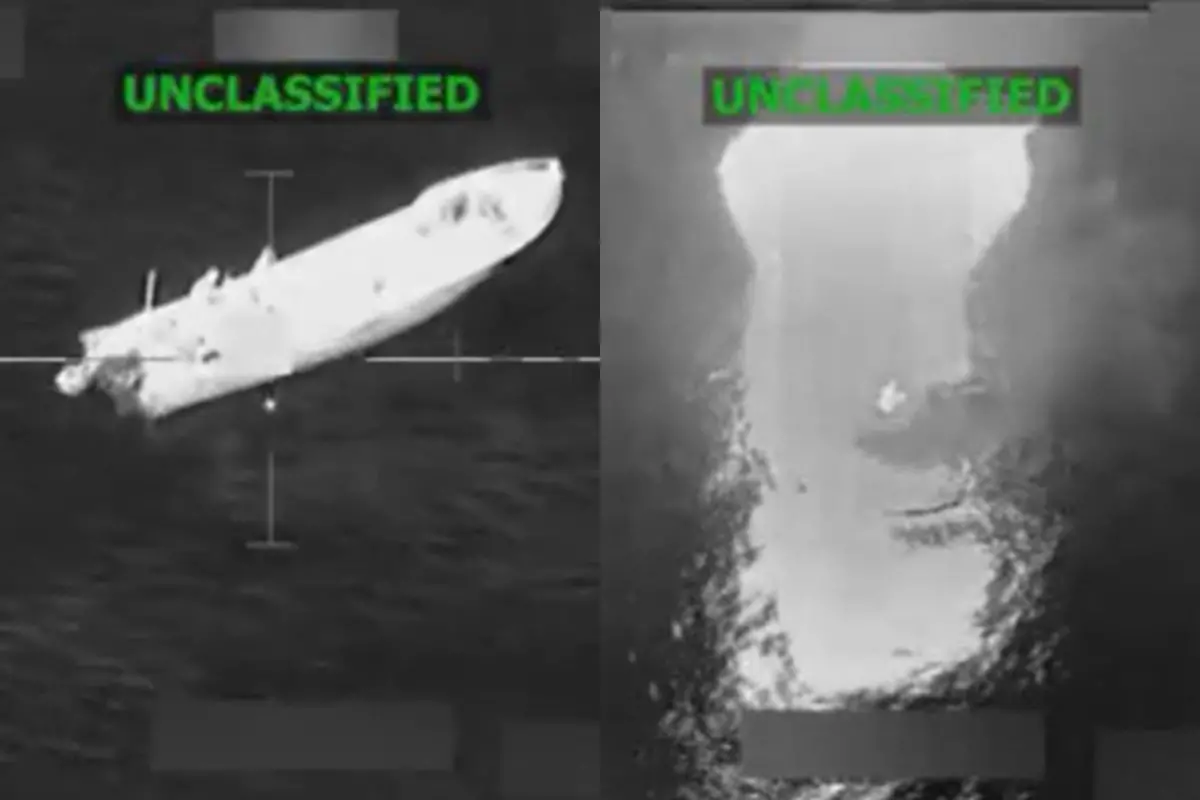
Washington: The Trump administration may have committed a war crime during a missile strike on an alleged drug-smuggling boat in the Caribbean last year, after reports revealed the Pentagon used a military aircraft disguised as a civilian plane to carry out the attack.
According to The New York Times, the Pentagon deployed an aircraft painted to resemble a civilian plane and carried its weapons inside the fuselage rather than under the wings during the September strike. Legal experts say the tactic could amount to perfidy, a war crime under international law that prohibits combatants from disguising themselves as civilians to carry out attacks.
Also read: Trump’s new 25% Iran trade tariff: What it means for India’s economy and bilateral trade
“Shielding your identity is an element of perfidy,” Retired Maj. Gen. Steven Lepper, a former judge advocate in the Air Force, told the Times. “If the aircraft flying above is not identifiable as a combatant aircraft, it should not be engaged in combatant activity.”
The September missile strike killed 11 people, including two individuals who survived the initial attack and were later killed in a follow-up strike while clinging to wreckage. Lawmakers briefed on the incident said footage showed the survivors waving at the aircraft before they were killed. Striking shipwrecked individuals is prohibited under international law.
The incident had already raised legal concerns after reports that Defence Secretary Pete Hegseth issued an order to “kill everybody” before the strike.
Also read: Two killed as US military carries out 30th strike on alleged drug boat in Pacific
Officials briefed on the operation said the disguised aircraft flew low enough for those on the boat to see it. The vessel reportedly turned back toward Venezuela after spotting the plane, before the first missile strike was launched. It remains unclear whether the survivors understood that their boat had been hit by a missile attack.
Legal specialists say the aircraft’s civilian appearance is significant because the administration has argued the boat strikes were lawful acts of war rather than criminal killings, citing President Trump’s determination that the United States is in an armed conflict with drug cartels. However, international law forbids combatants from feigning civilian status to lower an adversary’s guard before attacking.
Retired Maj. Gen. Steven J. Lepper, former deputy judge advocate general for the US Air Force, said that if the aircraft was painted to disguise its military nature and deceived those on the boat into not taking evasive action or surrendering, it would constitute a war crime under armed-conflict standards.
“Shielding your identity is an element of perfidy,” he said. “If the aircraft flying above is not identifiable as a combatant aircraft, it should not be engaged in combatant activity.”
Following the controversy, the military has reportedly switched to using recognisable military aircraft, including MQ-9 Reaper drones, for future boat strikes.