‘Strikes will resume at much higher intensity’: Donald Trump warns Iran
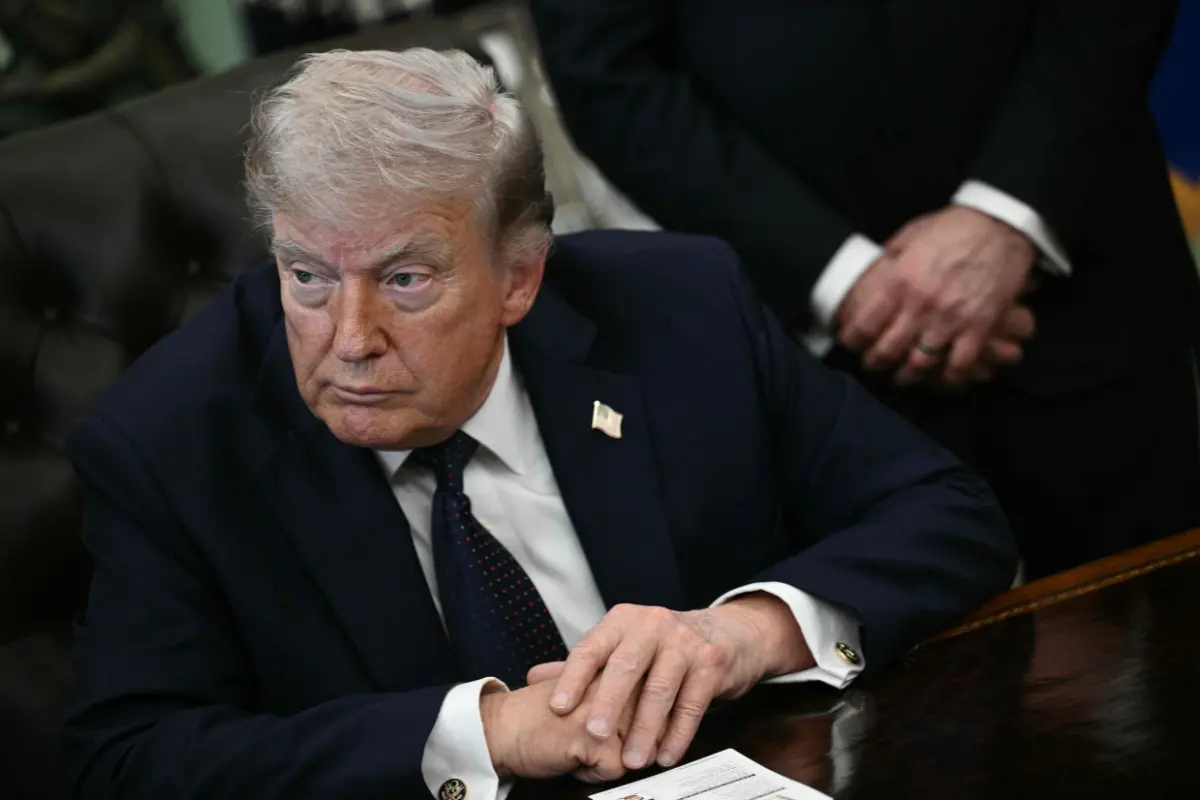
Washington: Donald Trump on Wednesday warned Iran of renewed and intensified military action if it fails to agree to a peace deal, even as diplomatic efforts appear to be gaining momentum after weeks of deadlock.
In a post on Truth Social, Trump signalled both optimism and caution, saying: "Assuming Iran agrees to give what has been agreed to... the already legendary Epic Fury will be at an end, and the highly effective Blockade will allow the Hormuz Strait to be OPEN TO ALL, including Iran."
However, he also issued a stark warning that if negotiations collapse, US strikes would resume "at a much higher level and intensity than it was before."
The US president’s remarks came after he announced a temporary pause in “Project Freedom,” a US-led effort in the Strait of Hormuz, to allow space for negotiations. "Project Freedom... will be paused for a short period of time to see whether or not the Agreement can be finalised and signed," he added.
Earlier, Trump had said that "Great Progress has been made toward a Complete and Final Agreement" with Tehran, though he did not elaborate on the details.
Iran responded cautiously, with foreign ministry spokesman Esmaeil Baqaei saying the "US plan and proposal are still under review," adding that Tehran would communicate its position to Pakistan after finalising its assessment.
Pakistan, which has been mediating the talks, expressed optimism. Prime Minister Shehbaz Sharif said Trump’s “courageous leadership and timely announcement” could pave the way for a deal. "We are very hopeful that the current momentum will lead to a lasting agreement that secures durable peace and stability for the region and beyond," he said.
According to reports, both sides are close to agreeing on a “one-page memorandum of understanding to end the war,” which could lead to reopening the strategically crucial Strait of Hormuz.
Meanwhile, diplomatic activity intensified as Iranian Foreign Minister Abbas Araghchi met China’s top diplomat Wang Yi in Beijing. Araghchi said the discussions reviewed “the negotiations that are currently underway” to end the war, later adding that Iran "looks forward to" Beijing “supporting the establishment of a new post-war regional framework that can balance development and security.”
Wang, in turn, called for an immediate end to hostilities and urged both sides to reopen the Strait of Hormuz “as soon as possible.”
On the ground, tensions remain high. Despite talk of de-escalation, recent days have seen missile and drone exchanges, with Washington accusing Tehran of threatening commercial shipping and Iran retaliating against US-linked targets.
US Defence Secretary Pete Hegseth said Washington was “not looking for a fight” but warned that any further attacks would trigger a “devastating response.”
In Israel, military chief Eyal Zamir said forces were “on high alert to return to a powerful and broad operation” against Iran if required.
Even as negotiations raise hopes of a breakthrough, uncertainty persists. One Tehran resident told AFP: "We've gone through so much hardship and suffering, and no achievements for people? I honestly just hope they finish this regime."