Stranded ships: What steps is India taking amid rising tensions in the Strait of Hormuz?
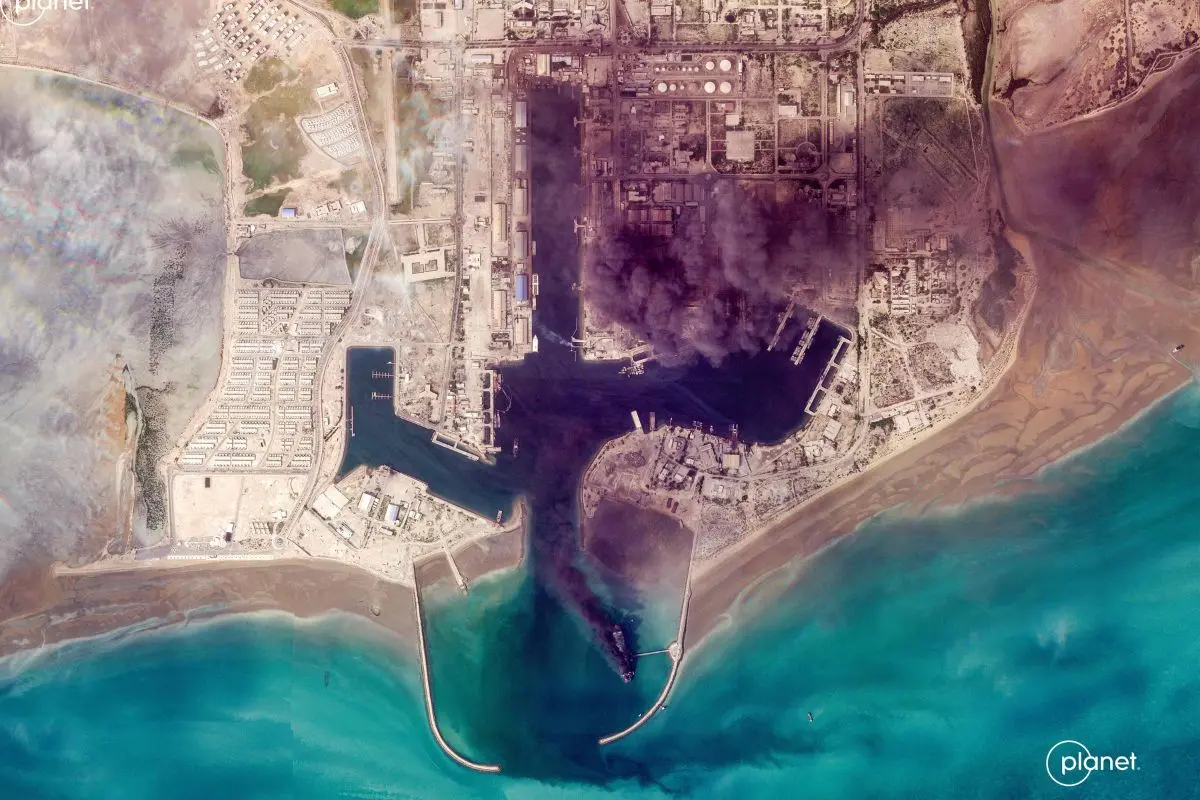
Over 35 Indian-flagged ships are unable to move near the Strait of Hormuz, a key shipping route. This waterway carries about a quarter of the world’s seaborne crude. Rising tensions between Iran and the US-Israel alliance have made the area risky for ships.
All vessels have enough food and supplies, but the situation has forced them to stay put until it is safe to travel.
How India is keeping track
India is considering sending Navy warships to escort its merchant ships through the danger zone. Although no final decision has been made, a dedicated crisis response group is reportedly tracking every ship's movement.
This group checks each ship every three hours, monitoring its location and crew safety. So far, no Indian ships have been boarded, detained, or involved in any accidents.
Safety rules for ships in the area
Indian ships operating in the Strait of Hormuz, Persian Gulf, and Gulf of Oman must now follow strict safety rules. Captains carry out live communication checks and practice drills for piracy, unauthorised boarding, and bomb threats.
Each ship sends daily digital reports to the Information Fusion Centre for the Indian Ocean Region. This helps the Navy respond quickly if a ship faces danger. In an emergency, crews are instructed to use VHF Channel 16 to contact the nearest Indian or coalition warship immediately.