Explosions reported near oil tanker in Strait of Hormuz amid deal negotiations
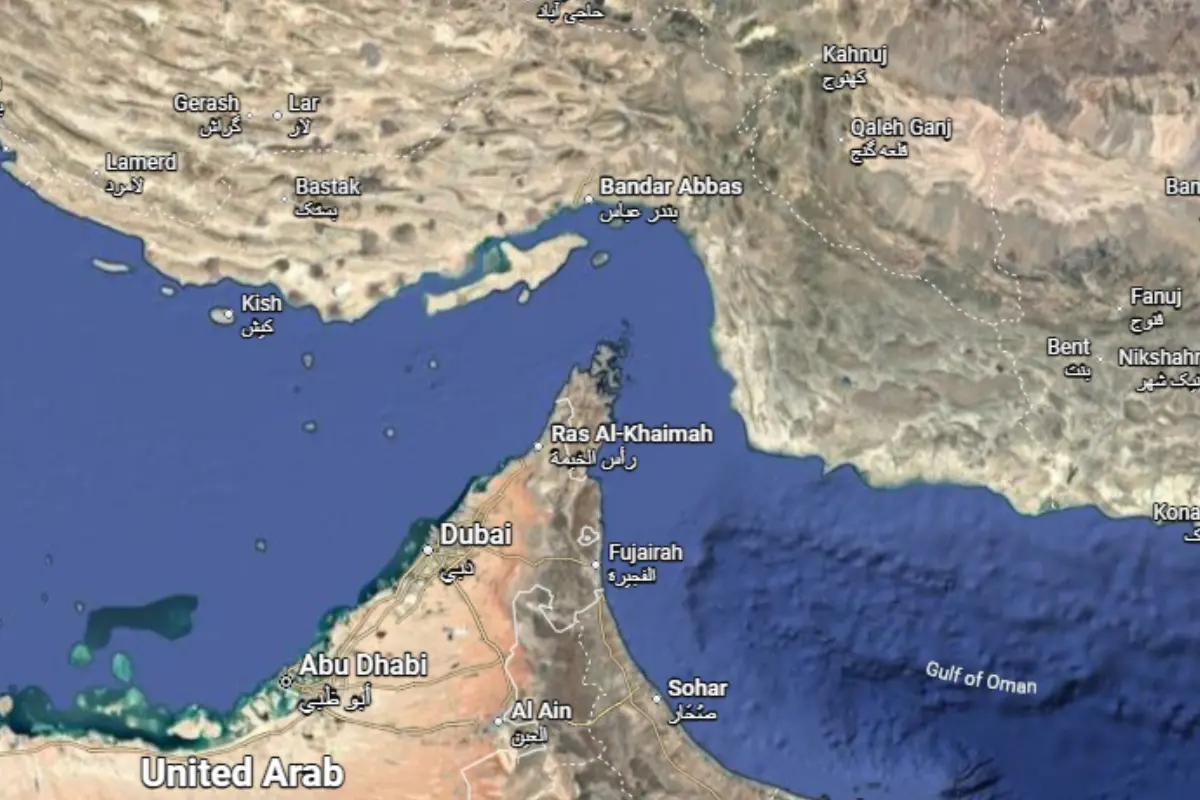
Dubai: A commercial oil tanker reported hearing two explosions while transiting the Strait of Hormuz on Thursday, the United Kingdom Maritime Trade Operations (UKMTO) said, as Iran and Oman continue negotiations on a proposed agreement to jointly manage the strategically vital waterway.
"The Master of a tanker has reported hearing two explosions whilst transiting in the Strait of Hormuz," UKMTO said on X.
According to the British maritime agency, the incident occurred about 10 miles (16 kilometres) southeast of Kumzar, Oman.
"The report confirms that crew and vessel are safe. No environmental damage has been reported," UKMTO added.
There was no immediate indication of what caused the explosions, and no group claimed responsibility.
The incident comes at a sensitive moment as Tehran and Muscat are finalising discussions on a draft agreement aimed at reopening and jointly managing the Strait of Hormuz following months of conflict that severely disrupted global shipping.
Iran said on Wednesday that the agreement with Oman is in the "final stage" of drafting and indicated a joint statement could be issued if negotiations are not derailed. U.S. President Donald Trump also suggested a breakthrough could come soon, saying an announcement could happen "Tomorrow or the next day" because "A lot of progress has been made."
According to regional officials familiar with the negotiations, the draft proposal is expected to serve as a temporary arrangement that could reopen the waterway and create conditions for renewed U.S.-Iran nuclear talks. However, significant differences remain over Iran's role in managing the strait, with Washington opposing any arrangement that would allow Tehran to charge transit or security fees.
The Strait of Hormuz remains one of the world's most important energy corridors, carrying roughly one-fifth of global oil and liquefied natural gas trade under normal conditions. Shipping through the passage has been severely disrupted since the outbreak of the regional conflict on February 28, when Iran asserted de facto control over the waterway and began enforcing authorised transit routes.