Strait of Hormuz reopening plan hits roadblock: Here's why Iran-Gulf talks were stalled
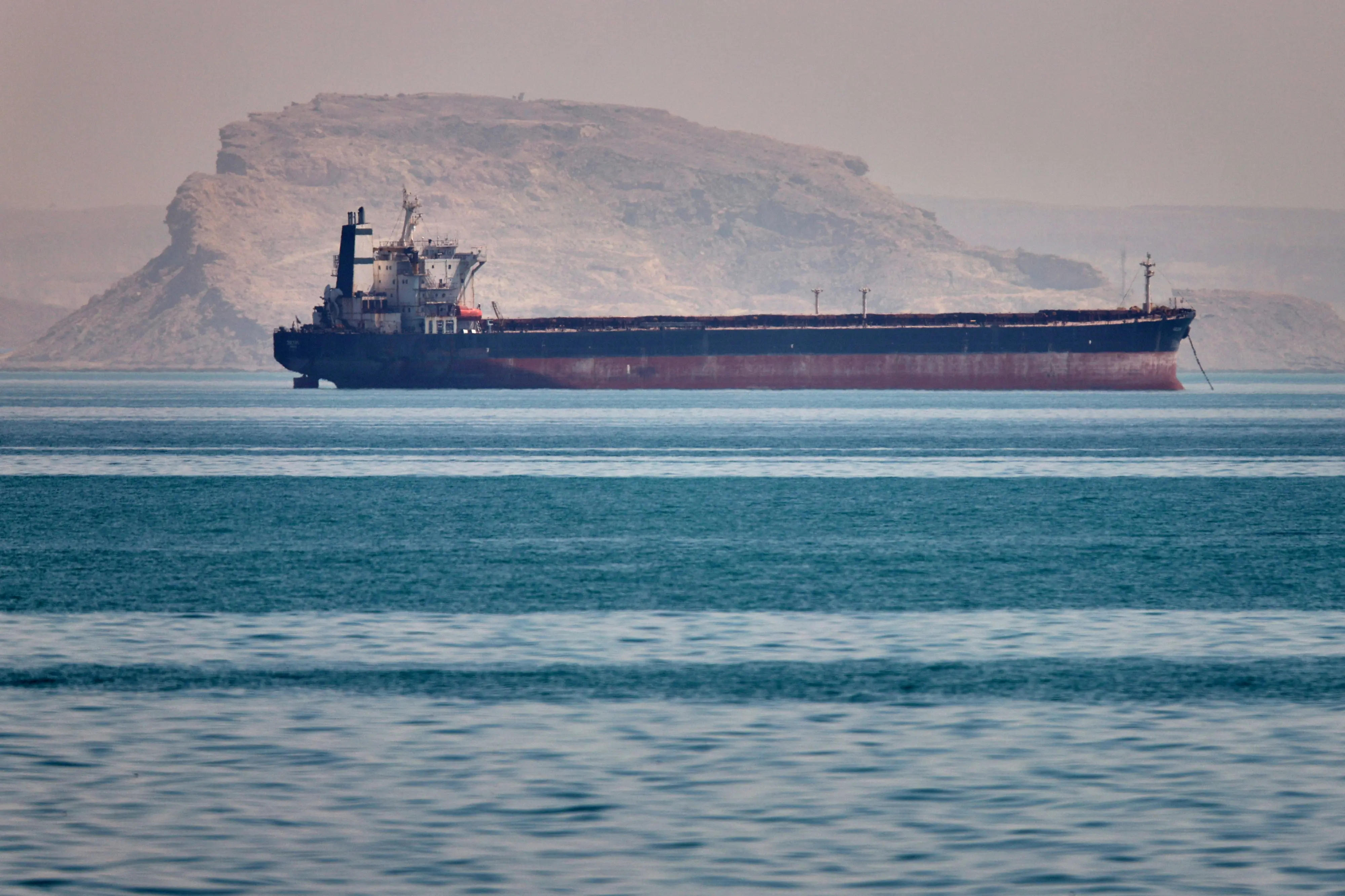
Crucial diplomatic talks between Iran and Persian Gulf nations scheduled for Monday in Salalah, Oman, have been postponed indefinitely. The meeting was arranged to negotiate a fresh plan for reopening the Strait of Hormuz to commercial shipping without direct American involvement. However, Omani Foreign Minister Badr Albusaidi indicated that the delay was necessary to build broader regional consensus. Iranian officials confirmed the decision was taken jointly with Muscat following requests from neighbouring countries.
Disagreements and regional hesitation halt progress
The gathering was considered a vital starting point to calm regional tensions and eventually pave the way for wider nuclear negotiations. Yet, deep disagreements quickly surfaced. Saudi Arabia submitted major alterations over fears that proposed shipping terms would create an unfavourable new status quo. Meanwhile, Bahrain declined to participate due to its lack of formal diplomatic relations with Tehran, leaving only Iraq publicly committed to attending. Although a regional diplomatic source noted that immediate breakthroughs were unlikely, establishing shipping rules remains the most urgent priority. Iran has sought transit fees for vessels passing through the waterway. European diplomats suggested that while compulsory tolls are unacceptable to Gulf states, voluntary safety contributions might allow both sides to save face.
Surging oil prices and rising military risks
The diplomatic setback coincides with mounting threats to global energy supplies, causing crude oil prices to jump past $100 a barrel. A key Saudi pipeline carrying oil across the kingdom remains shut following drone attacks, leaving export reserves at its Red Sea port limited to under a week. At the same time, fresh missile strikes inside the Strait of Hormuz damaged both commercial and Iranian vessels. Iranian Foreign Minister Abbas Araqchi clarified that the strategic waterway will remain closed until Washington meets Tehran’s demands. Conversely, United States officials insist that future negotiations must focus strictly on Iran’s nuclear programme rather than shipping routes. President Donald Trump stated on social media that the American administration prefers its current position, relying on naval escorts to maintain partial transit. For now, regional powers must decide whether to endure ongoing economic disruption or find new ways to engage with Tehran.