WSJ report: Saudi Crown Prince moves to fortified bunkers amid low interceptor supplies
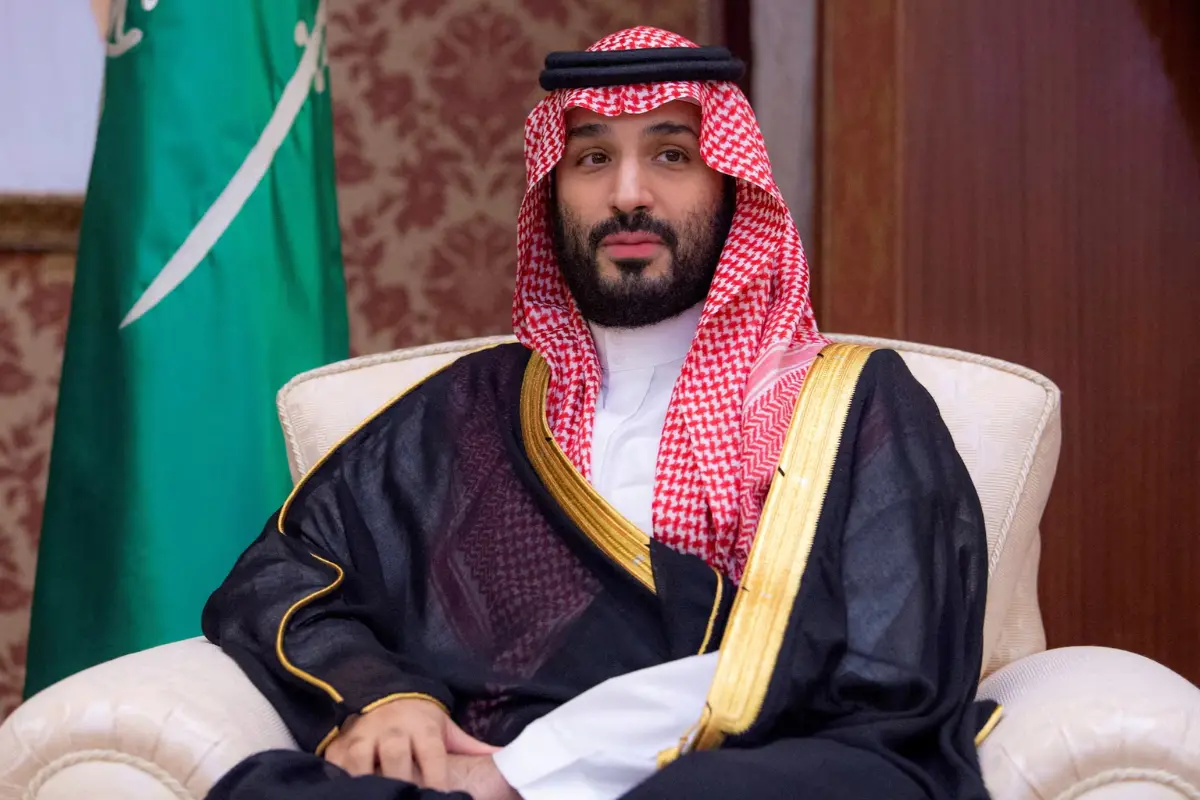
Riyadh: Saudi Crown Prince Mohammed bin Salman has reportedly moved between heavily fortified, bunker-equipped palaces across the kingdom as Houthi forces intensify their long-range missile and drone strikes targeting Riyadh. According to a detailed report by The Wall Street Journal, the 41-year-old leader has sharply tightened his personal security detail, operating alongside a specialised protection unit amidst escalating operational risks. The precautionary relocations come into effect with heightened security protocols intended to protect top leadership following a series of direct attacks on key infrastructure surrounding the Saudi capital.
Mounting Vulnerabilities and Dwindling Interceptors
The security measures follow severe cross-border bombardments that have brought unprecedented disruption to Riyadh. According to officials familiar with the matter cited by The Wall Street Journal, a ballistic missile strike targeted King Khalid International Airport, causing structural damage to passenger terminals, resulting in casualties, and forcing temporary flight suspensions. Crucially, the report highlighted that Saudi Arabia is facing a critical strain on its air-defence stockpiles, with interceptor missile supplies running low after months of continuous engagement against incoming threats from the Houthi forces. To compensate, military authorities have been forced to repeatedly reposition air-defence batteries between royal palaces and strategic energy assets.
ALSO READ: Riyadh airport attack kills 12, injures 309
Threat to Vision 2030 and Regional Stability
The escalating security crisis poses a direct threat to the Crown Prince’s ambitious Vision 2030 economic transformation program, which relies heavily on attracting foreign investment, mega-project construction, and international tourism. As falling debris and direct strikes hit public areas, corporate hubs, and critical oil transport corridors, such as the East-West pipeline, investor confidence faces growing strain. In response, Saudi Arabia has sought additional military and air-defence support from international partners, including the United States and Pakistan, while diplomatically assessing broader regional strategies to contain the conflict.