‘We are hopeful’: Rubio signals private US-Iran talks amid war tensions
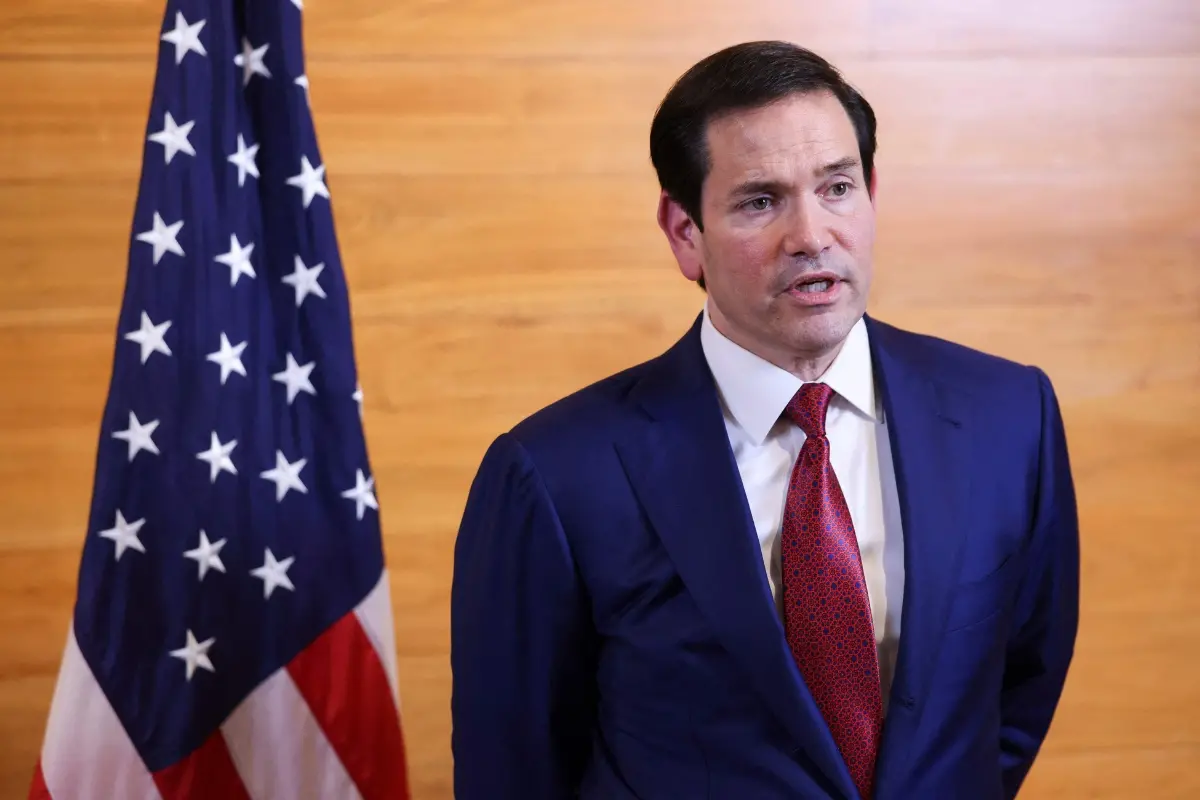
Washington, DC: US Secretary of State Marco Rubio on Monday indicated that private communications with elements inside the Iranian government offer a rare opening for negotiation, even as the war in Iran continues and regional tensions escalate.
"We are hopeful, that's the case," Rubio told the ABC News program "Good Morning America."
He described “fractures” within Iran’s leadership and suggested that some officials may have “power to deliver” on diplomatic overtures, a shift from earlier hard‑line postures.
Despite the Trump administration's claims that Iran’s nuclear ambitions were halted, Rubio maintained that Tehran’s apocalyptic leadership cannot be allowed to pursue such capabilities. He called parts of Iran’s ruling elite “lunatics” while also suggesting that not all voices in Tehran are rigid.
In a separate interview with Al Jazeera, Rubio confirmed that discussions have been “primarily through intermediaries” but noted them as unprecedented compared with past Iranian administrations.
Rubio acknowledged the difference between private and public Iranian statements, emphasising that Tehran’s official rhetoric doesn’t always mirror what negotiators privately signal, a tactic he describes as a mix of caution and strategic ambiguity.
"Obviously they're not going to put it out in press releases, and what they say to you or put out there for the world doesn't necessarily reflect what they're saying in our conversations," Rubio said in the ABC interview.
Escalation amid diplomacy hope
The remarks come amid a volatile context:
- Iran accuses the United States of planning a ground invasion while speaking publicly about talks to end the war.
- President Donald Trump has threatened to destroy critical Iranian oil infrastructure if negotiations collapse — notably mentioning Kharg Island, the nation’s major energy export hub.
- Global oil markets and economic stability remain under pressure as the conflict disrupts shipping through the Strait of Hormuz and sparks fears of prolonged energy supply shocks.
Meanwhile, international mediators and regional powers are pushing diplomatic efforts in venues, even as Iran rejects ground troop plans and vows to resist foreign invasion.