Nepal family fled 17 km after 2012 elephant attack, tusker returns 14 years later to strike again
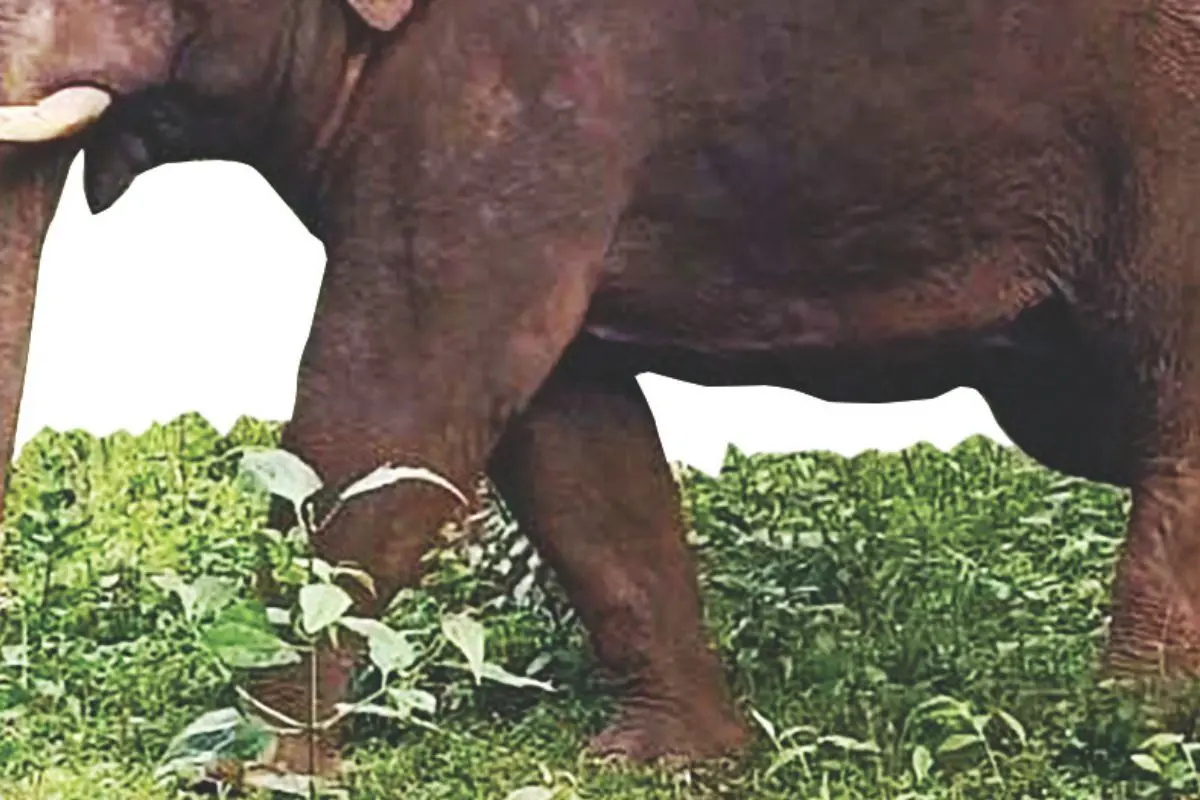
What began as a desperate attempt to escape a deadly elephant ended in fresh tragedy for a family in Nepal, 14 years after they believed they had left the danger behind.
A rogue elephant known as Dhurbe allegedly killed a 25-year-old woman and her four-year-old son after breaking into their home in Jagatpur on the night of July 4, according to a report by the Kathmandu Post.
The victims belonged to the same family that had already lost two members to the animal in 2012.
Following the earlier attack, in which Dhurbe trampled Budhiram Bote and his wife Jharali near Chitwan National Park, the family decided to leave their village.
They relocated about 17 kilometres away, crossing two rivers in the hope that the elephant would never reach them again.
However, those hopes were shattered when the tusker reportedly found its way to their new home more than a decade later.
Speaking to the Kathmandu Post, Shanichara Bote said the family had sold everything and moved because they lived in constant fear of the elephant.
He said they believed crossing the rivers would keep them safe, but the same animal returned and killed his daughter-in-law and young grandson.
According to the report, Bote's wife first heard loud banging on the walls of their mud house that night.
Moments later, the structure collapsed. As the young mother rushed outside carrying her child, the elephant attacked them.
Bote's wife managed to drive the animal away by setting dry thatch on fire, but the flames spread and destroyed the family's home.
Dhurbe has long been known to forest officials in the Chitwan region. The elephant reportedly killed its first human in 2010 and has since been linked to the deaths of 25 people, including four members of Bote's family.
Wildlife experts believe the elephant became unusually aggressive after being forced out of its herd by dominant males at a young age.
Living alone, it gradually began venturing into human settlements in search of food and developed a pattern of violent encounters.
Officials at Chitwan National Park have been monitoring Dhurbe using a satellite tracking collar. According to park authorities, tracking data placed the elephant near the site of the latest attack on the night of the incident.
The animal had earlier survived an operation to eliminate it after the 2012 killings, disappearing for several years before resurfacing in 2016.
It has since been fitted with tracking collars, although the devices transmit location updates only once every hour.