Indian-American Ro Khanna keeps 2028 US presidential bid open: ‘It’s a family decision’
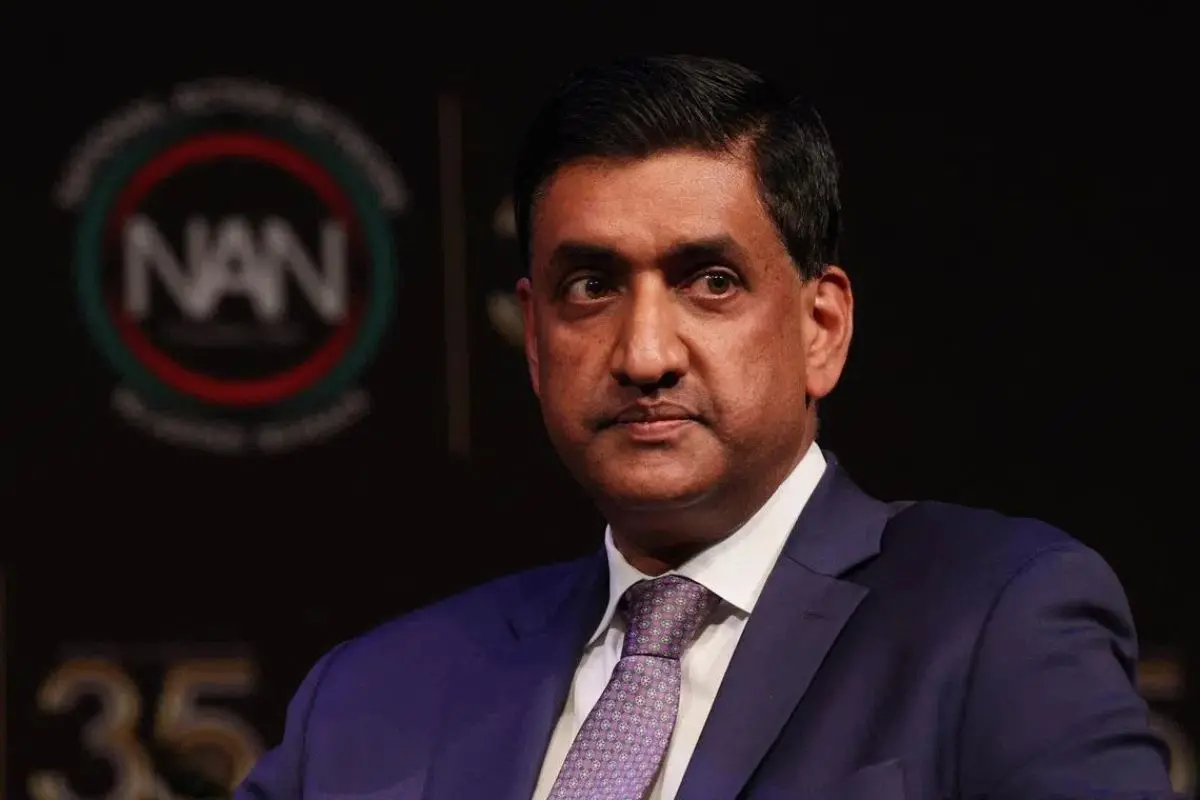
Indian-American Congressman Ro Khanna has left open the possibility of running for US president in 2028, saying a decision on a campaign would ultimately involve his family.
Khanna, a Democrat who represents a California district that includes part of Silicon Valley, was asked directly about his presidential ambitions by former Australian Prime Minister Kevin Rudd during a discussion at the Asia Society.
Rather than ruling out a campaign, Khanna said the decision was a personal one.
“It’s a family decision,” he said.
Khanna added that he expected a crowded Democratic field, saying about 20 Democrats were considering a run and that perhaps 10 or 12 could ultimately enter the race. Regardless of whether he runs himself or backs another candidate, he said he plans to remain closely involved in the debate over the country's future.
“I’m gonna be very involved in the conversation,” Khanna said.
Khanna outlines what he wants the 2028 debate to focus on
Much of Khanna's conversation with Rudd focused on the economic and political questions he believes will shape the next presidential election.
He said a national campaign would be difficult, particularly in a crowded field where most candidates would not ultimately win the nomination. But he argued that the 2028 election could become a broader debate over whether the United States embraces its diverse society or turns inward.
For Khanna, that debate would need to begin with the economy.
He said Democrats would need an economic programme that reaches communities that have lost industrial jobs. Before politicians appeal to broader national ideals, he argued, voters need to believe that they and their children have a viable economic future.
ALSO READ: ‘I am not done’: Kamala Harris leaves door open for 2028 Presidential run
Khanna connected that argument to the immigration debate. He said politicians had blamed immigrants for factory closures and economic failures, while arguing that a better approach would be to bring investment and jobs to communities that feel left behind by the changing economy.
Indian roots shape Khanna's political outlook
Khanna also spoke about his family's history in India and how it influenced his understanding of politics.
He said his grandfather was jailed by the British in the 1930s and 1940s for his involvement in Mahatma Gandhi's independence movement. That history, Khanna said, gave him an early understanding of politics as something capable of changing people's lives.
Born in Philadelphia to parents who had immigrated from India, Khanna became involved in politics as a student in Chicago. He recalled campaigning door-to-door for a state Senate candidate who later became President Barack Obama.
Khanna also described the advice he gives young people who ask how they can one day work for a president: find someone at school who might reach the White House 15 years later and support that person early.
AI, foreign policy and US-China relations also feature
The discussion with Rudd extended beyond the possibility of a presidential campaign, covering technology, artificial intelligence, immigration, US-China relations and American foreign policy.
Khanna called for economic opportunities across the United States and argued that workers should have a stronger role in decisions surrounding artificial intelligence.
He also said the US needed a foreign policy capable of rebuilding trust with other countries.
Khanna argued that America's strength partly comes from its ability to bring together people from different backgrounds and histories. At the same time, he said the case for a diverse democracy would be difficult to make without addressing economic insecurity in communities that were once centres of industrial employment.
The next US presidential election is scheduled for November 2028. Khanna's comments do not amount to a declaration of candidacy; he said the decision about whether to run would involve his family while making clear that he intends to remain part of the political debate leading into the election.
With IANS inputs