Rain helps quench wildfires in Southern California without major mudslides
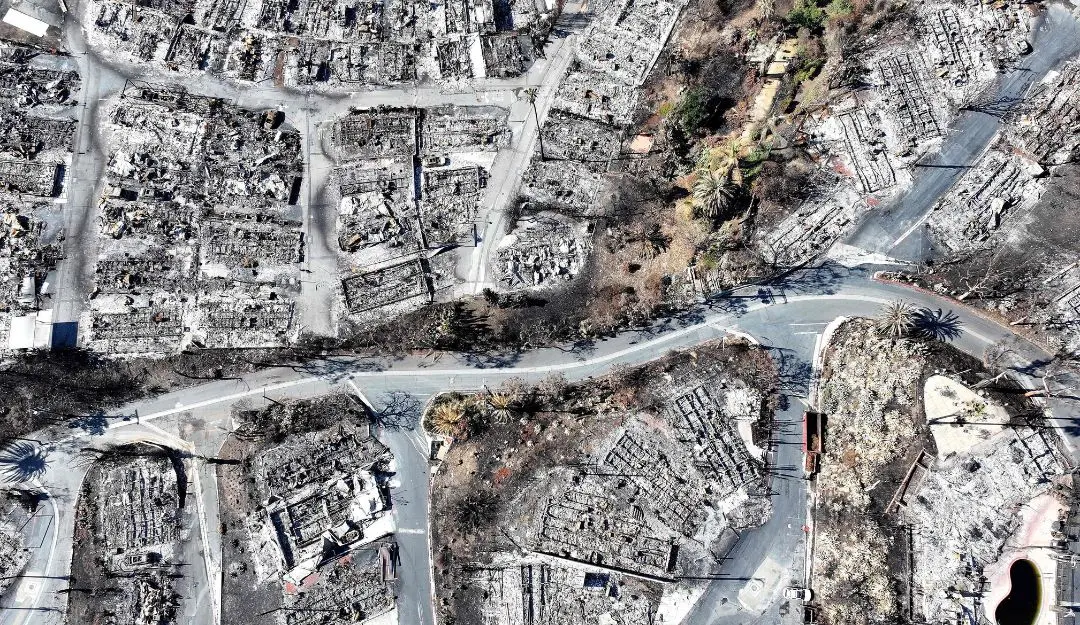
Los Angeles: Southern California experienced its first significant storm of the season over the weekend, bringing much-needed rain and snow that helped control wildfires but also led to some ash and mud flowing across streets.
The storm, which dropped over an inch (2.5 cm) of rain in several areas, assisted firefighters in battling blazes near the Pacific Palisades. Crews worked to clear waterlogged roads, including the famous Pacific Coast Highway.
In Malibu, four schools were closed on Monday due to hazardous road conditions, according to the Santa Monica-Malibu Unified School District.
While the storm clouds began to clear, flood watches remained in effect for areas scarred by recent fires, including parts of the Palisades, Altadena, and Castaic Lake. Meteorologist Joe Sirard from the National Weather Service warned that these fresh burn areas are especially vulnerable to rapid runoff: "All these fresh burns are very susceptible to rapid runoff."
Snowfall, icy roads cause disruptions
To the north of Los Angeles, snowy conditions late on Sunday led to the closure of the Tejon Pass section of Interstate 5, a key highway linking the state’s north and south. The pass, which rises to over 4,100 feet (1,250 metres), reopened by Monday afternoon.
Winter storm warnings were in place for mountains across San Bernardino and Riverside counties, with predictions of up to a foot (0.30 metres) of snow. Some vehicles were required to use chains in areas like Big Bear Lake due to icy conditions.
While the storm helped firefighters make progress, the situation in fire-affected areas remained critical. The Palisades Fire, which has devastated thousands of homes and caused at least 12 deaths, reached 94% containment on Monday. The Eaton Fire near Altadena was 98% contained, while the Hughes Fire, which prompted evacuations for over 50,000 people, was also nearly under control.
In San Diego County, the rain helped firefighters tackle the Border 2 Fire in the Otay Mountain Wilderness near the US-Mexico border, making significant strides in bringing the blaze under control.
Environmental cleanup, health precautions
Authorities in Los Angeles city and county have expedited cleanup efforts to address fire-related pollution. A White House statement on Friday confirmed that President Donald Trump directed federal officials to assist with debris removal. The Federal Emergency Management Agency (FEMA) and other agencies were tasked with creating a plan to speed up the process.
Officials urged residents to wear protective gear while cleaning up, as ash in the burn zones contains toxic materials like pesticides, asbestos, and lead from incinerated household items and electronics.
The storm brought some relief to Southern California, which had been experiencing near-record dry conditions. According to the U.S. Drought Monitor, most of the region remains in "extreme drought" or "severe drought," making the rain a crucial respite from the ongoing water shortages.
Concerns about post-fire mudslides remain high, especially after the deadly 2018 mudslides in Montecito, where rain over burned areas caused severe damage and loss of life. Authorities are continuing to monitor flood risks as the region recovers from the devastating fires.
Agency