Pakistan’s PIA in chaos: Engineers’ strike halts flights amid economic meltdown
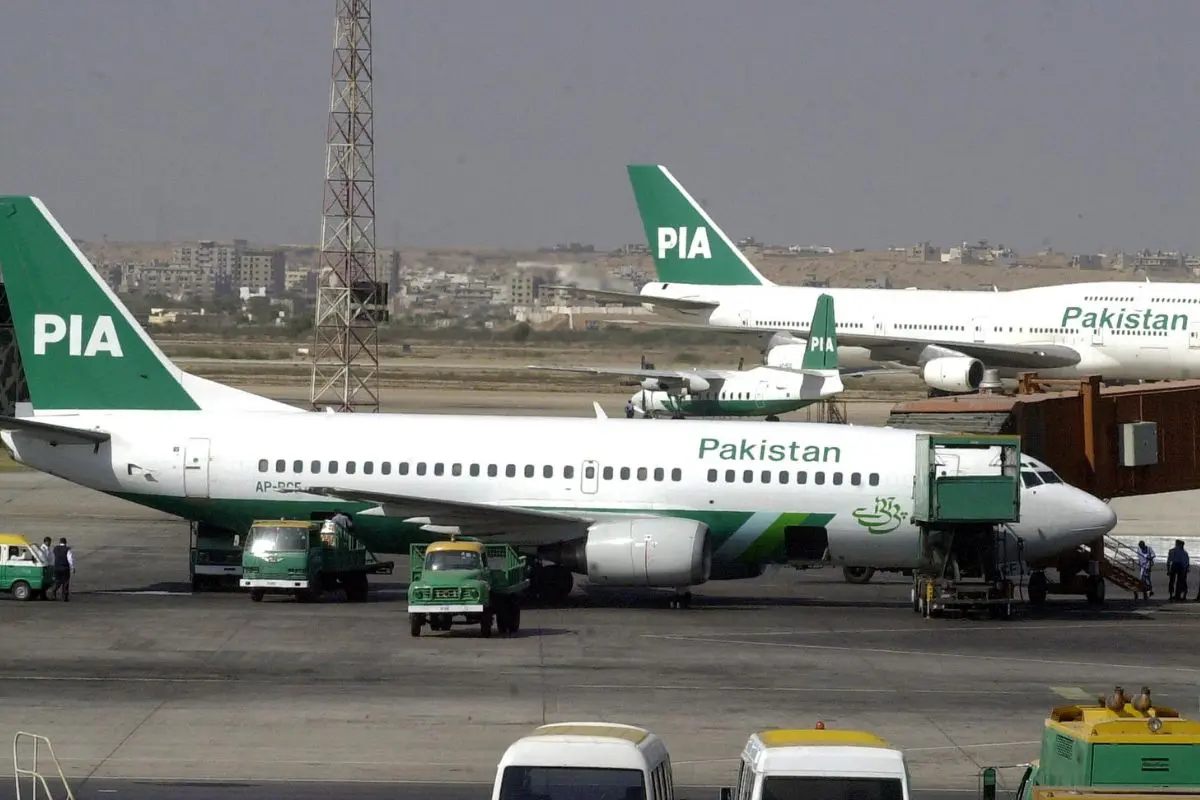
Islamabad: Pakistan International Airlines (PIA) operations were fully suspended after aircraft engineers stopped issuing airworthiness certificates, effectively grounding the national carrier. The strike, referred to as a “chakka jam” by Pakistani media, revealed long-standing operational and financial challenges at PIA and underscored weaknesses in national institutions.
The Society of Aircraft Engineers of Pakistan (SAEP) cited unpaid salaries for eight years, inadequate maintenance resources, and compromised safety procedures as reasons for halting flight certifications. SAEP stressed that it is a regulatory obligation rather than a strike, stating, “Passenger safety will not be sacrificed under any circumstances.”
PIA management dismissed the claims as illegal under the Pakistan Essential Services (Maintenance) Act, 1952, warning of strict action against employees and suggesting the disruption aimed to interfere with ongoing privatisation efforts. The airline said it was seeking technical assistance from other carriers to restore operations.
Multiple international flights, including routes from Lahore to Medina and Karachi to Jeddah, were delayed or cancelled. Passengers, including Umrah pilgrims, faced uncertainty amid limited information on schedules. Previously resumed flights to the UK and Toronto were also affected, reflecting persistent operational difficulties.
Analysts link the crisis to Pakistan’s broader economic instability. Rising taxes, inflation, shrinking private-sector growth, and capital flight are forcing skilled professionals and local entrepreneurs to relocate abroad. Multinational companies are reportedly leaving Pakistan, while citizens face declining incomes and rising costs of living.
The grounding highlights PIA’s long-term challenges: growing debts, an ageing fleet, management conflicts, and safety concerns, all compounded by the country’s worsening economic conditions.
The engineers’ protest signals deeper structural issues within Pakistan International Airlines. The airline’s technical staff have repeatedly appealed for salary revisions, but unresolved disputes have now escalated into operational shutdowns. The strike also brings attention to PIA’s ageing aircraft fleet, which has previously caused flight suspensions, including the Toronto service earlier in 2025.
Safety concerns were central to the engineers’ decision, citing inadequate maintenance support and procedural lapses. SAEP emphasised that certifying aircraft under such conditions would endanger passenger lives. Meanwhile, PIA management has characterised the strike as an attempt to hinder privatisation and claimed that legal measures may be taken against the engineers.
The impact extends beyond PIA, affecting Pakistan’s aviation reputation, international travel schedules, and public confidence. The crisis highlights systemic vulnerabilities in the country’s institutions and public-sector management, raising questions about long-term sustainability in aviation and wider economic governance.