No money at home, millions for lobbyists? Pakistan's US gamble explained
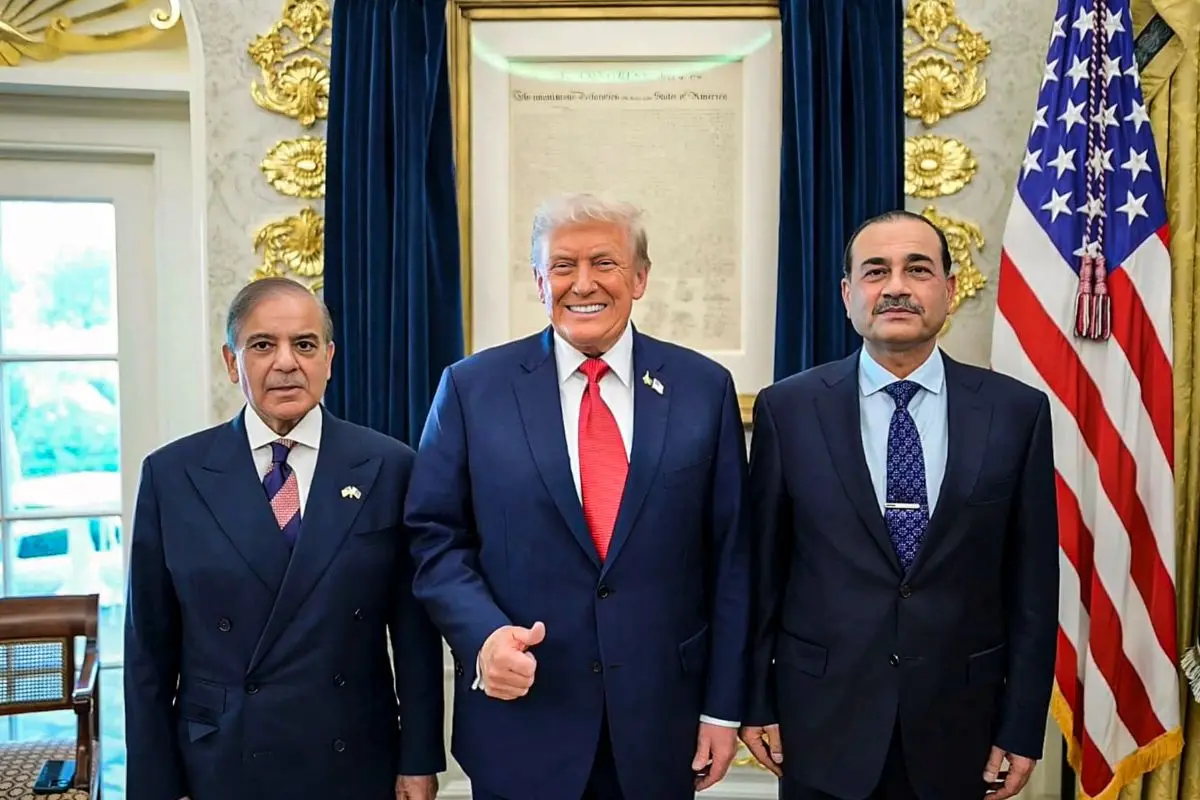
Pakistan's reported decision to spend millions of dollars on lobbying efforts in the United States has drawn attention because it comes at a time when the country is facing significant economic pressures at home.
Public filings made under the US Foreign Agents Registration Act (FARA) suggest that Islamabad is spending approximately $900,000 every month on lobbying contracts, taking its estimated annual expenditure to between $10 million and $12 million.
The disclosures have reignited debate over Pakistan's foreign policy priorities, particularly as the country continues to depend on financial assistance from international institutions and friendly nations to manage its economic challenges.
Why is Pakistan lobbying in Washington?
Lobbying is a common practice in Washington, where foreign governments, corporations and interest groups hire professional firms to engage with lawmakers, government agencies, think tanks and media organisations.
According to the latest filings, Pakistan has hired multiple lobbying and public affairs firms to improve its diplomatic outreach, strengthen security cooperation, expand trade opportunities and maintain strategic engagement with the United States.
One of the latest agreements involves a two-year contract with a lobbying firm led by former Republican Congressman Tom Graves. Under the arrangement, Pakistan will pay $50,000 per month for assistance in engaging policymakers, congressional offices and strategic stakeholders in Washington.
The broader objective is to ensure that Pakistan's interests remain visible within the US policy establishment at a time when geopolitical developments in South Asia, the Middle East and Afghanistan continue to shape regional security discussions.
What will the lobbying firms do?
The lobbying firms have been tasked with a wide range of responsibilities, including:
Arranging meetings with members of the US Congress and their staff.
Engaging officials from executive branch agencies.
Building relationships with think tanks and policy experts.
Increasing Pakistan's visibility in major US media outlets.
Monitoring developments related to sanctions, security assistance and human rights issues.
Promoting Pakistan's economic and strategic interests.
Supporting participation in congressional caucuses focused on Pakistan.
The contracts also reportedly include organising policy discussions, diplomatic receptions and high-level meetings involving Pakistani officials and American policymakers.
Pakistan's economic situation
The lobbying expenditure has attracted scrutiny because Pakistan continues to face serious economic difficulties.
The country remains heavily dependent on support from the International Monetary Fund and other international lenders. Despite receiving bailout packages in recent years, Pakistan continues to struggle with:
- High public debt levels.
- Persistent inflation.
- Foreign exchange shortages.
- Fiscal deficits.
- Slow economic growth.
- Rising energy costs.
Economic pressures have intensified following recent increases in fuel and LPG prices, which have affected transportation costs, businesses and household budgets across the country.
Analysts have also pointed to Pakistan's continued reliance on financial support from multilateral institutions and friendly nations to stabilise its economy and meet external payment obligations.
Geopolitical considerations
Supporters of the lobbying campaign argue that maintaining influence in Washington is strategically important for Pakistan.
The United States remains one of the world's most influential political and economic powers, and decisions made in Washington can affect foreign aid, defence cooperation, trade arrangements and international financial institutions.
Pakistan's lobbying strategy appears to focus on reinforcing its image as a partner in counter-terrorism efforts, regional stability and security cooperation. The country is also seeking to preserve its strategic relevance amid changing geopolitical dynamics in South Asia and the broader Indo-Pacific region.
Questions raised by critics
Critics, however, argue that the scale of spending raises legitimate questions about priorities.
They point out that millions of dollars are being allocated to foreign lobbying efforts while ordinary Pakistanis continue to face economic hardships linked to inflation, unemployment and rising living costs.
Some observers have suggested that resources devoted to influence campaigns could instead be directed towards economic reforms, infrastructure development, social welfare programmes or measures aimed at strengthening domestic economic resilience.
Others note that lobbying itself is not unusual and that many countries, including close US allies, routinely hire Washington-based firms to represent their interests.
What the FARA filings reveal
The FARA disclosures provide a rare glimpse into how foreign governments attempt to shape policy discussions in Washington.
The documents indicate that Pakistan's lobbying network became particularly active during periods of heightened regional tensions and major diplomatic developments. They also show sustained efforts to engage lawmakers, government departments, policy institutes and media organisations to ensure Pakistan's perspectives are heard within influential policy circles.
While lobbying expenditures alone do not guarantee political influence, they highlight the importance Islamabad places on maintaining access to decision-makers in Washington.
The bigger picture
The debate surrounding Pakistan's lobbying expenditure reflects a broader challenge facing many developing countries: balancing domestic economic needs with international diplomatic objectives.
For Pakistan, the issue is especially sensitive because of its continuing dependence on external financial support and ongoing economic vulnerabilities. Supporters view lobbying as a necessary investment in foreign policy, while critics see it as an expensive exercise during a period of financial strain.
As Pakistan continues to navigate economic difficulties, relations with major powers and international institutions are likely to remain central to its strategy, making lobbying efforts in Washington an important — and controversial — part of its diplomatic playbook.