'No substitute to peace': India demands Gaza ceasefire, end to suffering | WATCH
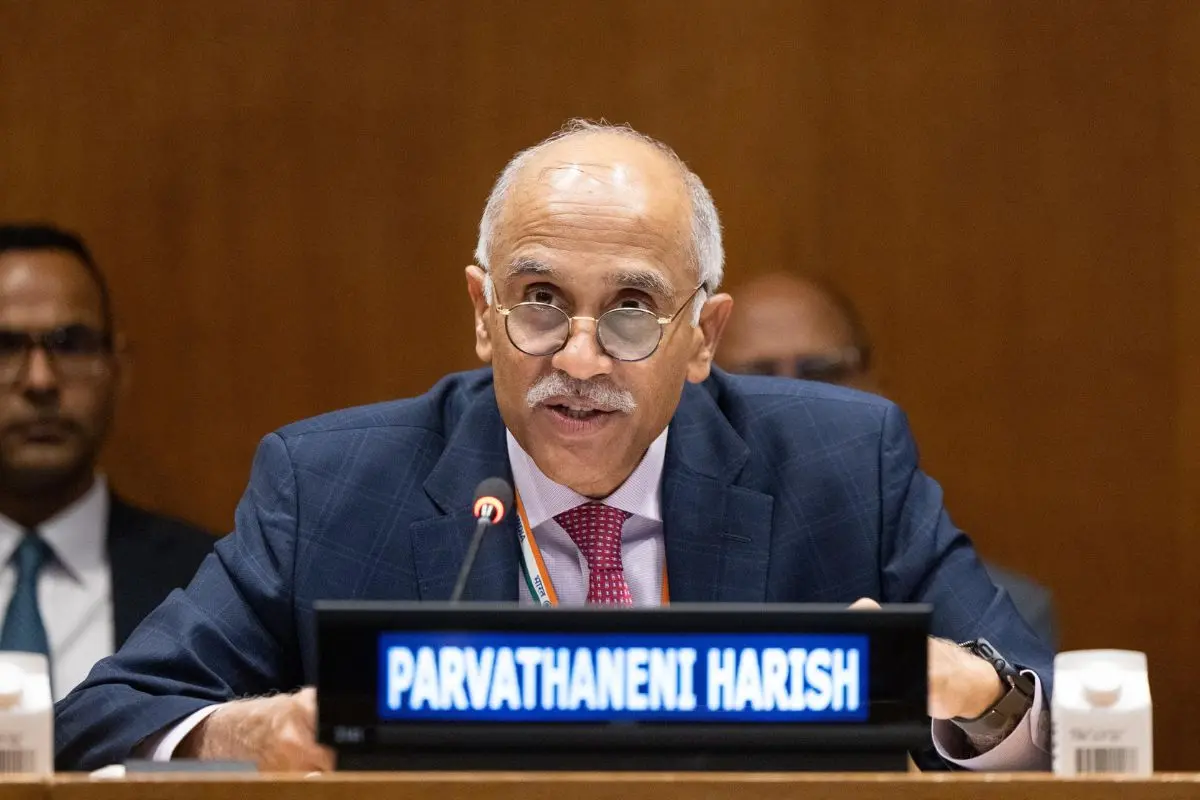
United Nations: India has voiced strong concern over the protracted humanitarian crisis in Gaza, asserting that "intermittent pauses in hostilities" are inadequate to address the immense challenges faced by the region's population. Addressing an open debate at the UN Security Council on Wednesday, India's Permanent Representative to the UN, Ambassador Parvathaneni Harish, stressed that a comprehensive ceasefire is imperative.
Harish highlighted the dire humanitarian situation, noting the acute shortages of food and fuel, insufficient medical services, and lack of access to education. He cited alarming statistics, including the World Health Organisation's estimate that around 95 per cent of Gaza's hospitals are damaged or destroyed, and reports from the Office of the High Commissioner for Human Rights indicating that over 650,000 children have been out of school for more than 20 months.
India underscored its consistent position that ongoing human suffering must cease, advocating for safe, sustained, and timely humanitarian assistance. Harish emphasised that "there is no substitute to peace," reiterating the demand for a ceasefire and the immediate release of all hostages. He affirmed that "dialogue and diplomacy remain the only viable paths" to resolving the conflict.
Reaffirming India's historic and strong ties with Palestine, Harish reiterated India's unwavering commitment to the Palestinian cause, recalling its status as the first non-Arab nation to recognise the State of Palestine. He expressed hope that the upcoming High-Level International Conference on the implementation of a two-State solution (scheduled for July 28-30) would pave the way for "concrete steps" towards achieving a lasting resolution. India stressed its readiness to contribute to efforts aimed at shaping a political horizon that restores hope for Palestinians and secures sustained peace in the Middle East.
This stance was echoed by UN Secretary-General Antonio Guterres and General Assembly President Philemon Yang, who both stressed the critical importance of keeping the two-State solution alive as the only acceptable path forward, rejecting alternatives that would deny Palestinians their rights. India reiterated its belief that enduring peace hinges on a two-State solution, establishing a sovereign, viable, and independent State of Palestine within recognised and mutually agreed borders, coexisting peacefully with Israel. India's commitment is also manifest through the implementation of projects valued at over USD 40 million aimed at making a "tangible impact" on the daily lives of Palestinians.
With inputs from PTI