Nepal’s ex-chief justice Sushila Karki likely to become interim PM amid unrest
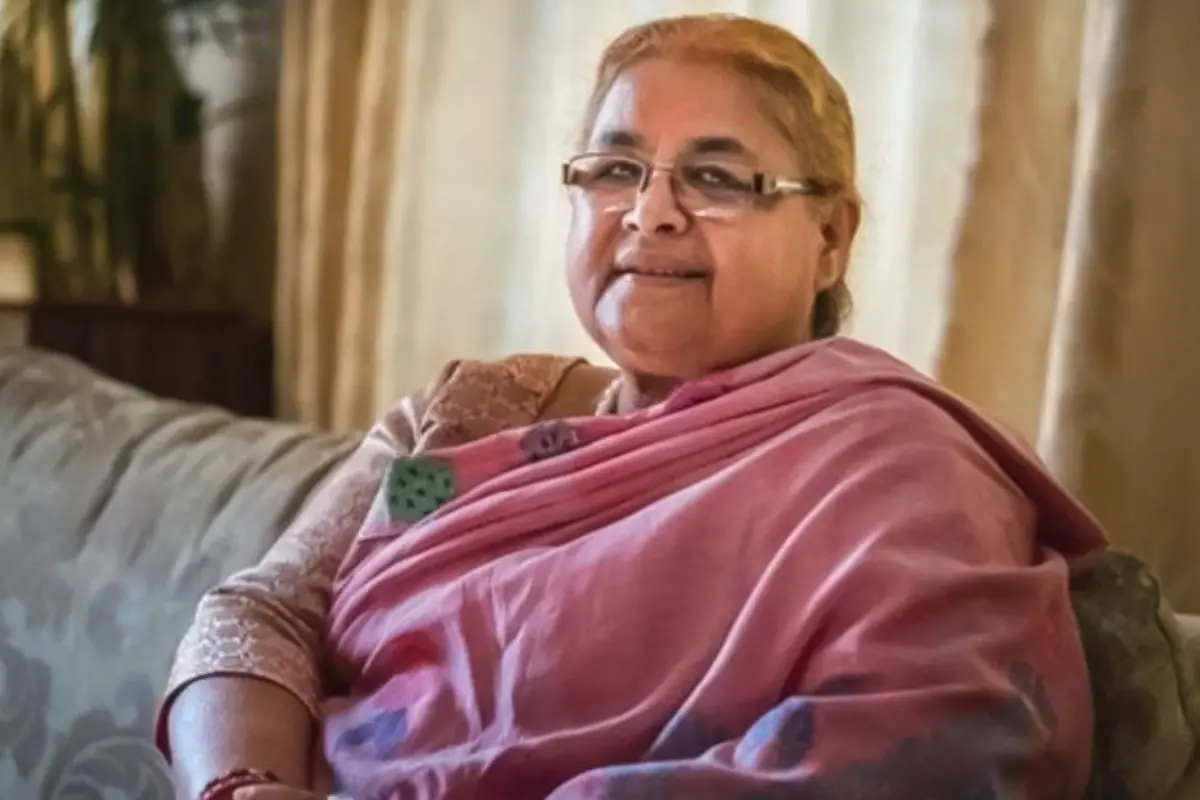
Kathmandu: Nepal’s first female chief justice, Sushila Karki, is poised to take over as interim prime minister after massive Gen Z-led protests forced the resignation of KP Sharma Oli, sources told Reuters.
Karki, who was controversially removed from office in 2017 by then–Prime Minister Pushpa Kamal Dahal ‘Prachanda’ and a majority of lawmakers just months before her retirement, has emerged as the youth protesters’ top choice for the country’s leadership.
“She will be appointed interim prime minister. They (Gen Z) want her. This will happen today,” a constitutional expert consulted by President Ramchandra Paudel and army chief Ashok Raj Sigdel reportedly said. A final decision is expected after a meeting at the president’s residence scheduled for 9 am (3:15 GMT).
Karki’s name surfaced after protesters sought recommendations from the Supreme Court Bar Association. In a four-hour virtual vote, she outpolled Kathmandu mayor Balen Shah, another prominent contender for the post.
Who is Sushila Karki?
Born on June 7, 1952, in Biratnagar, Morang district, Karki became Nepal’s first woman chief justice. She graduated from Mahendra Morang College, holds a Master’s in Political Science from Banaras Hindu University (BHU) in India, and later studied law at Tribhuvan University.
Reflecting on her time at BHU in a recent interview, Karki said she still cherishes the memory of her teachers, friends, and even her hostel by the Ganga river.
Background of Protests
The Gen Z-driven agitation erupted on Monday after the government imposed — and later revoked — a controversial ban on social media. The protests, however, quickly escalated into a broader anti-government movement. At least 31 people have been killed and over 1,000 injured, with protesters torching government buildings and lawmakers’ residences, eventually forcing Oli to step down.