Nepal Home Minister Ramesh Lekhak resigns following violent protests in Kathmandu, cites moral grounds
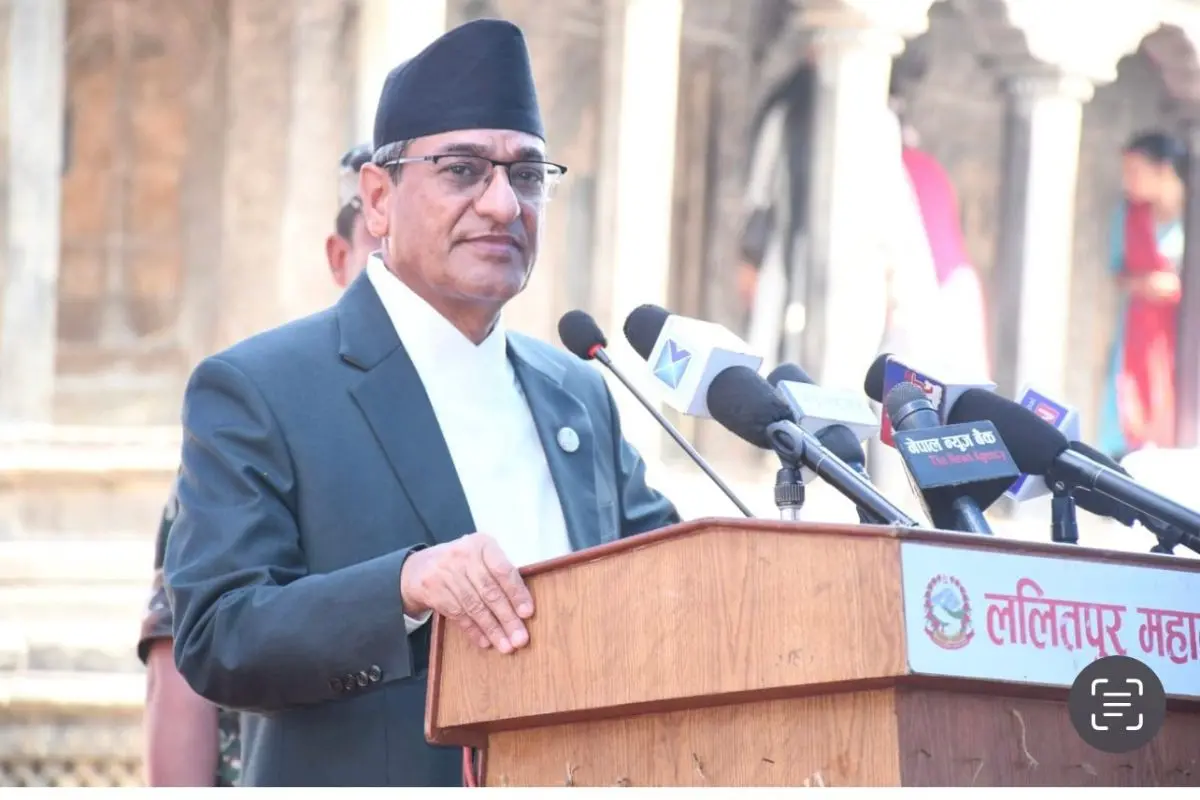
Kathmandu (Nepal): Nepal’s Home Minister Ramesh Lekhak resigned on Monday evening amid mounting political pressure after a day of violent youth-led protests left 19 people dead and more than 400 injured across the country.
Lekhak submitted his resignation to Prime Minister KP Sharma Oli during a Cabinet meeting at the prime minister’s residence in Baluwatar, according to officials present. A minister said he stepped down on “moral grounds” following the deadly crackdown.
Earlier, Nepali Congress General Secretaries Gagan Thapa and Bishwa Prakash Sharma had publicly demanded Lekhak’s resignation during a party meeting. Congress President Sher Bahadur Deuba remained silent, but Lekhak informed party leaders of his decision before heading to the Cabinet meeting. Lekhak had been appointed Home Minister on July 15, 2024.
Death toll and growing unrest
The Ministry of Health and Population confirmed that 19 protestors, including a 12-year-old child, were killed when police opened fire on demonstrators in Kathmandu and Itahari on Monday. Seventeen of the deaths were reported in the capital, and two others occurred in Sunsari District’s Itahari city.
Eight victims died at the National Trauma Center, three each at Everest and Civil hospitals, one at Tribhuvan University Teaching Hospital and two at Kathmandu Medical College, according to official figures.
The protests, driven by Gen Z activists, began as calls for accountability and reform and escalated sharply when security forces deployed water cannons, tear gas and live ammunition. Demonstrators marched from Maitighar to New Baneshwar, attempting to enter parliament and setting its entrance ablaze. Shots were fired from inside the building as the crowds surged.
“First of all, my college is right near the site from where the protest started. As I was going out, I saw a lot of people protesting. As an individual, as a Nepali citizen, something compelled me, and along with my friends, I joined the protest. Before coming, I felt like I had become a different person in a different sense after witnessing what was happening. It saddens me to see how the people we are protesting against do not care about us,” a protestor told ANI.
“We are here to protest against corruption and the social media ban. People are dying in the streets; I have seen more than 15 people shot dead. There are not enough ambulances, and hospitals are running out of resources. The government does not care about us; they are killing children, students in school uniforms with ID cards. This government does not care about us,” another demonstrator said.
The National Human Rights Commission described the use of excessive force by security personnel and acts of vandalism by some protestors as “regrettable” and urged authorities to exercise restraint, provide relief and compensation to victims’ families, ensure free treatment for the injured and conduct an impartial investigation.
The deaths marked the highest single-day toll from police action since the 2006 uprising that ended Nepal’s centuries-old monarchy and transformed the Himalayan nation into a democratic republic.
Security tightened in India’s border states
Authorities in India have stepped up security in several Uttar Pradesh districts bordering Nepal amid fears of spillover violence. In Balrampur, Superintendent of Police Vikas Kumar said intelligence agencies have been instructed to maintain strict surveillance and tighten security along the frontier.
(With inputs from ANI, PTI)