Fuel crisis forces Nepal to adopt Saturday-Sunday weekend as prices surge
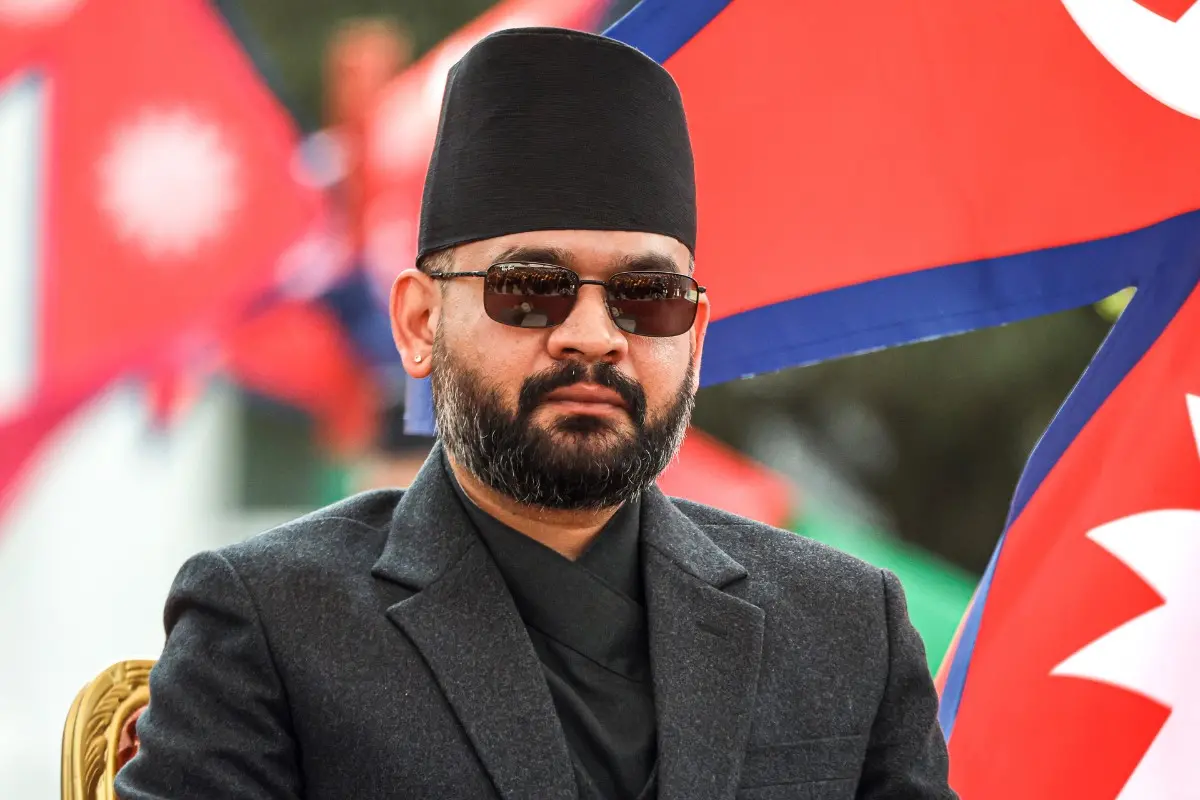
Kathmandu: The Government of Nepal on Sunday approved a two-day public holiday system, designating Saturday and Sunday as non-working days, in response to a worsening fuel crisis. The move comes as disruptions in global energy supply, linked to conflict in West Asia and the near shutdown of the Strait of Hormuz, continue to impact petroleum availability.
Cabinet decision and implementation
The decision was finalised during a Cabinet meeting held at the Prime Minister’s Office in Kathmandu.
Government spokesperson Sasmit Pokharel said the revised weekend structure will come into effect from April 6. Government offices and educational institutions will observe the new schedule to ease pressure on fuel consumption and improve petroleum supply management.
He added that while educational institutions will remain closed on Sundays, government offices will operate from 9 am to 5 pm on working days.
Fuel supply disruptions behind the move
Pokharel explained that the inclusion of Sunday as a public holiday was prompted by continued disruptions in fuel supply. The government has cited uncertainty in petroleum availability as a direct consequence of the escalating conflict in West Asia.
Push towards electric vehicles
Alongside the new weekend policy, the Cabinet has decided to develop a legal framework to facilitate the conversion of petrol and diesel vehicles into electric vehicles.
According to the spokesperson, this initiative is aimed at reducing dependence on fossil fuels and addressing potential shortages, while also supporting Nepal’s transition towards cleaner and more sustainable transport options.
Conflict impact on energy supply
The ongoing conflict involving Iran, Israel and the United States has disrupted global petroleum supply chains. This has led to shortages and a steep increase in fuel prices within Nepal.
Fuel prices hit record highs
Fuel prices in Nepal have reached unprecedented levels. The latest revision by the state-run Nepal Oil Corporation has pushed petrol prices in the Kathmandu Valley to NPR 202 per litre. Diesel and kerosene are now priced at NPR 182 per litre.
The increase follows a decision by the NOC’s board of directors last week, which approved a hike of NPR 15 per litre for petrol, diesel and kerosene. This marks the third increase within just 18 days, after earlier revisions on March 15 and March 25.
The current prices have exceeded the previous peak recorded in June 2022, when petrol reached NPR 199 per litre and diesel stood at NPR 192 per litre. After periods of fluctuation, prices had fallen to NPR 156 per litre for petrol and NPR 137 per litre for diesel in January 2026.
While earlier spikes were seen during the Russia-Ukraine War, the present surge represents a new high.
In the past 18 days alone, petrol prices have increased by NPR 45 per litre, while diesel and kerosene have risen by NPR 40 per litre.
Aviation fuel has also seen a steep jump. For domestic flights, prices have surged by NPR 124 per litre, rising from NPR 127 to NPR 251 per litre. For international flights in Kathmandu, aviation fuel now costs USD 819 per kilolitre.
Mounting losses for Nepal oil corporation
Despite the price hikes, Nepal Oil Corporation continues to incur heavy losses. It reports a loss of NPR 34.36 per litre on petrol, NPR 120.54 per litre on diesel, and NPR 416.37 per LPG cylinder.
The corporation estimates its losses at NPR 11.71 billion every fortnight. Officials indicate that prices may increase further depending on trends in the international market.
ANI inputs