Can the Strait of Hormuz be reopened? NATO weighs options amid crisis
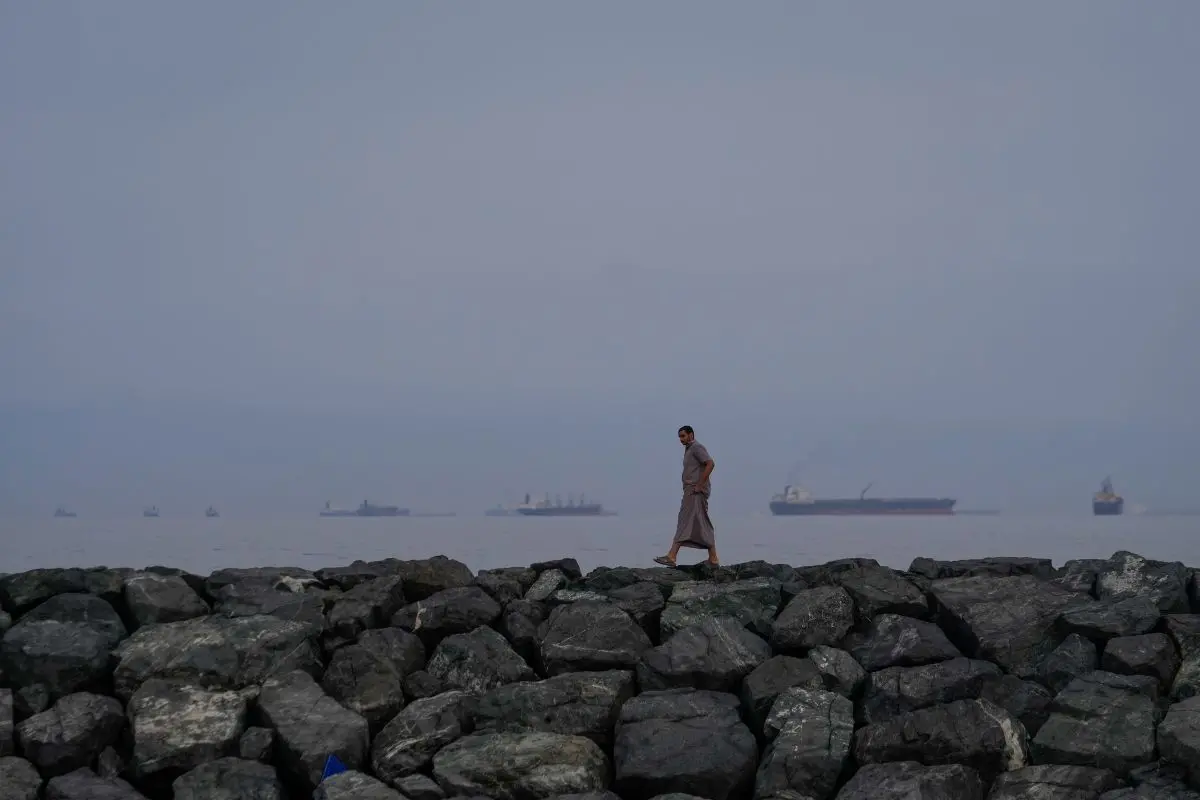
Oslo: NATO Secretary General Mark Rutte has said that member states are in discussions on how best to reopen the Strait of Hormuz, a key route for global oil shipments.
Speaking at a press conference during a visit to a NATO military exercise in northern Norway, Rutte said allies were united in the view that the strait must be reopened and were working together to determine the most effective approach.
“I have been in contact with many allies. We all agree that the strait has to open up again. Allies are working together and discussing how to do that and what is the best way forward,” he said.
ALSO READ | Russian oil diversion: Tankers bound for China make U-turn to India
The development comes amid growing concerns over disruptions to energy supplies, as a significant share of the world’s oil and liquefied natural gas normally passes through the narrow waterway.
Meanwhile, Donald Trump has called on global powers to deploy naval forces to escort tanker convoys through the strait, underlining the urgency of securing the vital maritime route.
Strait of Hormuz
The Strait of Hormuz, one of the world’s most vital energy corridors, remains under severe strain amid escalating regional tensions. The narrow 33-kilometre-wide passage connects major oil and gas producers in the Gulf to global markets, with the vast majority of shipments heading to Asia. While some countries have alternative pipelines, most volumes transiting the strait have no practical substitute route, according to the U.S. Energy Information Administration.
The waterway has faced heightened security incidents, with maritime monitoring groups reporting dozens of attacks and suspicious activities involving tankers and other vessels across the region. Traffic has dropped significantly compared with pre-conflict levels, although limited crossings continue, including ships linked to various regional and international operators.
ALSO READ | Strait of Hormuz can’t be ‘as it was before’: Iran warns as shipping collapses
Past tensions have led to temporary disruptions, and during earlier conflicts the strait experienced severe interference, including attacks on shipping. However, it has not been fully closed for extended periods in recent years. Current hostilities have again raised concerns about energy flows, prompting warnings that global oil prices could rise sharply if disruptions persist.
In response, the United States has introduced measures aimed at stabilising supply chains, including expanding ship insurance support and allowing greater flexibility in energy imports. International bodies have also drawn on emergency oil reserves to help offset potential shortages, though analysts caution that such steps can only provide short-term relief. Experts say long-term stability depends on restoring normal and secure navigation through the strait.