NATO allies reject Trump’s Strait of Hormuz blockade plan
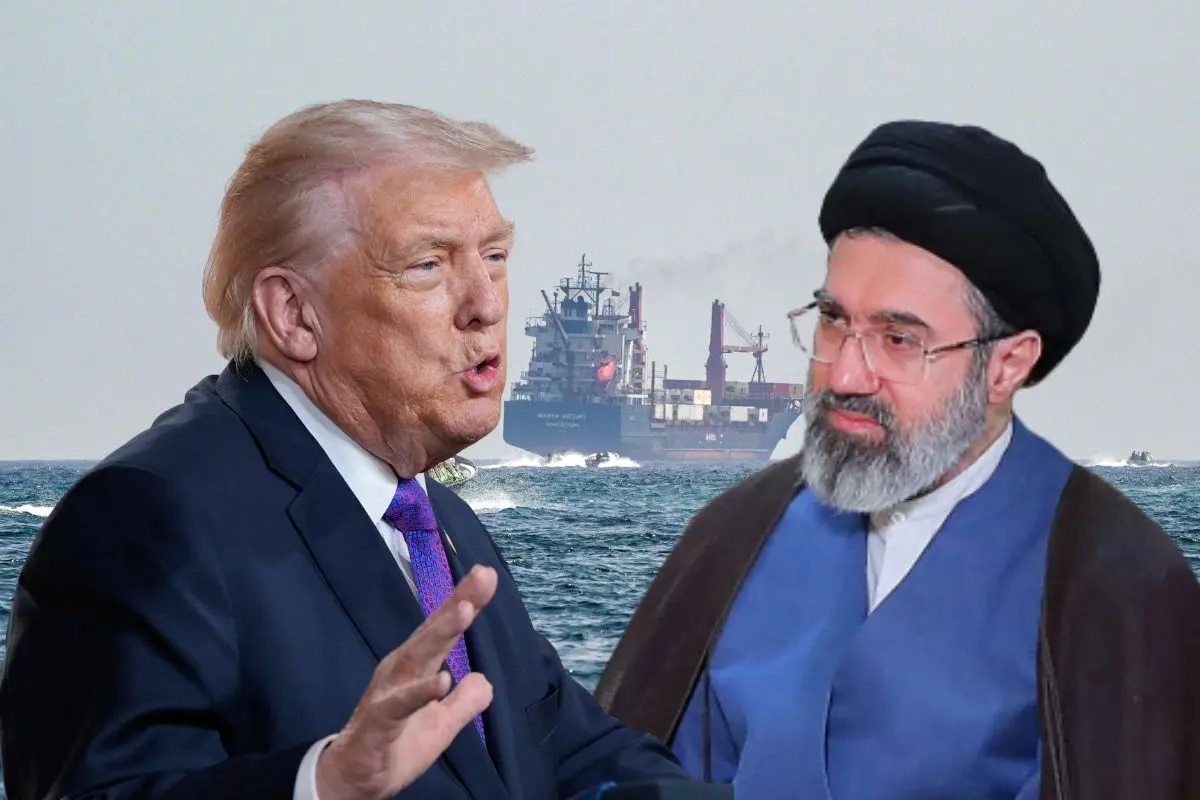
Washington: Key allies of the NATO on Monday, have made it clear that they will not take part in President Donald Trump’s proposed blockade of the Strait of Hormuz, signalling growing strain within the alliance.
The development follows the collapse of weekend negotiations aimed at ending the ongoing six-week conflict with Iran. In response, Trump announced that the US military would coordinate with other nations to restrict maritime movement in the crucial waterway.
In a post on Truth Social on Sunday, he stated that the blockade would begin shortly and suggested that multiple countries would be involved.
Subsequently, the US military clarified that the measures, scheduled to begin at 1400 GMT on Monday, would be limited to vessels travelling to or from Iranian ports.
European allies refuse to participate
Despite the US position, several NATO members, including United Kingdom and France, have declined to support the blockade.
Leaders from these countries stressed the importance of keeping the Strait of Hormuz open, as it serves as a vital route for global oil shipments. Nearly one-fifth of the world’s oil supply typically passes through this channel, which Iran has effectively restricted since hostilities began on February 28.
Their decision not to join the US initiative marks another point of disagreement within the alliance.
Rising tensions within NATO
The disagreement adds to existing tensions between Washington and its allies. Trump has previously indicated that he may reconsider the US commitment to NATO and is evaluating the possibility of withdrawing some American troops from Europe.
This follows resistance from several countries that declined to support US military operations against Iran, including denying access to their airspace.
Speaking to the BBC, British Prime Minister Keir Starmer confirmed that the UK would not back the blockade. He stated that, despite significant pressure, his government would not be drawn into the conflict.
NATO leadership seeks clarity on role
Mark Rutte has reportedly urged European governments to provide clear commitments regarding the security of the Strait of Hormuz. Diplomats indicated last week that Trump is seeking firm support from allies in the near future.
Rutte had earlier suggested, on April 9, that NATO could potentially play a role in the region if all 32 member nations agreed to establish a joint mission.
Conditional support from European Nations
Some European countries have expressed willingness to contribute to safeguarding the strait, but only under certain conditions. They have indicated that involvement would depend on the end of hostilities and assurances from Iran that their vessels would not be targeted.
France proposes multinational mission
French President Emmanuel Macron announced on X that France would organise a conference with Britain and other partners to explore the creation of a multinational initiative aimed at restoring safe navigation in the strait.
He pointed out that such a mission would be defensive in nature and separate from the ongoing conflict, and would only be deployed when conditions permit.
Efforts to stabilise maritime trade
Meanwhile, Britain is reportedly examining measures to lower insurance costs for ships operating in the region once the conflict subsides, according to a senior European official.
Call for diplomatic solution
Hakan Fidan highlighted the need for diplomacy, stating that reopening the Strait of Hormuz should be achieved through dialogue. He also pointed out that forming an international force to manage the waterway would be complex.
Fidan further called for NATO to reassess its relationship with Trump during a summit scheduled to take place in Ankara in July.