Middle East on the brink: How a night of retaliation between Iran and Israel unfolded
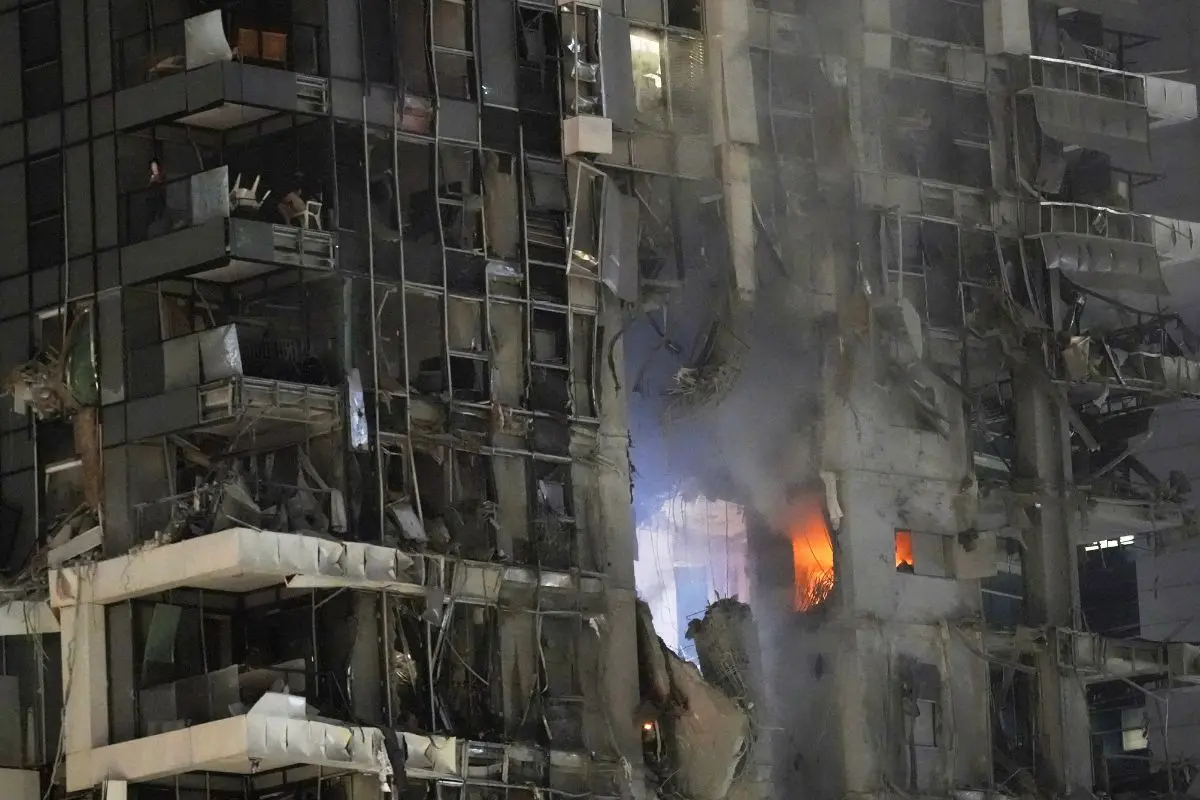
A dangerous and dramatic escalation exploded across the Middle East overnight, as Iran launched a wave of retaliatory missile and drone strikes on Israel, following a sweeping Israeli assault deep inside Iranian territory.
The confrontation has sharply intensified fears of a broader regional war, with key infrastructure and cities targeted on both sides in one of the most volatile nights in the region’s recent history.
Israel strikes deep inside Iran in surprise attack
The crisis erupted late Thursday night when Israeli warplanes and drones – some reportedly smuggled into Iranian territory in advance – struck a wide range of strategic targets deep inside Iran.
According to Israeli officials, this was one of the most significant military operations ever undertaken by the country.
The strike targeted:
- Parts of Iran’s nuclear infrastructure
- Ballistic missile production sites
- Key command centres
- Iranian military commanders and nuclear scientists
The attack reportedly killed several high-ranking officials within Iran’s nuclear and military hierarchy, sending a strong signal from Tel Aviv.
Netanyahu declares: ‘More is on the way’
In a defiant video address released after the strikes, Israeli Prime Minister Benjamin Netanyahu claimed sweeping success:
“In the past 24 hours, we have taken out top military commanders, senior nuclear scientists, the Islamic regime’s most significant enrichment facility, and a large portion of its ballistic missile arsenal. The regime does not know what hit them, or what will hit them. It has never been weaker.”
Addressing the Iranian public directly, Netanyahu continued:
“To the proud people of Iran, we are in the midst of one of the greatest military operations in history, Operation Rising Lion. The Islamic regime, which has oppressed you for almost 50 years, threatens to destroy our country, the State of Israel. More is on the way.”
Iran responds: Retaliatory missile and drone salvo targets Israeli cities
Just hours later, in the early hours of Saturday, Iran responded with a large-scale missile and drone attack, aiming at multiple locations inside Israel.
Sirens rang out in Tel Aviv, Jerusalem, and other areas as residents were urged to take cover. Explosions echoed through the night sky, with buildings shaking and flashes of fire visible from incoming missile detonations and interception efforts.
Iran’s powerful Islamic Revolutionary Guard Corps (IRGC) quickly claimed responsibility, releasing a pointed statement:
“Using a combination of precision-guided and smart systems, Iran targeted military centers and airbases that served as the source of the criminal aggression against our country.”
The IRGC said it had hit Israeli military-industrial centres that manufacture missiles and other equipment. It added:
“Field reports, satellite imagery, and intercepted intelligence indicate that dozens of ballistic missiles effectively hit strategic targets. Despite claims of interception, the enemy failed to counter the waves of missile strikes launched by the Islamic Republic of Iran.”
Israel’s defence systems activate as second wave hits
While Iranian officials claimed success, the Israel Defence Forces (IDF) maintained they had intercepted a significant portion of the incoming threats.
The IDF released video footage showing a Navy missile ship intercepting five Iranian drones over Israeli waters early Saturday morning. It also posted a map highlighting areas under threat, warning:
“Israeli civilians are currently being targeted by the Iranian regime. The world cannot stay silent.”
As the bombardment continued, Netanyahu and Defence Minister Yoav Gallant operated from a fortified command centre, conducting live military assessments and directing response efforts. According to an Israeli official speaking to CNN, the government is “fully engaged in real-time military coordination and strategic planning.”
The tension escalated even further after Netanyahu’s address, with a second barrage of missiles launched by Iran hitting targets across Israel, including new explosions reported in Jerusalem and Tel Aviv.
Iran warns of further escalation
A senior Iranian official speaking to CNN warned that the Islamic Republic is prepared to escalate further:
“Iran will intensify its attacks on Israel and target the regional bases of any country that tries to defend it.”
The threat significantly raises the stakes for countries like the United States, Saudi Arabia, and other Gulf states, whose military installations might be seen as legitimate targets if they are perceived to assist Israel.
Trump weighs in: ‘Iran better agree to a deal’
Former US President Donald Trump also weighed in on the crisis, issuing a blunt warning to Iran during an interview with CNN.
“Of course we support Israel in its actions,” Trump said. “Iran better agree to a nuclear deal before there is nothing left.”