US says sanctions are working, rules out fresh major strikes on Iran for now
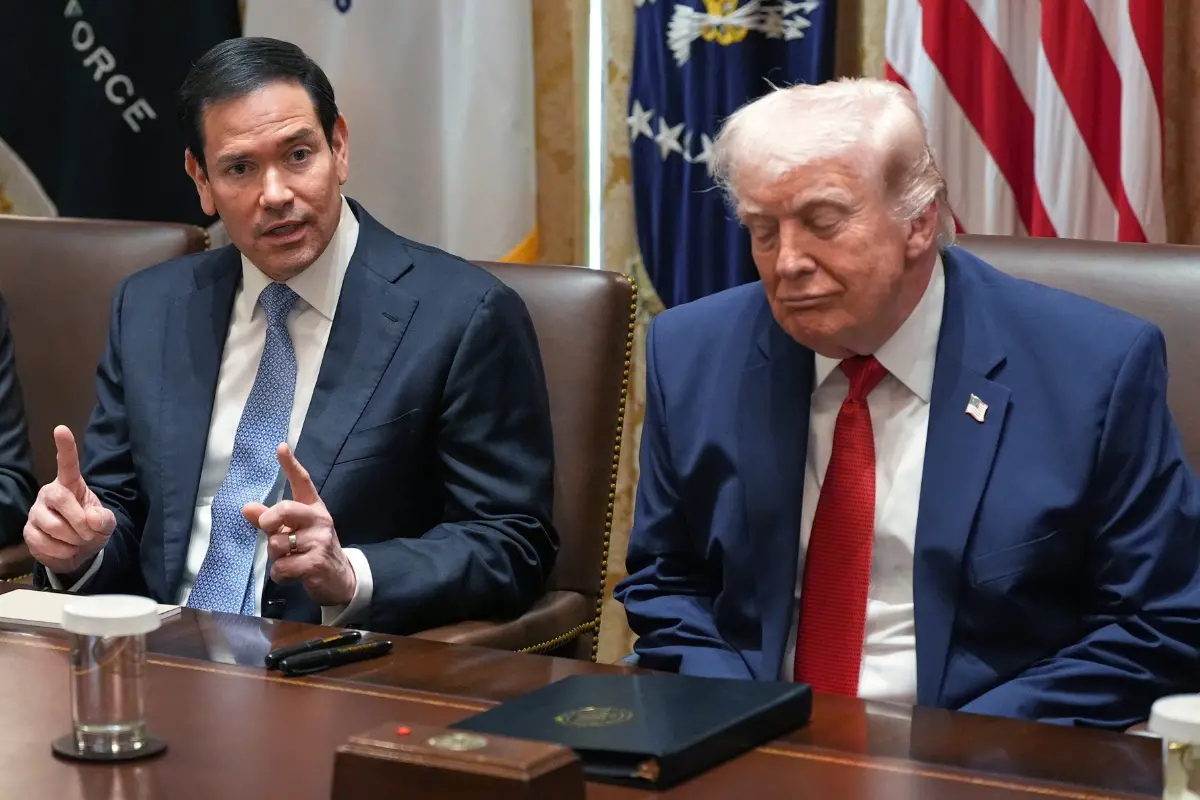
The United States does not see an immediate need to resume major military operations against Iran, with Secretary of State Marco Rubio saying economic pressure is delivering results. However, Washington has warned Tehran that its military remains prepared to respond if Iran crosses its "red lines".
Speaking after a meeting of G7 foreign ministers in Paris on Tuesday, Rubio said the economic campaign against Iran was inflicting severe damage on the country's leadership and reducing the need for further military action.
"The economic campaign (against Iran) is so devastating that right now there is no need for major combat operations," Rubio said, adding that he had conveyed the position to Washington's allies.
He said President Donald Trump had concluded that the US could achieve its objectives through economic measures rather than launching another major military campaign.
Rubio, however, cautioned that the restraint was not unconditional. If Iran crossed the limits set by Washington, the US military was ready to act, and Tehran would pay a "terrible price".
Rubio argued that the impact of sanctions and restrictions on Iran was growing, particularly as the country faced mounting difficulties in exporting its oil.
"The economic pain that is being inflicted on Iran right now and on that regime is extraordinary and it is growing every day," he said, claiming that US blockades were causing Iranian oil supplies to dry up.
He also accused Iran's clerical leadership of imposing the economic hardship on its own population.
Despite the pressure, Rubio expressed doubts about the immediate prospects of a diplomatic agreement. He said Tehran's conditions for negotiations were unreasonable and suggested that Iran was not yet approaching talks seriously.
However, he indicated that the situation could change as economic difficulties intensified.
Qatar joins diplomatic push to end war
The G7 discussions in Paris also saw a fresh diplomatic effort to prevent further escalation.
Qatar's Prime Minister Sheikh Mohammed bin Abdulrahman Al Thani joined talks on the sidelines of the meeting with foreign ministers from four European countries and Saudi Arabia's foreign minister.
The meeting came hours after Al Thani held discussions with Trump on ending the US war with Iran. Qatar has played a key mediating role in regional diplomacy, with Al Thani also serving as the country's foreign minister.
Trump had indicated after meeting the Qatari leader that there was momentum towards ending the conflict, which began on February 28 with the killing of Iran's Supreme Leader Ali Khamenei.
European allies warn against further escalation
European members of the G7 have urged Washington to avoid another escalation with Iran and pursue diplomatic efforts to end the conflict.
French Foreign Minister Jean-Noel Barrot, who chaired the Paris meeting, said the possibility of renewed confrontation had not been eliminated.
"The risk of a new escalation between the United States and Iran has not been completely ruled out," he said, explaining why the issue had received considerable attention during discussions with Rubio and the Qatari premier.
British Foreign Minister Ed Miliband also called for an "all-out diplomatic effort" to end the war. He warned that the current situation, marked by neither active peace nor a lasting settlement, was continuing to damage the global economy.
Miliband called for the full reopening of the Strait of Hormuz, a crucial route for global energy shipments.
The diplomatic discussions come amid continuing uncertainty over the conflict and its impact on energy markets. While Washington says economic pressure is currently sufficient to achieve its objectives, its warning of military retaliation leaves the prospect of renewed confrontation open.
With AFP inputs