Who is Marc Fogel? Why is Trump making a big deal of his prison release?
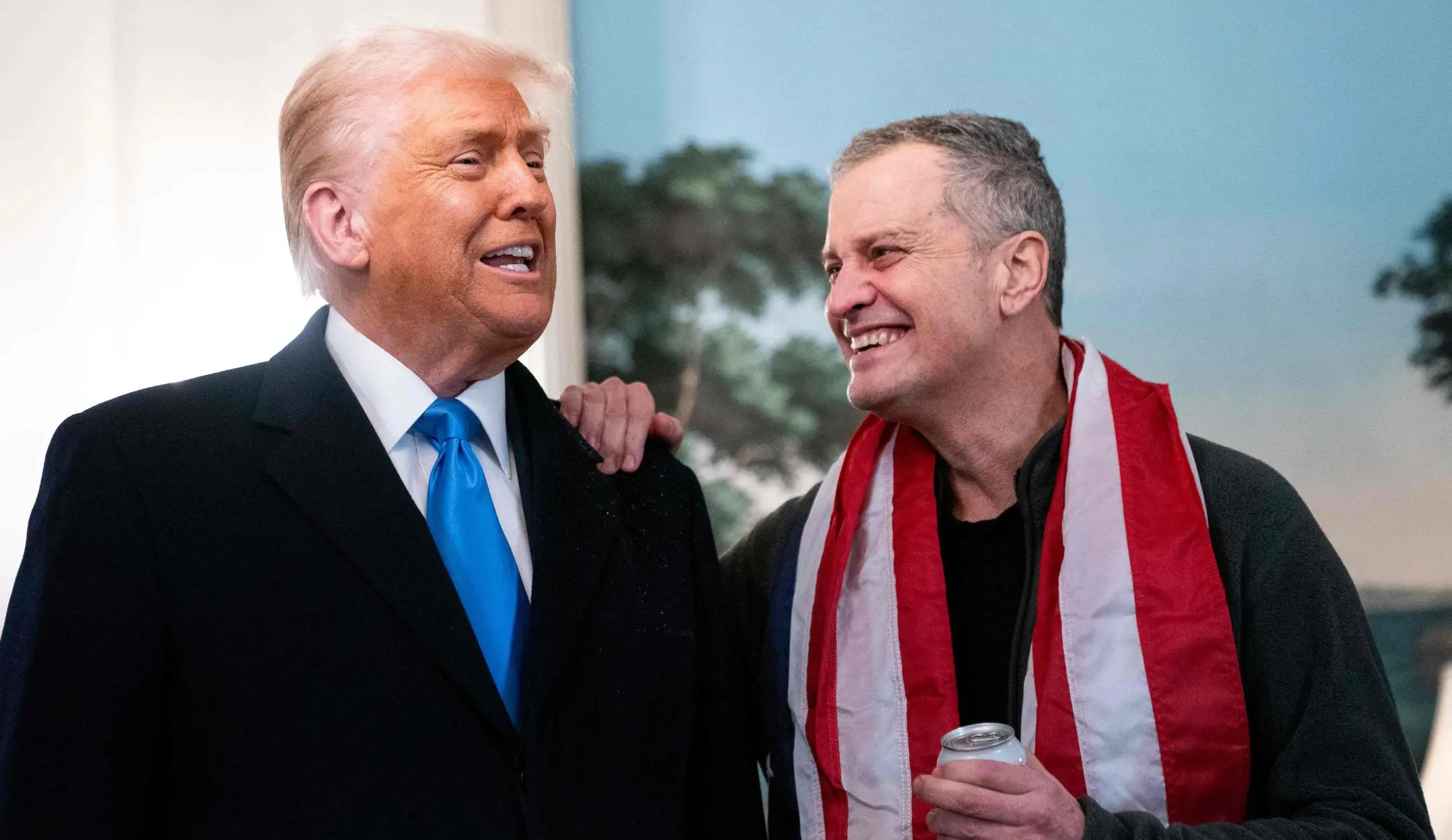
Marc Fogel, a 61-year-old American history teacher, has returned to the United States after being imprisoned in Russia for over two years. His release, which former President Donald Trump has hailed as a diplomatic success, has reignited discussions on US-Russia relations and raised questions about why his case is being highlighted now.
Why was Marc Fogel jailed?
Fogel, a Pennsylvania native, spent nearly a decade teaching at the Anglo-American School in Moscow, an institution primarily serving the children of diplomats. In August 2021, he was arrested upon arrival in Russia after authorities found a small quantity of medically prescribed marijuana in his luggage. Despite having a prescription from Pennsylvania for chronic back pain, Russian law does not recognise medical cannabis use.
He was convicted of drug smuggling and sentenced to 14 years in a penal colony, a punishment his family and supporters decried as excessively harsh. Comparisons were drawn to Russian citizens with similar offences, who typically received lenient sentences or probation.
The Biden administration officially designated Fogel as "wrongfully detained" in December 2024, but he was excluded from major US-Russia prisoner exchanges in 2022 and 2024. His family repeatedly urged the US government to prioritise his case, fearing for his declining health and his ageing mother, who was desperate to see him free.
During his imprisonment, Fogel endured harsh conditions in a remote labour camp with inadequate medical care. His supporters criticised what they saw as a lack of urgency in securing his release, particularly in contrast to the swift efforts made for other detainees, such as WNBA player Brittney Griner.
Why is Trump making a big deal of Fogel’s release?
Fogel’s return to the US was facilitated by Trump’s team, with special envoy Steve Witkoff escorting him out of Russia. The former president personally welcomed him at the White House, positioning the release as a major foreign policy victory. Standing alongside Trump, Fogel expressed overwhelming gratitude, calling himself "the luckiest man on Earth" and thanking both Trump and Russian President Vladimir Putin for their roles in his freedom.
Trump emphasised the fairness of the deal that secured Fogel’s release, contrasting it with past diplomatic negotiations under previous administrations. He also hinted at the upcoming release of another American detainee but withheld further details, teasing the news as part of his ongoing efforts to improve relations with Moscow.
On social media, Trump claimed he had made a personal commitment to Fogel’s 95-year-old mother during a campaign rally, promising to bring her son home. "We got him out pretty quickly," he wrote, echoing his campaign slogan, "Promises made, promises kept."
The White House and National Security Advisor Mike Waltz celebrated the release, but details of what the US exchanged for Fogel’s freedom remain undisclosed. Waltz suggested the negotiations with Russia could be a step towards ending the Ukraine conflict, hinting at broader diplomatic goals.
What’s next for US-Russia relations?
Fogel’s release has come at a time when Trump appears to be reshaping US foreign policy towards Russia. His administration has signalled a willingness to engage in negotiations to end the Ukraine war.
Despite this breakthrough, several Americans remain imprisoned in Russia, including Ksenia Khavana, convicted of treason for a small donation to a Ukrainian charity, and Robert Gilman, sentenced for allegedly assaulting law enforcement officers. Another American, Stephen Hubbard, was recently convicted in a closed trial for reportedly fighting as a mercenary in Ukraine.
(With input from IANS)