Lockheed Martin strikes 10-year deal with Pentagon for at least 850 F-35 fighter jets
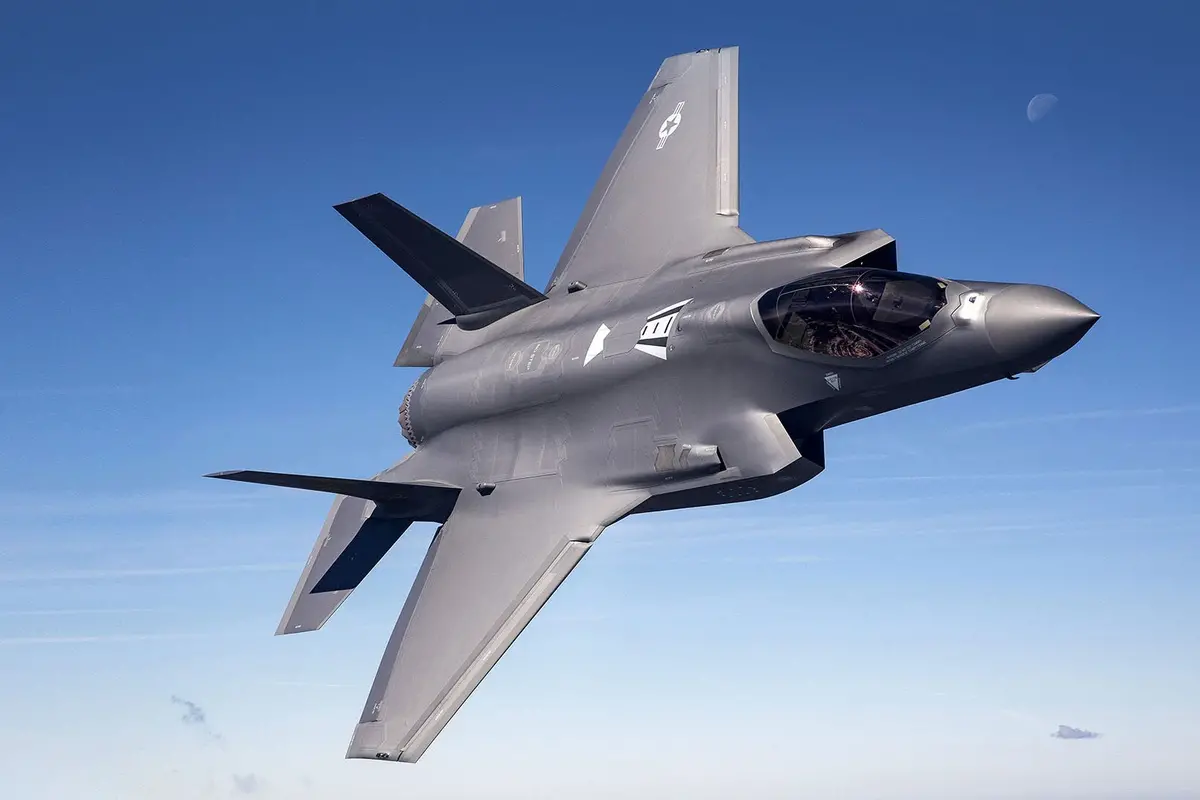
Washington: At least 850 F-35 Lightning II fighter jets over the next decade, an annual production target of 156 aircraft and a commitment of at least $7 billion from the manufacturer itself.
Lockheed Martin's latest agreement with the US Department of Defense signals a concerted push to strengthen production of one of the world's most advanced combat aircraft.
The American defence contractor announced on Thursday that it had entered an initial production and sustainment agreement with the Pentagon covering the F-35 programme for the next 10 years.
The arrangement is intended to support manufacturing at scale, improve supply chain efficiency and bring greater stability to the country's defence industrial base.
However, the agreement is not a formal order for the aircraft. Instead, it sets out a framework for a potential long-term contract, with final terms depending on further approvals and negotiations.
Lockheed Martin said the F-35 Joint Program Office and the company would work to finalize contractual terms, pricing, and production schedules if Congress grants multi-year contracting authority in the coming months. A formal contract award would follow.
The agreement also encompasses international F-35 orders, along with initial spare parts and modification kits, according to the company, which is headquartered in Arlington, Virginia.
$7 billion commitment to support production
Under the arrangement, Lockheed Martin will self-fund at least $7 billion in initiatives designed to support the F-35 programme.
The investment is expected to improve manufacturing efficiency, reduce production costs, and address supply chain constraints, from procuring raw materials to delivering finished components.
The company aims to sustain annual production at 156 aircraft, a target that would require a dependable supply of parts, adequate manufacturing capacity and coordination across its extensive network of suppliers.
The Pentagon described the agreement as part of a broader effort to reshape how the US defence industry finances and manages production.
‘We have fundamentally changed how we stabilize the American defense industrial base to produce at speed and scale,’ Under Secretary of Defense Michael Duffey said.
He added that the arrangement tied financial incentives to performance, aiming to ensure American military personnel receive the capabilities required for combat operations.
F-35 programme at the heart of Lockheed's business
The F-35 Lightning II is a stealth fighter designed to evade enemy detection, making it a central component of modern US and allied military aviation.
The aircraft is regarded as the world's most advanced fighter jet and remains a key revenue driver for Lockheed Martin's aeronautics division, which accounts for close to 40% of the company's quarterly revenue.
The programme has also gained significance as geopolitical conflicts persist and governments increase defence expenditure. Lockheed Martin and other US defence manufacturers have benefited from this heightened demand for military equipment and advanced weapons systems.
Beyond military production, the company expects the agreement to have a substantial economic impact within the United States.
Lockheed estimates that the arrangement will support 317,000 US jobs and generate nearly $79 billion in annual economic activity over the next decade.
The projected benefits will depend on the programme's implementation, including the finalisation of contractual arrangements and the industry's ability to expand production while resolving supply constraints.
For Lockheed Martin, the agreement offers a pathway towards more predictable long-term manufacturing.
For the Pentagon, it represents an effort to align defence spending with production capacity and performance, as demand for advanced combat aircraft continues to shape military procurement priorities.