Khamenei assassination: How a village in India’s Uttar Pradesh became part of Iran’s story
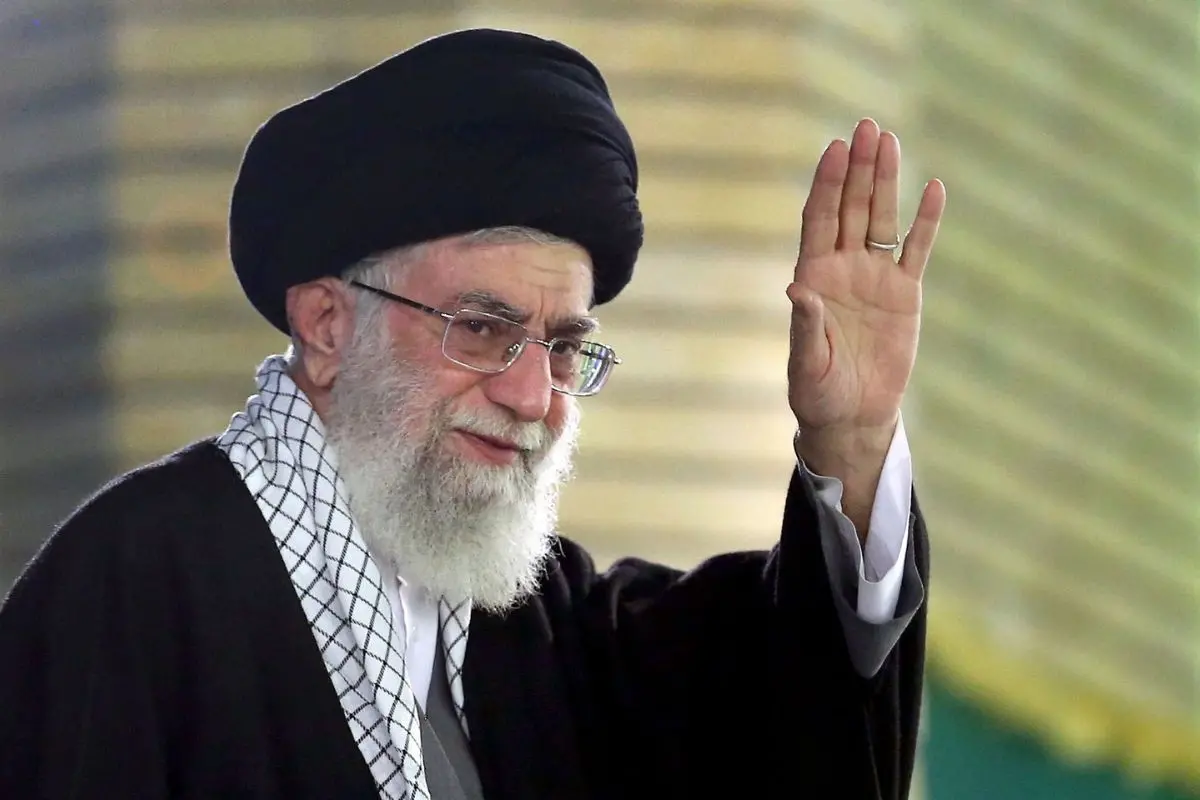
Tehran/Barabanki: The assassination of Ayatollah Ali Khamenei in a reported US-Israeli operation has sent shockwaves across West Asia, triggering political uncertainty and regional tension. Amid the geopolitical upheaval, attention has unexpectedly shifted to a quiet village in Uttar Pradesh — Kintoor in Barabanki district — which holds a historical connection to the ideological foundations of Iran’s Islamic Republic.
While Khamenei himself was born in Iran’s Mashhad, the roots of the Islamic Revolution’s founding figure trace back to India, placing Kintoor once again in the international spotlight.
Kintoor: A village linked to Iran’s revolutionary legacy
Kintoor has long been regarded as a centre of Shia scholarship in northern India. It is historically associated with the family of Ruhollah Khomeini, the architect of the 1979 Islamic Revolution that transformed Iran into a theocratic republic.
Khomeini’s grandfather Syed Ahmed Musavi was born in Kintoor in the early 19th century. Seeking advanced religious education, Musavi travelled to Najaf in present-day Iraq, one of the most prominent centres of Shia theological learning. He later moved to the Iranian town of Khomein in 1834, where the family eventually settled permanently.
It was in Khomein that the lineage took shape — a lineage that would, decades later, produce the man who led one of the most consequential revolutions of the 20th century.
The ‘Hindi’ title and a lasting marker of origin
Historical records indicate that Syed Ahmed Musavi retained the suffix “Hindi”, identifying his Indian origin even after settling in Iran. The title survived in clerical and genealogical references, quietly preserving the family’s connection to India.
Scholars suggest that Musavi’s intellectual and spiritual influence shaped the environment in which Khomeini was raised, embedding a legacy that ultimately played a role in defining Iran’s modern political theology.
From monarchy to theocracy: The revolution that changed Iran
In 1979, Ruhollah Khomeini led the mass uprising that overthrew Shah Mohammad Reza Pahlavi and dismantled Iran’s monarchy. The revolution culminated in the creation of the Islamic Republic of Iran, with Khomeini becoming its first Supreme Leader.
Under his leadership, the country adopted a system of governance rooted in clerical authority, fundamentally altering its domestic politics and foreign policy trajectory. To supporters, he was a spiritual figure who challenged Western dominance. To critics, he institutionalised a rigid theocratic structure that curtailed political freedoms.
Why the India connection matters now
With the death of Ayatollah Ali Khamenei, who succeeded Khomeini as Supreme Leader in 1989, Iran stands at a pivotal moment. As the nation confronts uncertainty over succession and regional stability, historical narratives tied to its founding ideology have resurfaced.
Kintoor’s connection does not directly link Khamenei by blood, but it underscores the transnational roots of the Islamic Republic’s intellectual lineage. The rediscovery of this Indian chapter adds an unexpected dimension to the story of a regime often viewed solely through the prism of West Asian politics.
In a time of renewed global focus on Iran’s leadership and legacy, a village in Uttar Pradesh finds itself woven into the broader narrative of revolution, religion and geopolitics.