Why was baby product giant Johnson & Johnson ordered to pay $40 million to two women
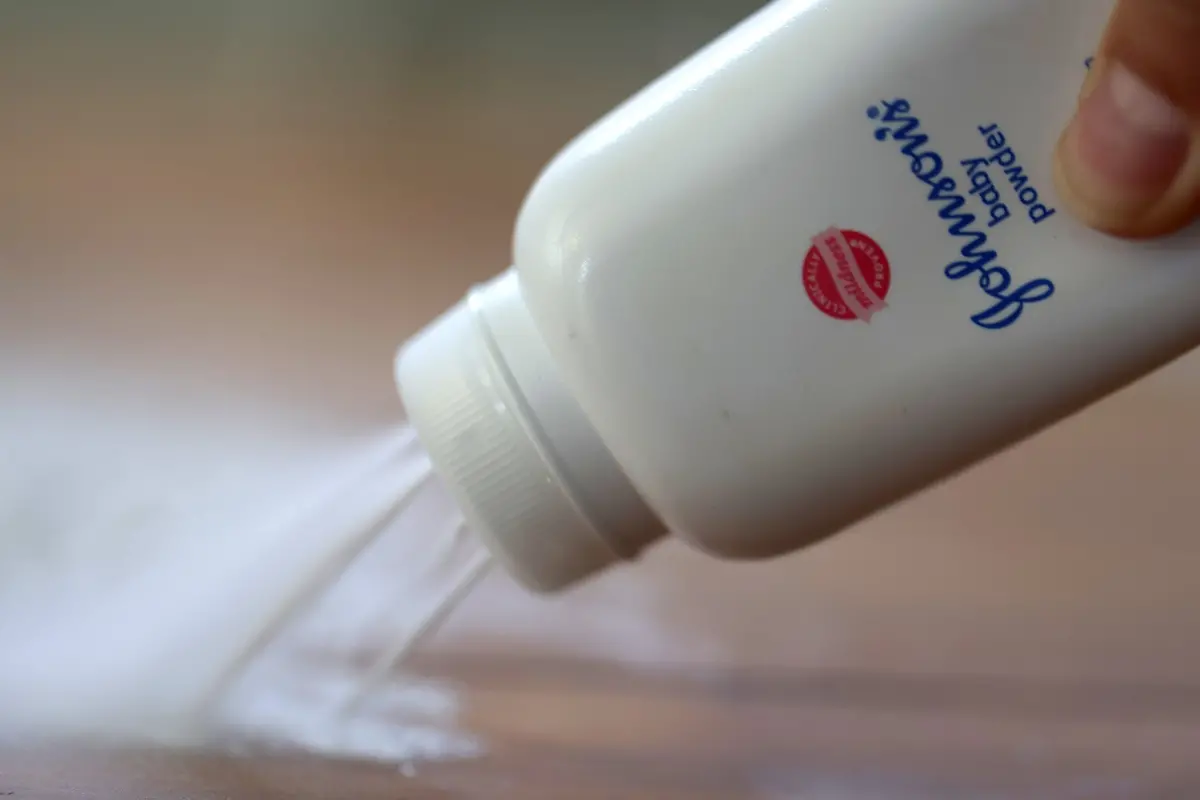
Los Angeles: A California jury on Friday ordered Johnson & Johnson to pay $40 million to two women who alleged that the company’s talc-based baby powder caused their ovarian cancer.
The verdict, delivered in Los Angeles Superior Court, marks the first major state court decision in California’s coordinated proceedings since the company’s various legal manoeuvres to settle the litigation through bankruptcy were halted.
The Plaintiffs and the Verdict
The jury awarded $18 million to Monica Kent and $22 million to Deborah Schultz and her husband. Both women, residents of California, testified that they had used Johnson & Johnson’s baby powder daily for approximately 40 years as part of their personal hygiene routines.
Kent was diagnosed with ovarian cancer in 2014, while Schultz received her diagnosis in 2018. During the four-week trial, both women described harrowing medical journeys that included multiple invasive surgeries and dozens of rounds of chemotherapy.
Allegations of Concealment
The legal teams for the women argued that Johnson & Johnson had been aware for decades that its talc products could be contaminated with asbestos, a known carcinogen, but failed to warn the public.
“Absolutely they knew,” Andy Birchfield, an attorney for the women, said during closing arguments. “They knew, and they were doing everything they could to hide it, to bury the truth about the dangers.”
The plaintiffs presented internal company records dating back to the 1960s, which they claimed showed the company was concerned about potential health risks and worked to influence regulators while maintaining a public "promise of purity."
The Defence and Planned Appeal
Johnson & Johnson denied all allegations of wrongdoing, maintaining that its talc-based products were safe, asbestos-free, and did not cause cancer.
Defence attorney Allison Brown told the jury that the link between talc and ovarian cancer is not supported by major U.S. health authorities or definitive scientific studies. She argued that the plaintiffs' claims were a theory pushed by lawyers rather than medical science.
Erik Haas, J&J’s worldwide vice president of litigation, called the verdict "aberrant" and confirmed the company plans to appeal. "We expect to prevail as we typically do with aberrant adverse verdicts," Haas said in a statement.
Broader Legal Context
The pharmaceutical giant currently faces more than 67,000 lawsuits related to its talc products. While the company has won several recent cases and successfully overturned some large verdicts on appeal, the litigation continues to be a massive financial and legal burden.
J&J stopped selling talc-based baby powder in the U.S. and Canada in 2020 and transitioned to a cornstarch-based formula globally in 2023.
With inputs from Reuters