Jellyfish invasion forces shutdown at one of Europe's largest nuclear plants, one reactor restarts
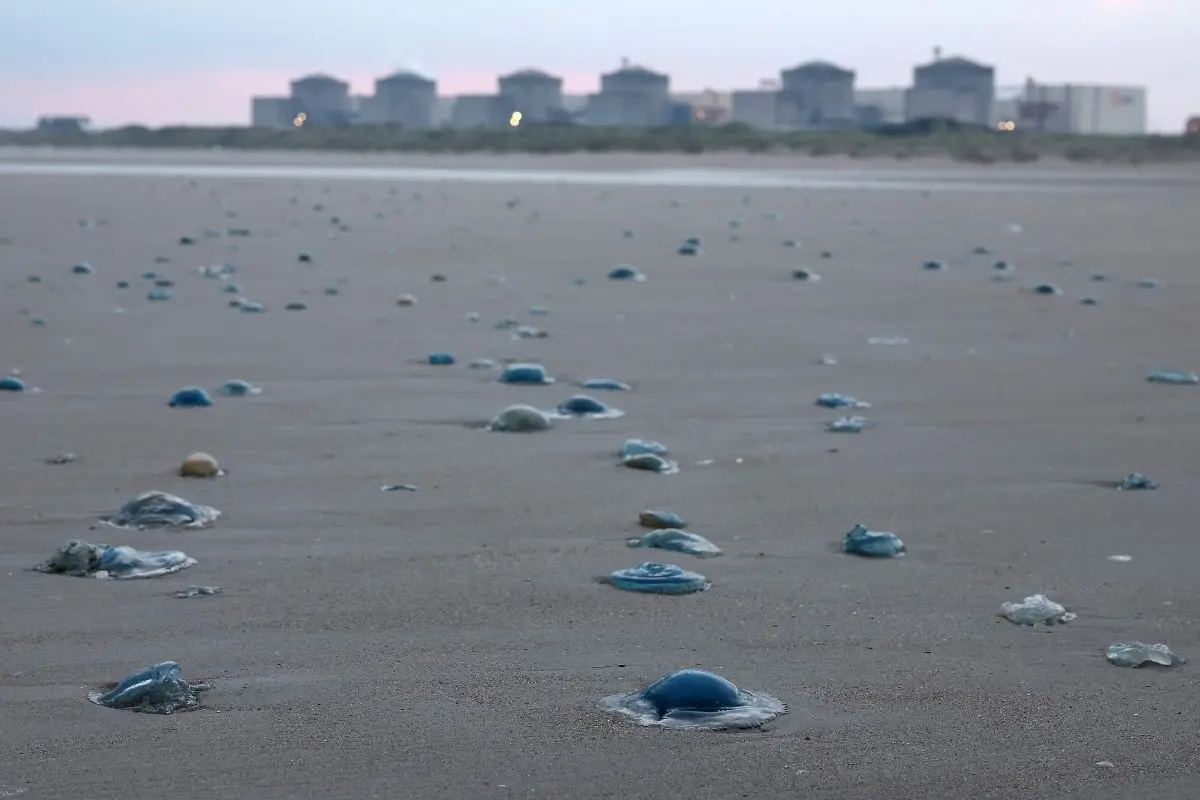
Lille: France's EDF power company has restarted one reactor at the Gravelines nuclear power plant in northern France following a shutdown caused by a jellyfish invasion, officials confirmed. The plant, located on the Channel coast near Dunkirk, is the largest nuclear power station in western Europe, housing six reactors each generating 900 megawatts.
The reactors were shut down earlier this week, on Sunday and Monday, after a swarm of jellyfish clogged the pumps responsible for cooling the reactors, a rare but impactful event coinciding with a heatwave sweeping across much of Europe. An EDF spokeswoman speaking to AFP said that Reactor No. 6 was restarted at 7:30 am on Wednesday, with restoration work underway to bring three other reactors back online over the coming days. The plant’s remaining two reactors remain offline for scheduled maintenance.
EDF assured that the incident did not compromise the safety of the plant, its personnel, or the surrounding environment. Notably, Gravelines had previously experienced similar disruptions from jellyfish back in 1990. Such occurrences are not isolated; nuclear plants in countries like the United States, Sweden, and Japan have also faced shutdowns triggered by jellyfish clogging cooling systems.
Experts attribute the rise in such jellyfish swarms to environmental factors, including overfishing, plastic pollution, and climate change, which create favourable conditions for jellyfish to thrive and reproduce more abundantly.
With inputs from AFP