US-Iran peace push: JD Vance contacts Iranian hard-liner Mohsen Rezaei to restart peace talks
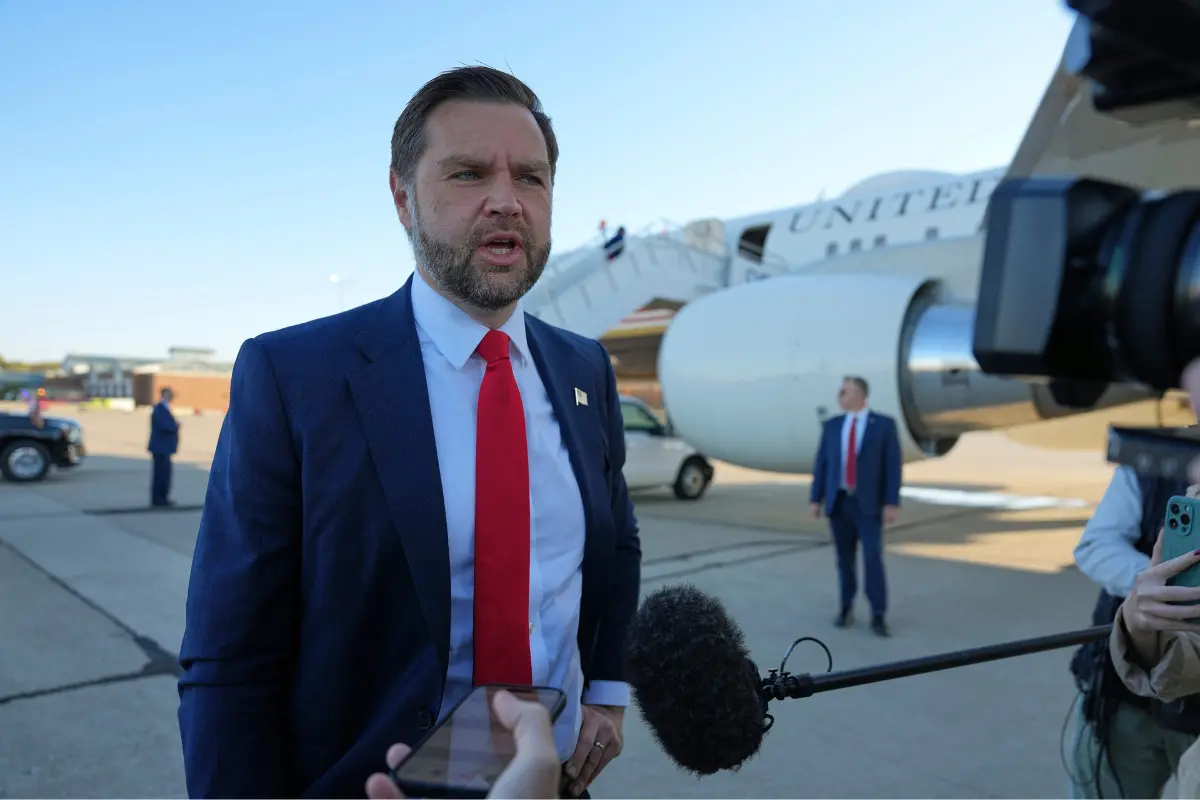
Washington: US Vice President JD Vance has established a direct line of communication with one of Iran’s most prominent hard-liners in a bid to reactivate peace negotiations, The Wall Street Journal reported, even as US President Donald Trump threatens to restart military strikes in the coming weeks.
Vance sent a letter to Mohsen Rezaei, secretary of Iran’s Supreme National Security Council and a former commander of the Islamic Revolutionary Guard Corps (IRGC), to assess whether Washington and Tehran could formulate a framework for talks. According to a person familiar with the matter cited by the WSJ, the letter was dispatched at Trump’s instruction, with the president kept fully apprised of the move.
However, Trump subsequently contradicted reports that he directed Vance to open peace talks with Iran, maintaining that the vice president’s correspondence was limited to medical assistance.
“Iran needs help with medical supplies. Basically, it’s getting supplies in to help people that are not well,” Trump told reporters at Joint Base Andrews when asked if he had ordered Vance to initiate peace negotiations.
The diplomatic push comes as Trump considers a brief, concentrated campaign of strikes against Iran following the upcoming US midterm elections. Vance is seeking to determine whether diplomacy can prevent further military escalation, although the exchange has not yet produced a concrete peace proposal.
ALSO READ: US-Iran conflict claims 22 Indian lives, including 14 seafarers
Rezaei declared last week that Tehran would reject negotiations with Washington unless its core conditions were satisfied.
The outreach reflects a complex balancing act for Vance, who has publicly endorsed the military campaign while privately expressing reservations regarding its continuation. Before Trump initiated “Operation Epic Fury” in February, Vance pressed for more active diplomatic efforts. Trump later named him lead negotiator, leading the vice president to travel internationally twice to meet Iranian representatives in search of an agreement to end the fighting.
A memorandum of understanding agreed upon in June collapsed just two weeks after signing, following disputes over the restoration of maritime shipping through the Strait of Hormuz. Subsequent diplomatic attempts brokered by Qatar and Pakistan have failed to produce a breakthrough. Washington maintains that Tehran must make initial nuclear concessions, while Iranian officials insist on immediate economic relief.
Rezaei’s involvement as a key negotiator risks shifting Iran's diplomatic alignment, potentially marginalising figures such as Iranian Foreign Minister Abbas Araghchi and parliament speaker Mohammad Bagher Ghalibaf. A veteran of the 1980s Iran–Iraq War who commanded the IRGC for years, Rezaei has gained significant influence as threats of renewed U.S. strikes escalate. Earlier this month, he warned that Iran could launch attacks against the United Arab Emirates, alongside regional data centres and subsea internet cables.
Trump has alternated between seeking a negotiated outcome and threatening severe military strikes, framing the dismantling of Iran’s nuclear programme as a key national security target of his second administration. Last week, he asserted that Washington was not in talks with Tehran and indicated that military action remained under consideration. During a campaign appearance on Tuesday, he accused Iran of stalling negotiations and warned that delaying until after the election would yield no advantage.
Republican candidates face potential losses across the House and Senate in the midterm elections, with voters citing the ongoing conflict and rising fuel costs among their primary concerns. As a result, Vance, viewed as a prospective contender for the 2028 Republican presidential nomination, is navigating a conflict with significant foreign policy and domestic political stakes.
Trump has reiterated that the conflict will draw to a close strictly on his timeline.
ANI