'America wins either way': Iran says no talks, JD Vance says negotiations are already happening
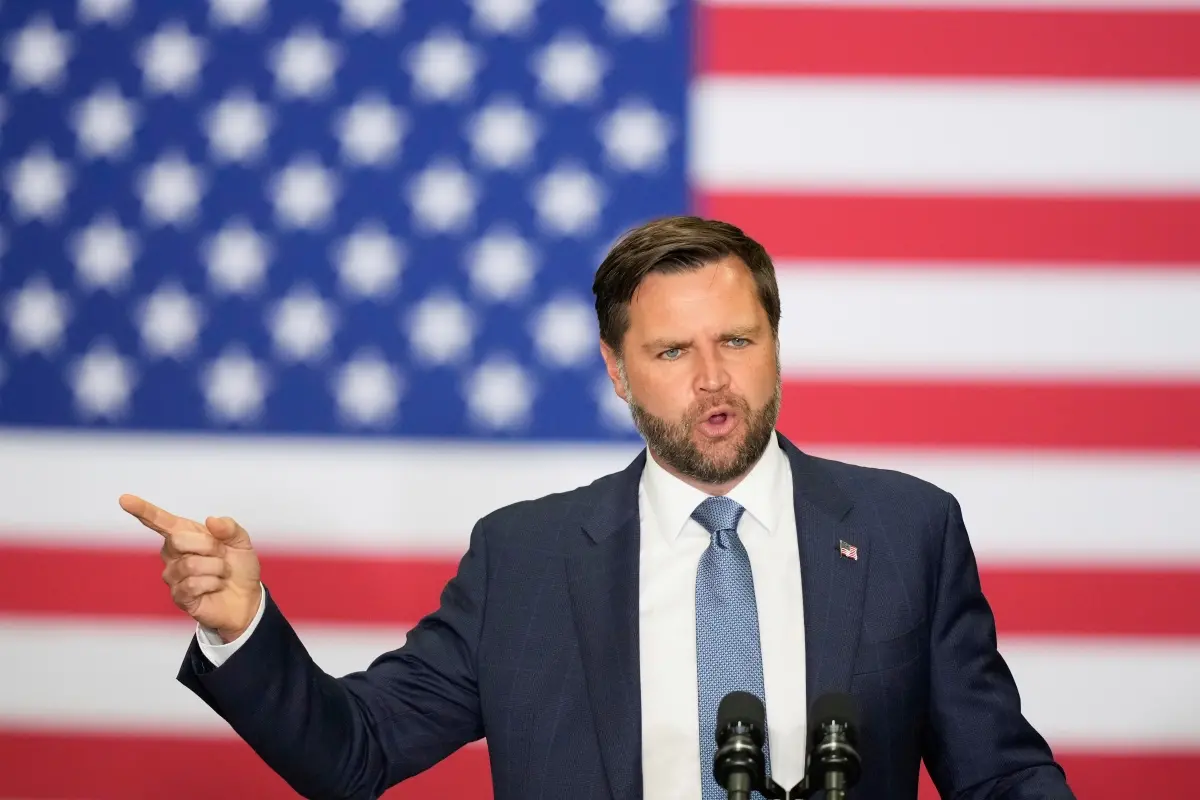
Washington DC: JD Vance says Iran's peace talks denial is a 'Persian tactic', insists US still has the upper hand
US Vice President says technical talks are continuing despite Tehran's public denials, while maintaining that Washington remains in a strong position whether or not a final nuclear deal is reached
As diplomatic efforts between the United States and Iran continue behind closed doors, US Vice President JD Vance has suggested that Tehran's public rejection of ongoing peace negotiations should not be taken at face value.
Speaking in a series of interviews on Tuesday, Vance described Iran's repeated denial of direct peace talks as a "Persian negotiating tactic", arguing that technical discussions between the two countries are still moving forward. He also claimed the US remains in a favourable position regardless of whether a final agreement is eventually signed.
Technical talks continue despite public denials
During an appearance on The Michael Knowles Show, Vance said technical-level discussions that build on earlier negotiations were scheduled to continue.
"There were scheduled talks, really technical talks, building on the negotiation that we've already had. Those are definitely happening tomorrow," he said.
Vance criticised what he called contradictory messaging from Iranian officials, pointing out that Tehran has denied broader peace talks while acknowledging technical discussions related to implementing a possible agreement.
Calling it a "Persian negotiating tactic", he suggested that Iran's public statements are part of its broader negotiating strategy rather than a reflection of what is happening behind the scenes.
'We care more about what Iran does than what it says'
In a separate interview with Fox News, Vance said the Trump administration is judging Iran by its actions instead of its public rhetoric.
According to him, Washington has seen both encouraging and concerning signals from Tehran in recent weeks. However, he stressed that any lasting agreement would require Iran to make meaningful concessions.
Vance said President Donald Trump has instructed officials to continue exploring diplomatic solutions while ensuring the US retains other options if negotiations fail to produce results.
🔥🚨 JUST IN — VP JD Vance says the SCOTUS decision today on Birthright Citizenship is "DISAPPOINTING!"
VANCE: "It was a MAJOR, MAJOR mistake!"
"The fact that this case was a 5-4 decision effectively means that the concept of birthright citizenship, which is an absurdity to the… pic.twitter.com/6ekolHbkUW— The Patriot Oasis™ (@ThePatriotOasis) June 30, 2026
Doha meetings add to diplomatic momentum
The comments come after White House envoys Steve Witkoff and Jared Kushner travelled to Doha, Qatar, following President Trump's announcement that Iran had requested a meeting.
Iran later denied arranging direct negotiations with Washington. Instead, Iranian officials said discussions in Doha would focus on implementing specific provisions of an existing memorandum of understanding through Qatari mediation, including the possible release of frozen Iranian financial assets.
The differing accounts have highlighted the cautious and often complicated nature of US-Iran diplomacy.
Vance says America 'wins either way'
Appearing on HBO's Real Time with Bill Maher, Vance argued that the United States is already in a strong strategic position.
"If we make the final deal, then great. If we don't make the final deal, their nuclear programme is still destroyed. They're still much weaker as a country, so my attitude is America wins either way," he said.
Vance maintained that Iran's uranium enrichment capability has been "functionally destroyed", insisting that eliminating its ability to enrich uranium was the primary objective.
He also pointed to relatively stable oil prices and uninterrupted shipping through the Strait of Hormuz as indicators that the current diplomatic approach has helped avoid wider regional disruption.
Nuclear concerns remain unresolved
Despite expressing confidence in the negotiations, Vance acknowledged that implementing any agreement with Iran would not be straightforward.
"It is always going to be a little messy when you're dealing with the Iranians," he said.
He added that the United States would be willing to fundamentally reset relations with Iran if Tehran permanently gave up its nuclear weapons ambitions.
However, one of the biggest unresolved issues remains Iran's stockpile of uranium enriched to 60 per cent. Critics argue that this remains a major obstacle to any long-term agreement.
International Atomic Energy Agency (IAEA) Director General Rafael Grossi has suggested that diluting the stockpile or transferring it outside Iran could provide a practical solution as negotiations continue.
Why the talks matter
The latest exchanges come at a sensitive moment in US-Iran relations following months of heightened military tensions and renewed diplomatic engagement.
While Washington says technical negotiations are progressing, Tehran continues to publicly deny direct peace talks, creating uncertainty over the true state of discussions. With concerns over Iran's nuclear programme still unresolved, diplomats are attempting to find a path towards a longer-term agreement that could ease regional tensions and reshape relations between the two countries.