Japan to restart world's largest nuclear plant; clears final hurdle 15 years after Fukushima
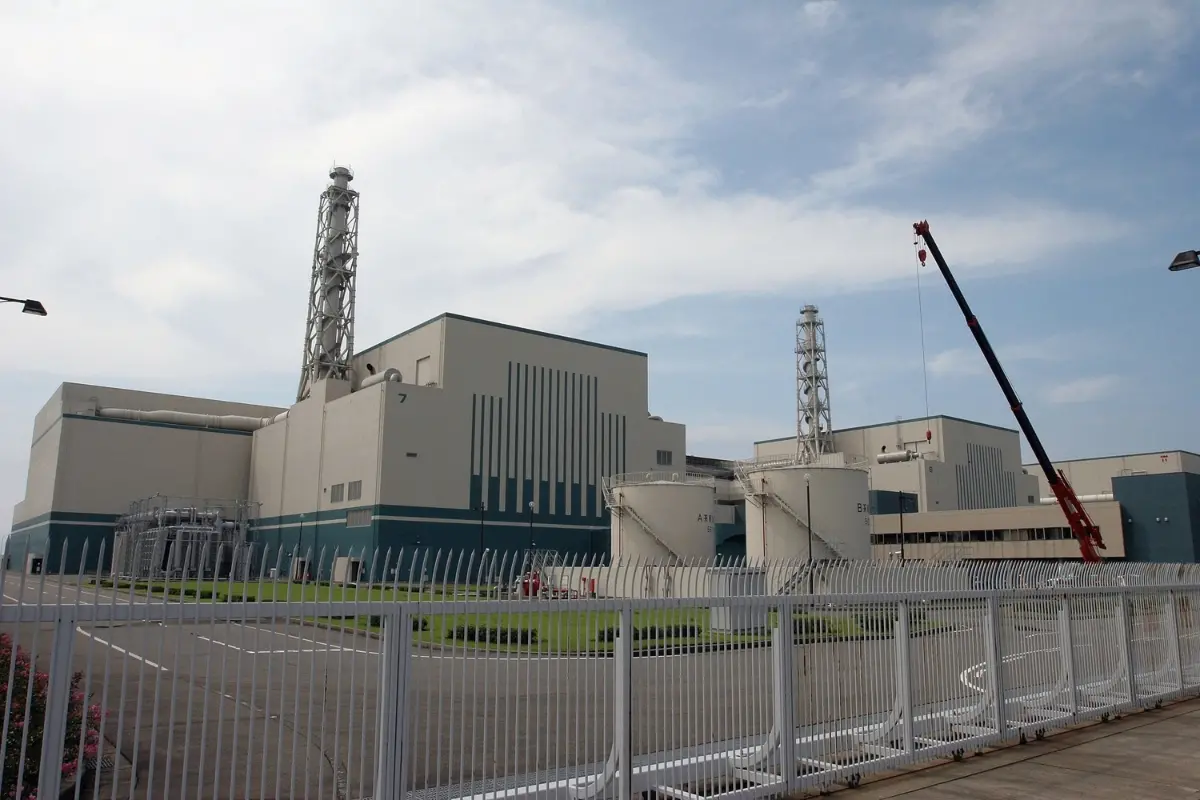
The Niigata prefectural assembly is poised to endorse the restart of the Kashiwazaki-Kariwa nuclear power plant as early as this week, clearing the final political hurdle for the world’s largest nuclear facility to return to operation nearly 15 years after the Fukushima disaster. The move caps a months-long push by Tokyo Electric Power Company Holdings Inc. (TEPCO) and the central government to rebuild Japan’s nuclear fleet amid rising energy demand and high fossil fuel costs.
A watershed moment for Japan’s energy policy
Niigata Governor Hideyo Hanazumi formally approved the restart of Kashiwazaki-Kariwa’s No. 6 and No. 7 reactors in November, describing nuclear power as “extremely important” to reinforcing eastern Japan’s fragile power supply and narrowing the electricity price gap with western regions. His consent followed years of safety reviews by the Nuclear Regulation Authority, which cleared the two advanced boiling water reactors in 2017, and the lifting in 2023 of a ban that had barred TEPCO from moving fuel at the site after security lapses.
The prefectural assembly’s confidence vote in Hanazumi—effectively a referendum on his pro-restart stance—is expected to pass by December 22, allowing the governor to formally notify the central government and end the local consent process. TEPCO has indicated it is preparing to restart at least one reactor as early as January 2026, a timetable also cited by industry analysts and advocacy groups.
Prime Minister Sanae Takaichi, who took office in the autumn, has backed nuclear restarts to bolster energy security and curb the cost of imported fuels, which still provide 60% to 70% of Japan’s electricity. Under Japan’s latest Basic Energy Plan, nuclear power is targeted to supply about 20% of the country’s electricity by fiscal 2040, up from under 10% today.
Local resistance, lingering trauma
Despite the political green light, public support in Niigata remains fragile. A prefectural survey this autumn found that around 60% of residents felt conditions for a restart had not been met, and nearly 70% expressed concern about TEPCO’s ability to safely operate the plant. Other polling cited by local authorities shows opinion roughly split—about half in favour and just under half opposed—but with anxiety about nuclear safety still widespread.
The tension is embodied by residents such as farmer and anti-nuclear activist Ayako Oga, who fled the Fukushima exclusion zone in 2011 and later resettled in Niigata. She has joined protests outside the prefectural assembly, saying that every update on the restart feels like reliving the fear of a nuclear accident. For many evacuees from Fukushima, the Kashiwazaki-Kariwa decision is not just about energy policy but about whether the lessons of the disaster have truly been learned.
Governor Hanazumi has framed his approval as a difficult but necessary choice, insisting that “risks can never be reduced to zero” but arguing that decisions cannot be based solely on what he calls “vague anxieties.” As conditions for his consent, he has demanded seven measures from the national government, including clearer public explanations of safety measures, improved evacuation routes, closer monitoring of TEPCO’s performance and a review of how subsidies are allocated to host communities.
TEPCO, whose Fukushima Daiichi plant suffered triple meltdowns after the March 2011 earthquake and tsunami, has promised to invest 100 billion yen in Niigata over the next decade to support regional development and reassure residents. The company says it is “firmly committed to never repeating” such an accident and to proving through its actions that safety comes first.
Energy security, climate goals and global implications
If even a single reactor at Kashiwazaki-Kariwa returns to service, it could increase electricity supply to the Tokyo area by about 2%, Japan’s trade ministry estimates. With energy demand projected to rise over the next decade due to AI data centres and semiconductor plants, officials in Tokyo view the plant as a critical asset for meeting climate and reliability goals while easing pressure on households and industry.
Kashiwazaki-Kariwa’s seven reactors have a combined capacity of more than 8 gigawatts, making it the largest nuclear power station in the world by net output. Most have been idle since 2012, as Japan overhauled its safety standards and grappled with public distrust following Fukushima. Nationwide, 14 of 33 operable reactors have restarted, with the government now pledging to “make maximum use” of nuclear power alongside a planned 40–50% share of renewables by 2040.
Energy analysts say public acceptance of the Niigata restart could become a bellwether for Japan’s broader nuclear revival, including potential life extensions for ageing reactors and the first new units since 2011. It is also being watched abroad, as countries weighing nuclear power for decarbonization and energy security look to see whether Japan—scarred by one of history’s worst nuclear accidents—can convince its citizens that atomic energy has a place in their future.
For protesters gathering outside the Niigata assembly, the question is more fundamental: whether a community that still lives with the memory of Fukushima should once again host the world’s largest nuclear plant. For Japan’s leaders, the answer may determine how the country powers itself for decades to come.