Japan eases overtime curbs under ‘workaholic’ PM; is the country heading back to toxic work culture?
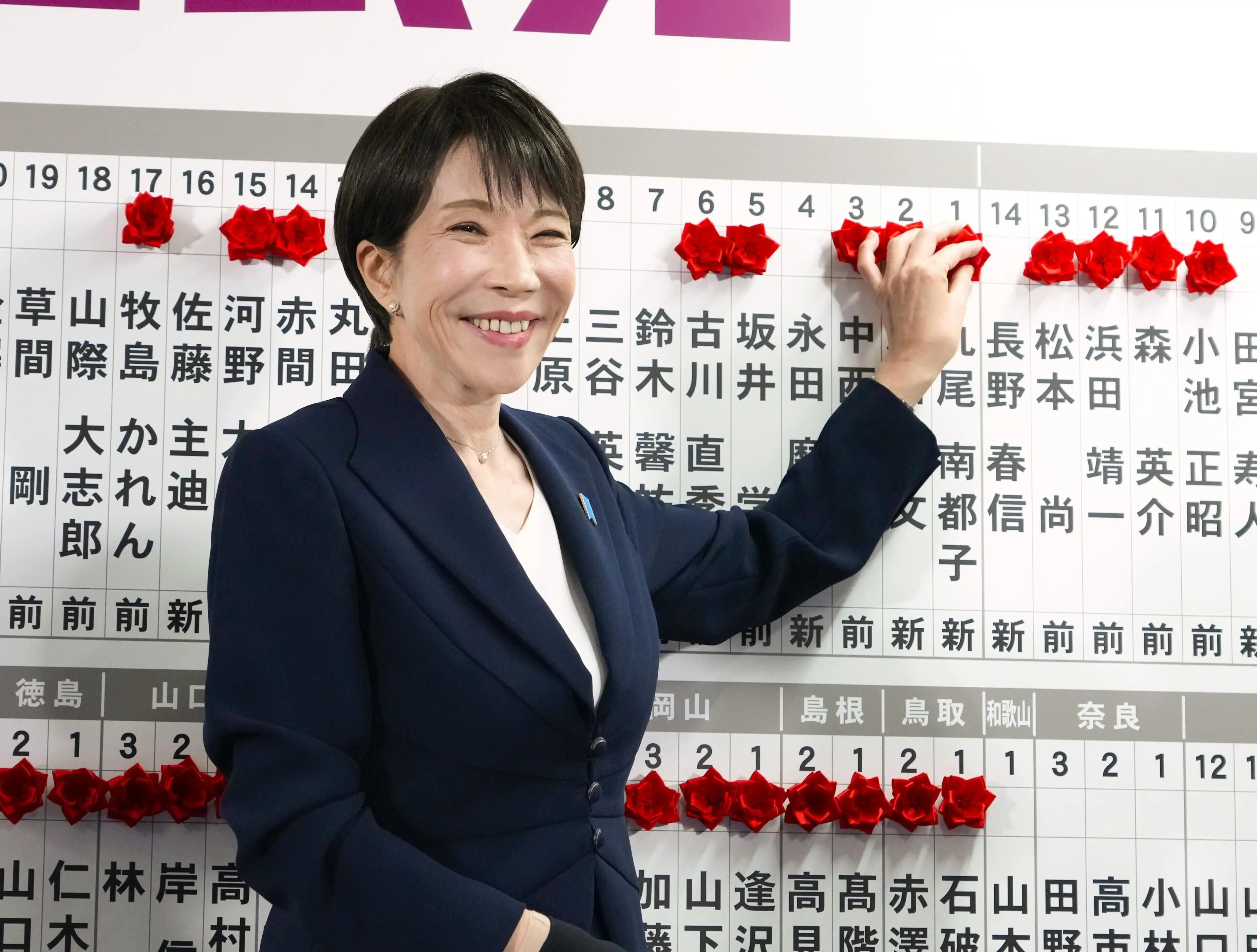
Japan has eased administrative pressure on companies to keep monthly overtime within 45 hours, effective September 1, 2026, as the government seeks to address a worsening labour shortage and support economic growth. The move, introduced under Prime Minister Sanae Takaichi’s government, affects how labour authorities advise businesses rather than removing Japan’s statutory overtime limits.
While businesses in sectors such as construction, transport and hospitality have welcomed greater flexibility, trade unions and labour advocates have raised concerns that the policy could encourage longer working hours and weaken Japan’s efforts to tackle its long-standing problem of overwork. The change has therefore reignited a wider debate over whether Japan can boost productivity and fill labour gaps without reviving the toxic work culture associated with karoshi, or death from overwork.
What has Japan changed?
From September 1, Japanese labour standards inspection offices will no longer uniformly urge companies to keep overtime within the 45-hour monthly level.
The government says the change does not remove Japan’s statutory overtime limits. Instead, it changes how authorities supervise and advise companies that are operating legally under labour-management agreements. Japan’s labour ministry said it will continue enforcing existing overtime regulations and will pay closer attention to measures designed to protect workers’ health.
The change follows calls from business groups for greater flexibility as companies struggle with staffing shortages, particularly in industries such as construction, transport and hospitality.
Why is Japan easing overtime guidance?
Japan is facing a persistent labour shortage linked partly to its ageing and shrinking working-age population.
The government argues that businesses need greater flexibility to respond to demand and maintain operations when they cannot find enough workers. A Japan Chamber of Commerce and Industry survey cited in reports found that around 20 per cent of small and medium-sized businesses considered the previous administrative pressure around the 45-hour level restrictive, particularly in short-staffed sectors.
The change is therefore being presented as an economic and labour-market measure rather than a complete removal of overtime regulation.
ALSO READ | Parandur is out, CM Vijay’s airport hunt narrows to these 2 sites
What is the 45-hour overtime rule?
Japan's labour framework generally limits overtime to 45 hours per month and 360 hours per year under Article 36 labour-management agreements. Special provisions can permit additional overtime under exceptional circumstances, subject to further limits.
This distinction is important. The September 2026 change means authorities will no longer apply the 45-hour level as a uniform administrative target in their guidance. It does not mean Japanese companies are suddenly free to require unlimited overtime.
The labour ministry has specifically said that the underlying overtime ceiling remains in place and that it will intervene where excessive work poses health risks.
Why Japan has a reputation for long working hours
Japan's work culture has long been associated with dedication to employers, long hours and a strong emphasis on workplace commitment.
The term karoshi, meaning death from overwork, became internationally recognised as excessive working hours emerged as a major labour and public-health concern.
Japan's work-style reforms were introduced partly to address this problem. The 2018 legislation introduced legally binding overtime limits, with the main 45-hour monthly and 360-hour annual limits taking effect from 2019 for large companies and 2020 for small and medium-sized businesses.
The reforms were intended not only to reduce excessive working hours but also to change workplace expectations and improve work-life balance.
The human cost of Japan's workaholic culture
The debate over overtime is closely linked to cases of workers suffering serious health consequences after prolonged working hours.
One of the most prominent cases involved a young employee at advertising company Dentsu whose suicide in 2015 became a major catalyst for public discussion about excessive work and workplace pressure.
The case intensified pressure for stronger work-style reforms and became part of the wider debate over karoshi and employee wellbeing.
For critics of the latest policy shift, the concern is that reducing administrative pressure could weaken the cultural impact of the reforms even if the legal limits technically remain.
Why some businesses want more overtime flexibility
Japan's labour shortage creates a difficult policy dilemma.
Pros for businesses and the economy
- More flexibility: Companies may be able to respond more quickly to seasonal demand, staff shortages and sudden increases in workloads.
- Support for essential sectors: Industries such as construction, transport and hospitality can face difficulties maintaining operations when staffing levels are low.
- Potentially higher output: Businesses could increase operating capacity when additional labour is temporarily required rather than being forced to reduce activity.
- Better alignment with workplace realities: The government argues that some companies were already using legally permitted special arrangements, making a uniform 45-hour administrative target less practical.
What are the risks for workers?
- Longer hours and burnout
Critics fear that removing the uniform administrative push towards shorter hours could encourage some employers to rely more heavily on overtime.
- Health risks
Long working hours are associated with physical and mental health risks, which is why Japan's work-style reforms placed strong emphasis on preventing karoshi and other overwork-related health problems.
- Weaker work-life balance
If longer hours become culturally acceptable again, workers could face greater difficulty maintaining time for family, childcare, rest and personal activities.
- Pressure on employees
Even when overtime is technically voluntary or agreed through labour-management arrangements, employees may feel pressure to work longer hours in workplaces where long hours are rewarded or implicitly expected.
What are the possible benefits of Japan's work culture?
Japan's traditional emphasis on discipline, reliability and commitment has also contributed to strengths in several workplaces.
A strong sense of responsibility can encourage punctuality, attention to detail and consistency. Team-oriented working practices can also help organisations maintain coordination and service standards.
However, these benefits do not necessarily require excessive working hours. Japan's recent work-style reforms have increasingly focused on improving productivity and changing workplace practices rather than simply measuring commitment through time spent at work.
What are the disadvantages of the traditional work culture?
The long-hours model can come with significant costs.
Excessive overtime can contribute to fatigue, stress and reduced personal time. It can also make it harder for employees to balance work with family responsibilities.
There is also a productivity question. Simply increasing the number of hours worked does not necessarily produce proportionally higher output. A 2026 academic study of Japan's overtime reforms found that the effects of regulation varied considerably among workers, with stronger effects among employees who had been at higher risk of excessive overtime.
Japan's work-life balance debate
Japan has spent years trying to move from a culture where long hours were often seen as evidence of commitment towards one where productivity and wellbeing are given greater weight.
The country's work-style reform agenda has also been linked to wider demographic challenges. Improving working conditions can make employment more sustainable for older workers, parents and people who might otherwise leave the workforce.
The OECD has previously identified the reduction of excessive overtime as an important part of improving working conditions in Japan.
Why the Takaichi factor matters
The policy change has attracted additional attention because Prime Minister Sanae Takaichi has publicly described herself as a workaholic.
Her government has linked the relaxation of overtime guidance to economic growth and the need to address labour shortages. That has created a political contrast between the administration's push for greater economic flexibility and critics' concerns about protecting workers from excessive hours.
What happens next?
The key question will be how Japanese companies use the additional flexibility.
The labour ministry says it will continue enforcing the existing overtime limits and will take action where there is a high risk of health problems caused by excessive work.
For businesses, the change could provide greater room to manage staffing shortages. For workers, however, the impact will depend on whether companies use that flexibility to address genuine operational needs or rely on longer hours instead of improving staffing and productivity.
The debate ultimately reflects a broader question facing Japan: can the country increase economic output and deal with labour shortages without returning to the extreme work culture that earlier reforms were designed to change?