The double helix with dual standard: James Watson and his controversial, aggressive sexism
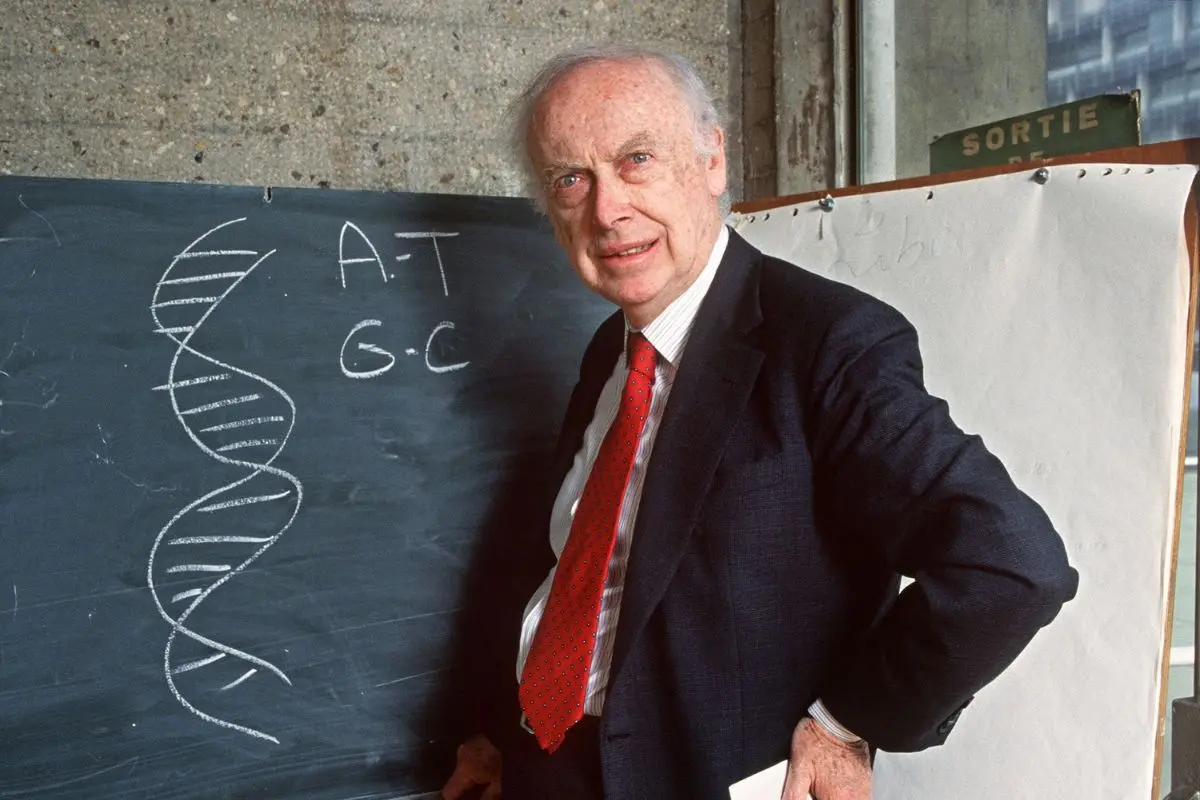
New York: James Watson, who passed away on Saturday, remains a figure emblematic of groundbreaking scientific achievement intertwined with troubling sexism. He is best known for co-developing the Watson and Crick model of DNA’s double helix with Francis Crick in 1953, a discovery that revolutionised biology and medicine by revealing the molecular structure carrying genetic information. This breakthrough laid the cornerstone for modern genetics, genetic engineering, and medical research.
However, the narrative of this achievement also underscores deep gender biases and intellectual overshadowing. Dr Rosalind Franklin, a brilliant X-ray crystallographer, produced critical Photo 51 data instrumental in deciphering DNA’s structure, but did not receive due credit during her lifetime. In his 1968 book, 'The Double Helix,' Watson referred to Franklin with the diminutive nickname “Rosy,” criticised her appearance, and implied she lacked femininity, writing that she "did not emphasise her feminine qualities" and mocked her for unappealing dresses, thereby undercutting her vital contributions.
Watson and Crick had accessed her data without her direct knowledge or consent, and her pivotal role was largely marginalised amid the rampant sexism of the time, depriving many talented women of deserved recognition.
Watson’s legacy is further tainted by his openly sexist remarks that sparked major backlash and highlighted persistent challenges for women in science. In a 2012 forum, he said, “I think having all these women around makes it more fun for the men, but they’re probably less effective.” In a 2003 documentary, he stated, “People say it would be terrible if we made all girls pretty, I think it would be great.”
His sexism extended beyond dismissive comments; he proposed women should have the option to abort fetuses found to carry a "gay gene" and made disparaging remarks about women’s effectiveness in science. These views led to widespread condemnation and contributed to Cold Spring Harbour Laboratory severing ties with him in 2007, citing his repeated public statements as “reprehensible” and unsupported by science.
Despite this controversy, Watson’s scientific achievements were formally recognised when he, Crick, and Maurice Wilkins were awarded the 1962 Nobel Prize in Physiology or Medicine for their groundbreaking work in elucidating the structure of DNA.