Israel claims blow to Iran’s atomic weaponry development as IDF strikes Taleghan nuclear site
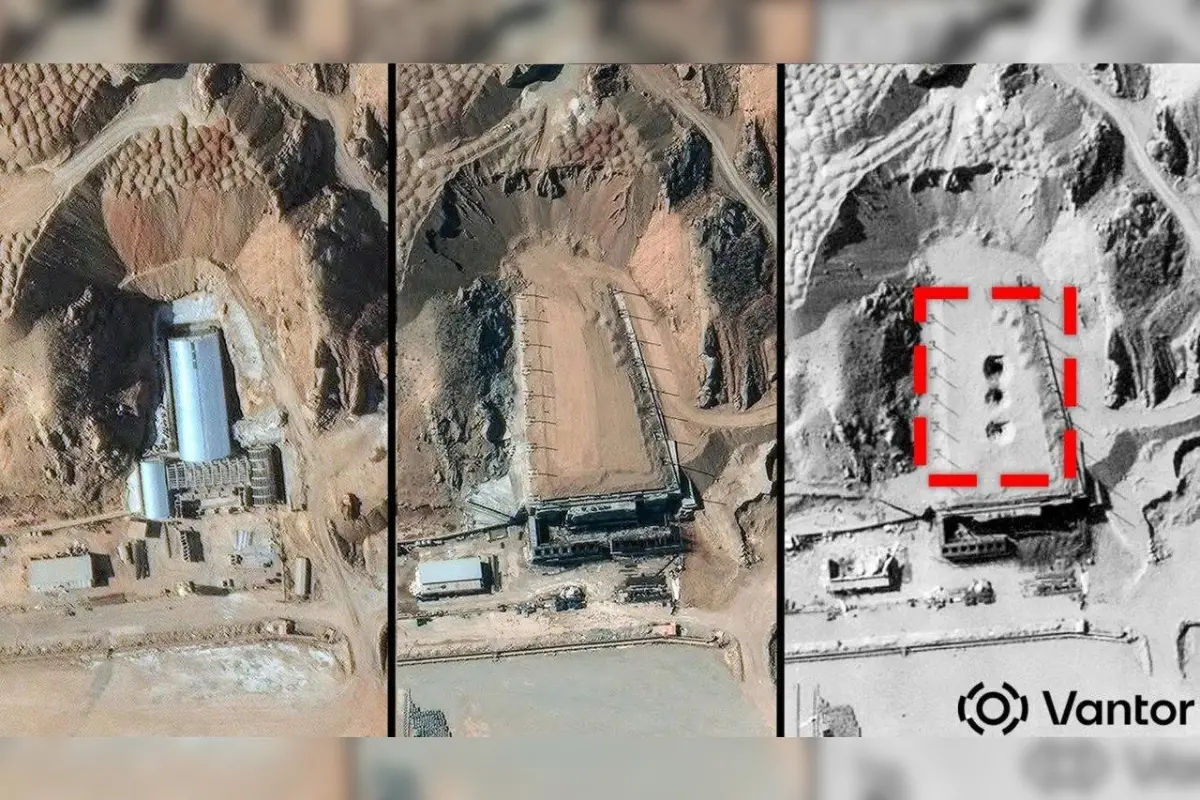
Jerusalem: The Israeli military announced on Thursday that its air force struck a sensitive facility in Iran that it claims was being utilised to advance the development of nuclear weaponry.
According to a statement from the Israel Defence Forces (IDF), the operation targeted the Taleghan compound, a site Israel asserts the Iranian regime was using to "advance critical capabilities for developing nuclear weapons." The strike, guided by "precise IDF intelligence," follows recent observations that Iran had attempted to restore the facility after it was previously damaged in October 2024.
The Taleghan compound is situated within the Parchin military complex, located southeast of Tehran. The facility has long been under the scrutiny of international monitors, including the Institute for Science and International Security, which has identified it as a hub for covert military activities.
Escalating Campaign Against Tehran
This latest strike is part of a broader, 13-day military campaign by Israel and the United States aimed at neutralising what they describe as an "existential threat" from Iran's nuclear and ballistic missile programs.
- Prior Strikes: Earlier this month, the IDF targeted the underground Minzadehei compound on Tehran's outskirts, where scientists were allegedly developing key nuclear weapon components.
- Scientific Tracking: Military officials stated they have been continuously monitoring the movements of Iranian nuclear scientists, allowing for "precise strikes" on new research locations.
- Historical Context: The joint offensive began on Feb. 28, following the failure of diplomatic negotiations and reports that Tehran had accelerated its enrichment activities.
Iran's Stance and Regional Fallout
Iran has consistently maintained that its nuclear program is exclusively for civilian purposes and has denied any ambition to produce atomic weapons. However, Israeli intelligence officials argue that Tehran intensified its efforts following a brief 12-day conflict in June 2025, which saw the destruction of three other enrichment and research facilities.
The ongoing strikes have fundamentally destabilised the region, leading to retaliatory Iranian attacks on shipping lanes in the Strait of Hormuz and energy infrastructure in neighbouring Gulf states. International observers note that while the air campaign has significantly degraded Iran's technical infrastructure, the geopolitical situation remains at a tipping point.
With inputs from AFP