Over half of Israelis reject Netanyahu re-election; political shake-up brewing
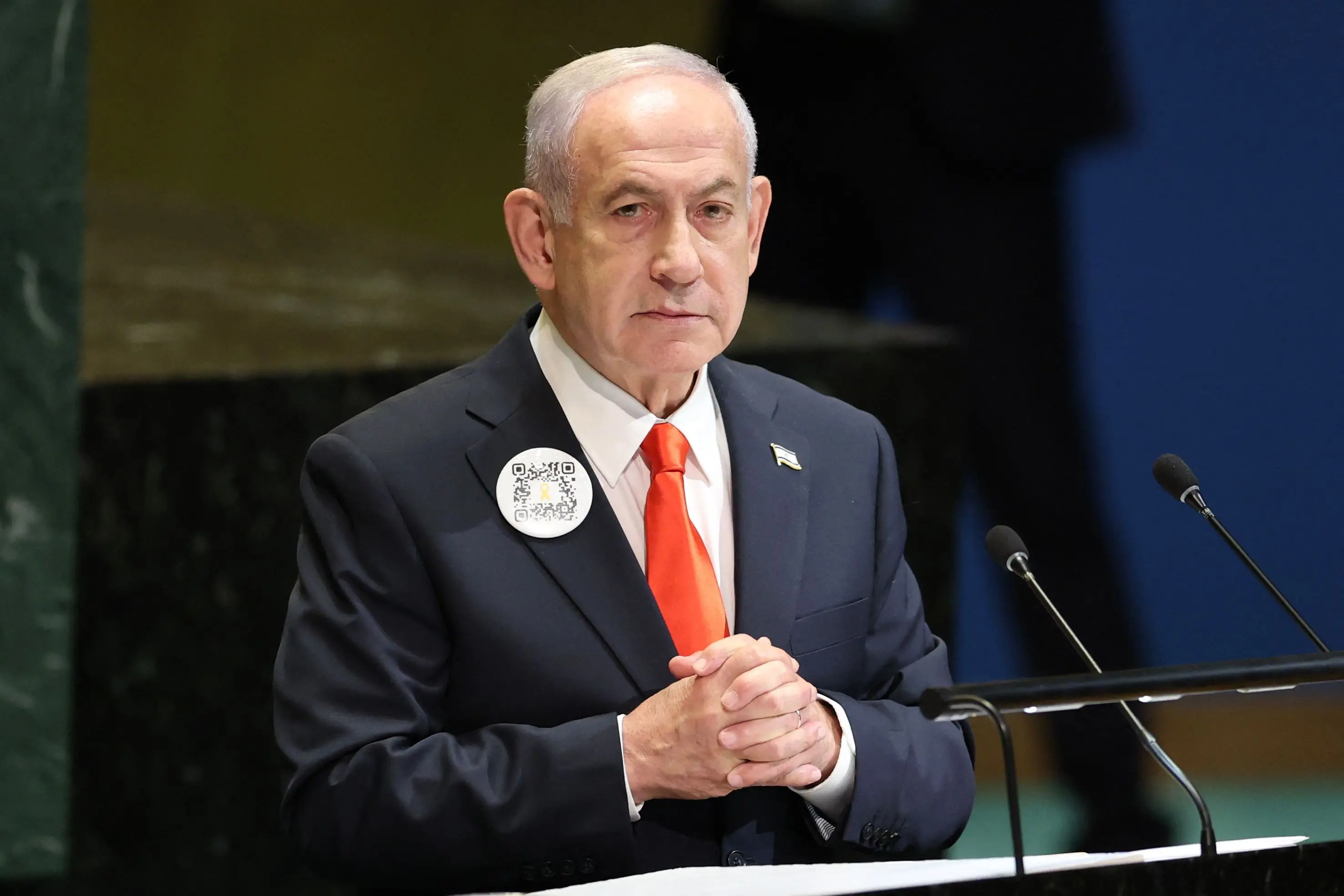
Jerusalem: A recent Channel 12 poll indicates that a majority of Israelis—52%—believe Prime Minister Benjamin Netanyahu should not contest the upcoming 2026 elections, while 41% support his candidacy and 7% remain unsure. Among voters uncertain about Netanyahu’s successor, former Mossad chief Yossi Cohen emerged as the top choice within the Likud party with 10%, followed by ministers Ron Dermer and Israel Katz.
The poll also highlights opposition preferences, with 44% supporting former Prime Minister Naftali Bennett as leader of the opposition bloc. These results reflect growing public scrutiny of Netanyahu amid legal challenges, mounting criticism, and uncertainty over Israel’s political direction.
Earlier surveys indicate a slight decline in Netanyahu’s coalition strength in the Knesset, with projections showing 50 seats if elections were held today—short of the 61 needed for a majority. The opposition bloc would gain 59 seats, still falling short, while Arab parties are projected to secure 11 seats. Opposition leaders have ruled out alliances with Arab parties to form a government.
Reports suggest Netanyahu may move the general elections forward to June 2026, though no official confirmation has been issued. Having served five non-consecutive terms, Netanyahu remains Israel’s longest-serving Prime Minister, despite facing multiple corruption charges and an ICC arrest warrant issued in November 2024 for alleged war crimes in Gaza.
Israelis are showing increasing hesitation over Prime Minister Benjamin Netanyahu’s potential re-election bid in 2026. The Channel 12 poll reveals that a slight majority of voters oppose his candidacy, while support persists among 41%. Within Likud, former Mossad chief Yossi Cohen is the preferred alternative for 10% of respondents, signalling a possible shift in leadership preferences should Netanyahu step aside.
The survey further underscores growing support for opposition leadership, with Naftali Bennett favoured by 44% of voters. Netanyahu’s coalition faces a projected reduction in Knesset seats, with 50 currently indicated against the 61-seat majority threshold. The opposition bloc is projected at 59 seats, while Arab parties would hold 11. Opposition parties maintain their refusal to partner with Arab factions in forming a government.
Amid these domestic challenges, Netanyahu continues to face international scrutiny, including an ICC arrest warrant for alleged war crimes in Gaza. While plans to advance elections to June 2026 have been reported, formal announcements remain pending. Netanyahu’s long tenure, five non-consecutive terms, and ongoing legal battles make the political landscape increasingly uncertain as Israel approaches the next electoral cycle.