Cash envelopes, Ra’am voting slips fuel election bribery row as Netanyahu’s Likud targets Arab parties
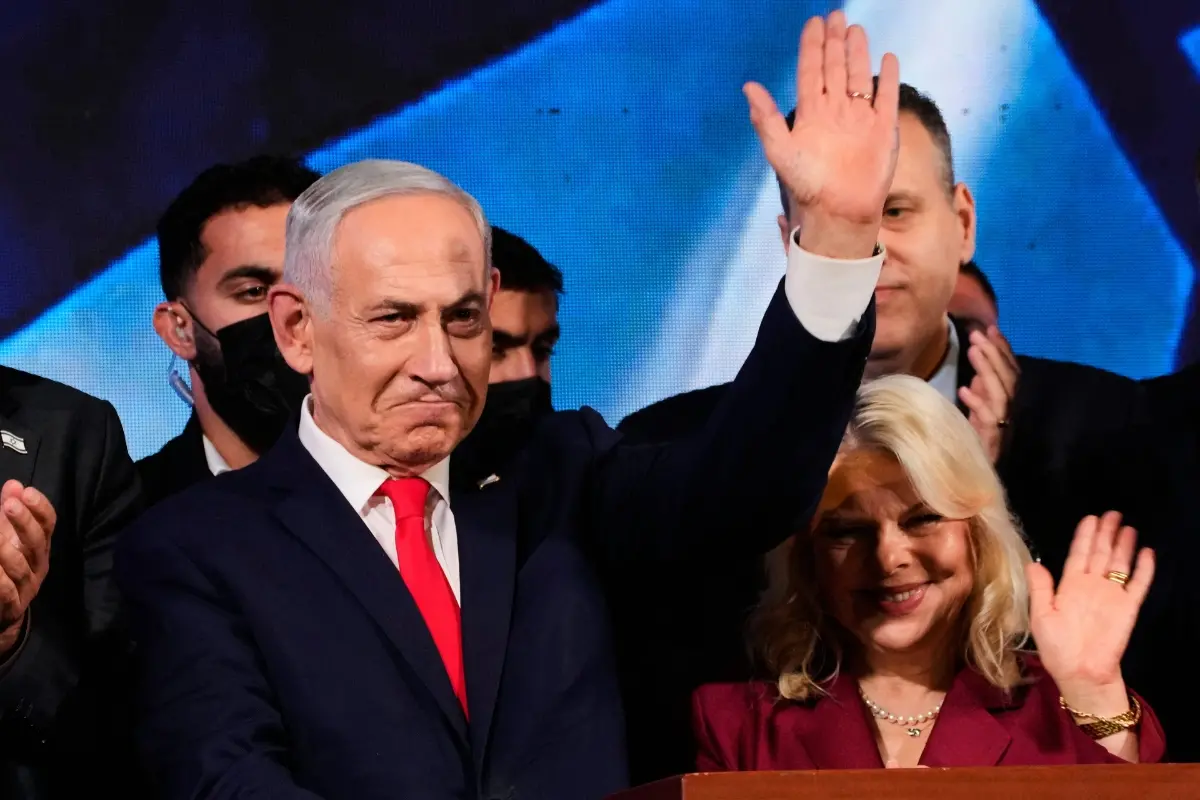
Israel’s election has been overshadowed by allegations of voter bribery and electoral fraud after Prime Minister Benjamin Netanyahu’s Likud party accused Arab-led political parties of stealing the vote, citing claims involving cash-filled envelopes, Ra’am ballot slips and suspected irregularities at polling stations.
The controversy has prompted demands for investigations, while Israeli police have said they have found no investigative or intelligence evidence to support Likud’s broader claims that the election was stolen.
The allegations have intensified scrutiny of Arab-led parties after their strong performance in the October 27, 2026, election.
Reports of suspected cash-for-votes activity involving Ra’am, led by Mansour Abbas, have added to the political dispute, with authorities examining specific allegations separately from the wider accusations made by Likud.
The investigation has also expanded to include suspected foreign funding. Central Elections Committee Chairman and Supreme Court Justice Noam Sohlberg has directed Shin Bet chief David Zini to investigate suspicions that foreign entities may have attempted to influence voting in Israel’s Arab sector. Media reports have named Qatar and Turkey as possible sources of funds, but they have not established their alleged involvement.
Netanyahu’s Likud alleges election theft by Arab parties
On Wednesday, October 28, Likud accused Arab parties of manipulating the election through alleged bribery, threats, violence, forgery and other electoral offences.
The party said it would submit hundreds of testimonies and pieces of evidence to the Israel Police, Shin Bet and Central Elections Committee, demanding an immediate investigation into suspected irregularities.
Likud's allegations included envelopes containing cash alongside Ra’am ballot slips, intimidation of polling station officials, multiple people entering voting booths together, voting under duplicate identities, and discrepancies between the number of voters and ballot envelopes. The party also alleged the use of prohibited software to mobilise voters.
Likud described the alleged incidents as a serious attack on Israeli democracy and demanded that law enforcement agencies identify and prosecute anyone found responsible. However, the allegations do not establish that Arab parties collectively manipulated the election, and the party’s claims of widespread election theft have not been substantiated publicly.
The accusations come amid a significant electoral performance by Arab-led parties. Ra’am and the Joint List were projected to win 19 seats combined in the 120-member Knesset, according to post-election reports.
Their gains could make them influential in negotiations over the next government, as neither Netanyahu’s bloc nor the opposing Jewish-led parties are projected to secure a majority on their own.
Cash envelopes and Ra’am ballot slips under scrutiny
Allegations of election bribery have become central to the controversy. Israeli media reported that three Bedouin men were arrested before polling began on October 27 on suspicion of attempting to bribe voters to support Ra’am. Police said they found cash-filled envelopes during searches of the suspects’ homes, and later transferred the case to Lahav 433, Israel’s national serious-crime investigation unit.
The allegations have since drawn further attention following reports that four additional suspects were being questioned on Thursday in connection with suspected election bribery involving envelopes of cash. The reports form part of the wider investigation into alleged attempts to influence votes, although the precise circumstances and responsibility for the alleged offences remain subject to investigation.
Ra’am has rejected the accusations surrounding the earlier arrests, describing them as politically motivated and arguing that they were intended to undermine the party and suppress Arab voter participation.
The allegations and the party’s response underscore the growing dispute over whether authorities are accurately investigating specific incidents of suspected wrongdoing or using them to challenge the legitimacy of Arab political representation.
The distinction matters because allegations of bribery involving individual suspects do not, by themselves, prove that an entire political party orchestrated electoral fraud.
Authorities have not yet publicly established that the alleged incidents changed the overall election result.
Shin Bet probes suspected foreign funding as police reject wider claims
The controversy took another turn on Thursday after Sohlberg instructed Shin Bet chief David Zini to investigate suspected foreign funding and interference in the electoral process. In his directive, Sohlberg referred to what he described as ‘severe suspicions’ of improper foreign influence by entities allegedly acting against Israeli interests.
The Shin Bet has been asked to use its investigative powers to determine whether the allegations are substantiated.
Investigators are examining suspected funding channels, including reports of possible links to networks previously associated with terrorist organisations. Media reports have identified Qatar and Turkey as possible sources, but no publicly established finding has confirmed that either country financed election interference.
However, law enforcement has resisted the broader allegations made by Netanyahu’s Likud.
On Thursday, Israel Police said there was no investigative or intelligence evidence supporting the claim that the election had been stolen.
The police statement also said election day saw relatively few unusual incidents involving electoral integrity.
The investigation is therefore examining two related but distinct issues: specific allegations of bribery and electoral misconduct, and suspicions that foreign actors may have tried to influence voting through funding.
Neither the existence of an investigation nor the submission of complaints proves that the alleged offences occurred on the scale claimed by Likud.
The dispute also carries significant political implications. With Arab-led parties projected to hold a stronger position in the next Knesset, the allegations have become intertwined with negotiations over government formation.
Opposition leader Gadi Eisenkot has called for a thorough examination of the complaints while warning against political actors exploiting the investigation to influence the timing of the next Knesset’s swearing-in.
For now, the focus remains on whether investigators can establish evidence of individual offenses, identify any funding sources, and determine whether the alleged incidents affected the electoral process.
Until those questions are answered, claims of widespread election theft and foreign-backed interference remain allegations rather than established findings.