Israel election: President Herzog to announce PM mandate recipient on Sunday
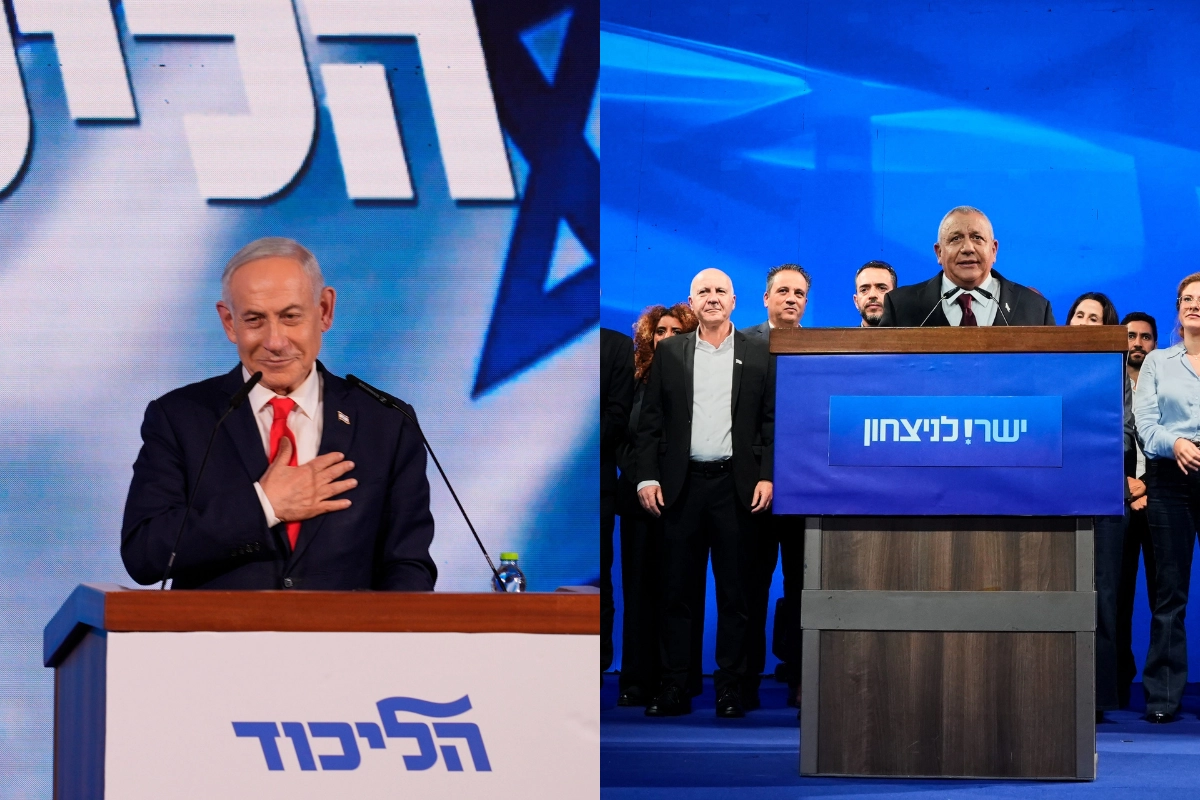
Jerusalem: Israeli President Isaac Herzog will formally announce on Sunday his choice of candidate to attempt to form the country's next coalition government. The upcoming announcement follows the conclusion of intensive consultations at the President's Residence with delegations representing all political factions elected to the 26th Knesset.
The recent October 27 parliamentary elections yielded a split electorate, leaving neither caretaker Prime Minister Benjamin Netanyahu's nationalist-religious bloc nor the opposition Change bloc led by former military chief Gadi Eisenkot with an immediate 61-seat majority in the 120-member parliament. Certified results confirmed a total voter turnout of 77.7 per cent, with central election authorities dismissing initial procedural fraud claims to officially ratify the tally.
ALSO READ: Israel election: Arab parties could help opposition oust Netanyahu
Opposition Chief Eisenkot Leads Faction Recommendation Tally
During formal consultation sessions that wrapped up on Thursday, Yashar party leader Gadi Eisenkot gained a key mathematical edge over Netanyahu in the official recommendation count submitted to the presidency. Eisenkot secured decisive endorsements from opposition allies along with recommendations from Arab-majority factions, including the Joint List and the Islamist Ra'am party.
The endorsements push Eisenkot's backing ahead of Netanyahu’s core nationalist alliance, which won 53 seats collectively. While support from Arab-led factions does not guarantee an immediate formal coalition agreement, the tally establishes Eisenkot as the frontrunner to receive the primary mandate from Herzog to commence initial government-building negotiations. Meanwhile, the ultra-Orthodox faction United Torah Judaism (UTJ) abstained from endorsing either candidate during their audience with the president.
Broad Coalition Bargaining and Parliamentary Deadlock Rules
The upcoming mandate recipient will receive an official 28-day window to assemble a viable parliamentary majority. Political strategists expect complex, multi-sided negotiations over key policy hurdles, including military conscription legislation and civil authority structures, as parties attempt to build a stable governing alliance.
If the designated candidate fails to secure a 61-seat majority within the statutory deadline, the president may assign the task to a rival figure or return the mandate directly to the Knesset. As the 26th Knesset prepares for its inaugural swearing-in session on Tuesday, caretaker Prime Minister Netanyahu remains in office until a new government completes a successful confidence vote, with the prospect of fresh national elections looming should coalition talks founder.