‘Leave our region if you want to be safe’: Iran warns US after American strikes
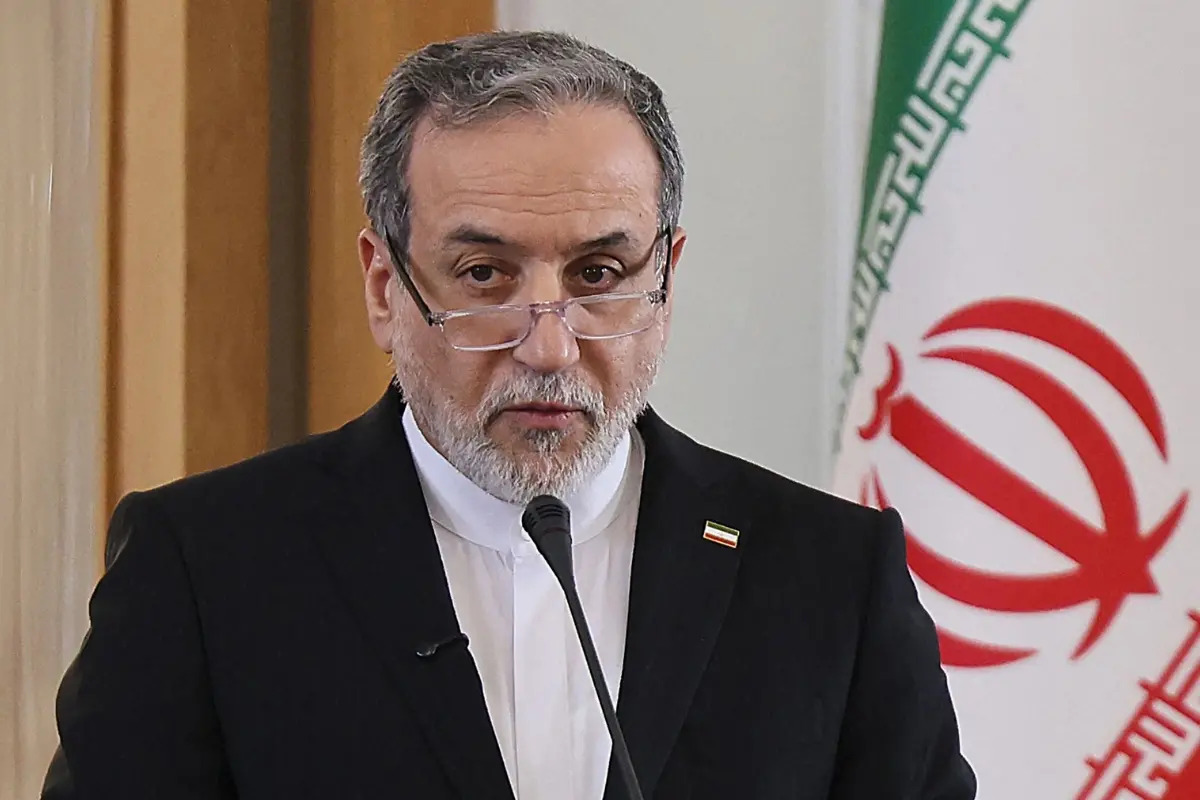
Iran has issued a stark warning to the United States, urging American forces to leave the Persian Gulf region "if you want to be safe," after Washington launched military strikes against Iranian targets in response to the reported downing of a US Army Apache helicopter.
The warning from Iranian Foreign Minister Abbas Araghchi marks a sharp escalation in rhetoric as tensions between Tehran and Washington intensify alongside the broader conflict involving Iran and Israel.
In a strongly worded message posted on X, Araghchi said Iran's armed forces would respond to any attack or threat against the country and cautioned that foreign military powers operating in the Persian Gulf have historically faced severe consequences.
"Leave our region if you want to be safe," he said, adding that Iran would not allow any aggression to go unanswered.
The remarks came shortly after the US military confirmed it had launched what it described as "self-defence strikes" against Iran. According to US Central Command (CENTCOM), the operation began at approximately 5 p.m. Eastern Time and was ordered by the Commander in Chief following the downing of a US Apache helicopter.
CENTCOM said the strikes were intended as a proportional response to what it called "unjustified Iranian aggression."
The latest confrontation follows claims that Iranian forces shot down an American Apache helicopter while it was conducting patrol operations over the strategically vital Strait of Hormuz, one of the world's most important energy shipping routes.
US President Donald Trump confirmed the incident, saying he had been informed by military officials that the helicopter was brought down during the patrol mission. Trump noted that both pilots survived the incident without injuries but stressed that the United States would respond.
"The United States must, of necessity, respond to this attack," Trump said in a statement posted on Truth Social.
With both Washington and Tehran publicly signalling readiness to retaliate, concerns are mounting that the latest military exchanges could trigger a broader regional confrontation.
With ANI inputs