Hormuz will never be the same again, Iran warns after US talks: What does that mean?
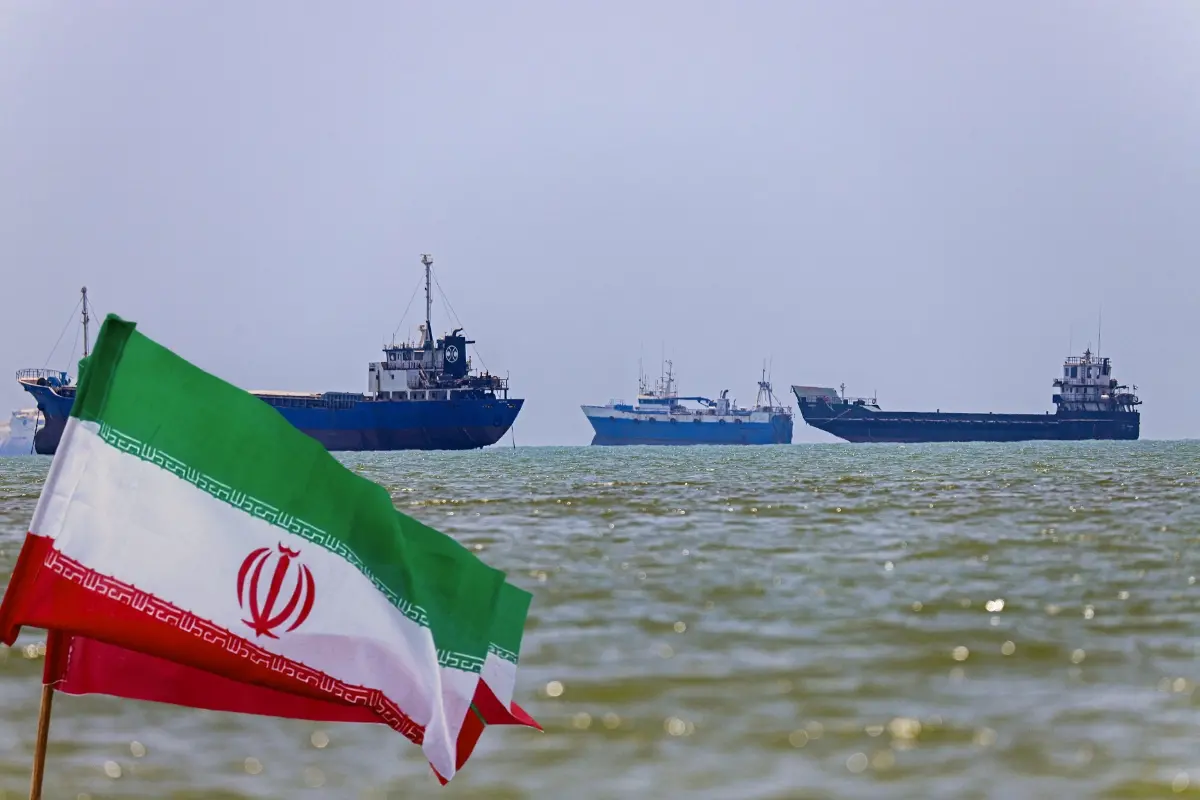
Tehran: Hormuz will never return to pre-war status, Iran says as Tehran claims administration of key waterway
Iran says strategic shipping route will remain under its management despite international oversight
Tehran: Iran's Parliament Speaker Mohammad Bagher Ghalibaf has declared that the Strait of Hormuz will never return to its pre-war operational framework, signalling what could be a significant shift in the management of one of the world's most important maritime routes.
The remarks came after Ghalibaf returned from Switzerland, where Iranian and US officials held the first round of technical talks aimed at implementing a broader agreement designed to reduce tensions and end ongoing hostilities in the region.
According to Iranian state media, Ghalibaf said Iran would continue to respect international regulations governing maritime navigation but insisted that Tehran would administer the strait going forward.
"The Strait of Hormuz will never return to its pre-war conditions and will be administered by the Islamic Republic of Iran, in accordance with international law."
The statement is among Iran's strongest public assertions regarding the future of the strategic waterway since the conflict involving Iran, the United States and Israel escalated earlier this year.
Why the Strait of Hormuz matters
The Strait of Hormuz is one of the most strategically important waterways in the world. Located between Iran and Oman, it connects the Persian Gulf to the Gulf of Oman and the Arabian Sea.
A significant share of the world's oil and liquefied natural gas exports passes through the narrow passage every day. Any disruption to shipping in the strait can affect global energy supplies, international trade and oil prices.
Because of its importance, developments in Hormuz are closely watched by governments, energy markets and shipping companies worldwide.
Comments follow Iran-US talks in Switzerland
Ghalibaf's remarks came after technical discussions between Iranian and American officials in Switzerland as part of a wider diplomatic process intended to reduce regional tensions.
The negotiations are linked to a 14-point memorandum of understanding reached between Tehran and Washington following months of conflict and military escalation across the Middle East.
Speaking after the talks, Ghalibaf described the discussions as productive and said they had produced "good achievements" on several key issues.
These reportedly included:
- The future administration and operation of the Strait of Hormuz
- Security arrangements related to Lebanon
- Oil sanctions and waivers
- The release of frozen Iranian assets
- Broader regional de-escalation efforts
Despite describing the talks positively, Ghalibaf cautioned that negotiations remain in the early stages and that further diplomatic engagement would be necessary.
Iran and US establish communication channel for Hormuz
One of the most significant reported outcomes of the talks was an agreement between Tehran and Washington to establish direct communication mechanisms regarding the Strait of Hormuz.
According to mediators involved in the negotiations, the communication channel is intended to prevent misunderstandings, reduce the risk of incidents and ensure the safe movement of commercial shipping through the waterway.
The move comes after repeated concerns that military tensions in the region could threaten maritime traffic and energy supplies.
Shipping trackers reported that vessel movements through the strait continued after the latest diplomatic breakthrough, with traffic levels recovering compared to periods of heightened tension.
Closure and reopening of the strategic waterway
The status of the Strait of Hormuz has become a major issue during the conflict.
Iran initially closed the waterway after the outbreak of hostilities, citing security concerns and military developments in the region.
The strait was later reopened following diplomatic contacts between Tehran and Washington.
However, Iranian authorities subsequently announced another closure in response to Israeli military actions in Lebanon, once again raising fears of disruptions to global shipping.
The latest negotiations appear aimed at preventing future interruptions while addressing wider regional disputes.
Sanctions relief and frozen assets discussed
Ghalibaf also highlighted economic issues discussed during the Switzerland talks.
According to Iranian accounts of the negotiations, discussions covered the easing of restrictions on Iranian oil exports and the release of Iranian funds that remain frozen abroad.
The developments come after reports that the United States temporarily suspended certain sanctions following commitments related to nuclear monitoring and broader diplomatic engagement.
Iranian officials view sanctions relief and access to frozen assets as important components of any long-term agreement with Washington.
Iran reiterates distrust of the United States
Despite the diplomatic progress, Ghalibaf emphasised that Iran remains sceptical about American intentions.
He stated that Tehran has historically distrusted Washington and continues to maintain that position even while engaging in negotiations.
The speaker argued that diplomacy should continue but warned against assuming that recent talks had fundamentally changed Iran's view of the United States.
His comments reflect the longstanding mistrust that has shaped relations between the two countries for decades.
Lebanon and regional stability remain central issues
The Iranian speaker also linked the talks to developments in Lebanon and broader regional security concerns.
He claimed that Iran's participation in the Switzerland negotiations helped prevent further violence and created opportunities for de-escalation.
According to Iranian officials, discussions included Lebanon's territorial integrity, ceasefire arrangements and measures intended to reduce the risk of a wider regional conflict.
These issues remain closely tied to the broader diplomatic process underway between Tehran and Washington.
High-Level Committee to prepare roadmap
As part of the agreement reached during the talks, Iran and the United States are expected to establish a High-Level Committee tasked with developing a roadmap towards a broader settlement.
The committee will work on implementing the memorandum of understanding and preparing a framework for a more comprehensive agreement within the next 60 days.
Diplomats involved in the process view the committee as a key mechanism for translating preliminary understandings into concrete actions.
What happens next?
Iran's declaration that the Strait of Hormuz will not return to its pre-war status introduces a new element into Middle East diplomacy and maritime security.
While Tehran insists that international maritime rules will continue to be respected, its assertion that Iran will administer the strait is likely to attract close attention from regional states, global powers and energy markets.
With negotiations still in their early stages, the coming weeks will determine whether the diplomatic momentum generated in Switzerland can be transformed into a lasting agreement capable of stabilising one of the world's most sensitive geopolitical flashpoints.