Iran hits back at Trump’s ‘total control’ claim, says Strait of Hormuz remains blocked
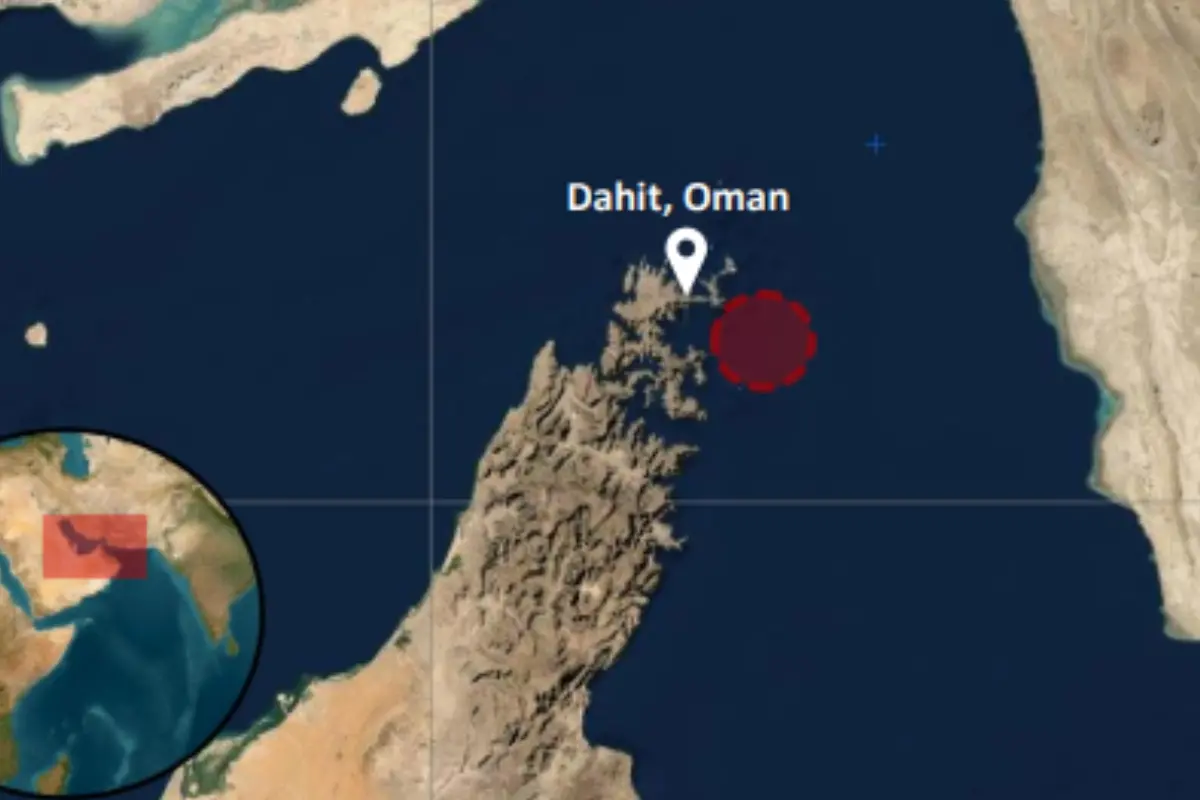
Iran has rejected US President Donald Trump’s claim that the United States has “total control” over the Strait of Hormuz, insisting that the strategic waterway remains blocked and will not be reopened until Tehran’s conditions are accepted.
The Persian Gulf Strait Authority (PGSA), in a post on X, dismissed repeated statements from Trump and other US officials that the Strait of Hormuz was no longer blocked.
“Claims and repeated posts by U.S. officials that the Strait of Hormuz is no longer blocked do not change the reality: the Strait of Hormuz remains blocked and will not be reopened until Iran's conditions are accepted,” the PGSA said.
Trump claims US has ‘total control’ of Hormuz
Iran’s response came hours after Trump claimed on Truth Social that the US had “total control” over the Strait of Hormuz and would retain it.
“The U.S.A. has total control over the Strait of Hormuz. I THINK WE WILL KEEP IT!” Trump said, describing the US naval deployment in the region as a “WALL OF STEEL”.
“There is nothing Iran can do about it,” he added.
Trump also claimed that Iran’s military infrastructure had been severely degraded and accused Tehran of having “fake news” and high inflation. He ended the post with the phrase, “Praise be to Allah!”
Iran sets conditions for reopening Strait
Iran’s newly appointed head of the Supreme National Security Council, Mohsen Rezaei, also said Tehran would not fully reopen the Strait until the United States meets its conditions.
In a post on X, Rezaei said Iran wants the US to end the war and blockade, release Iran’s frozen assets and agree to a region-wide ceasefire covering Lebanon and Gaza.
“IRAN's message is clear: the Strait of Hormuz will not reopen until the U.S. ends the war and blockade, releases Iran's frozen assets, and agrees to a region-wide ceasefire, including in Lebanon and Gaza,” he wrote.
“Until all conditions are met, the Strait will remain closed,” Rezaei added.
Strait of Hormuz remains key point of tension
The confrontation over the Strait of Hormuz comes amid weeks of military exchanges involving Iranian, Israeli and US forces across the region.
The strategic waterway is a major route for global petroleum trade, with nearly 20 per cent of global petroleum trade passing through it. Any prolonged disruption has raised concerns over energy markets and the possibility of a wider regional conflict.
Commercial shipping through the corridor continues under tight security oversight, while the volatile situation has prompted increased naval patrols and adjustments to shipping routes by commercial carriers.
With ANI inputs