Iran’s president heads to New York: War, ‘distrust’ and diplomacy on UNGA agenda
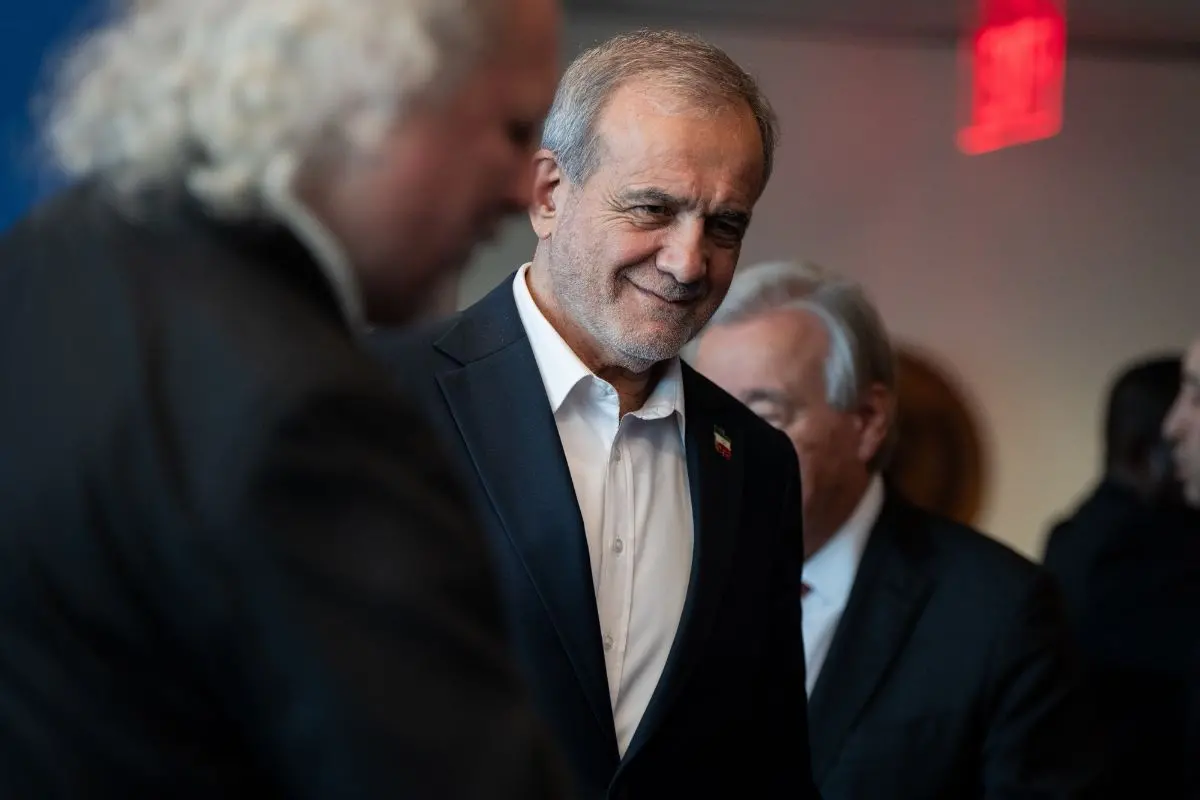
Tehran: Iranian President Masoud Pezeshkian has travelled to New York for the 81st UN General Assembly, where he is expected to present Tehran’s position on the conflict, international commitments and what Iranian officials describe as a loss of trust in global institutions.
Pezeshkian left Tehran on Tuesday for the UN General Assembly’s high-level session. He is scheduled to address the assembly on Wednesday, September 23.
Before his departure, Pezeshkian said Iran would use international forums to present its position and raise what he described as the “distrust” created by countries that, in Iran’s view, had failed to honour commitments.
His comments come as the US-Iran conflict continues and diplomatic efforts remain a major issue at this year's UN gathering. Reuters reported that Washington and Tehran have continued intermittent talks despite the ongoing conflict.
What will Iran raise at the UN?
According to Iranian state media, Pezeshkian plans to discuss what Tehran describes as the suffering of the Iranian people, the consequences of the conflict and international commitments that Iran says were not honoured.
Iranian Foreign Minister Abbas Araghchi, who arrived in New York ahead of Pezeshkian, has also said that Tehran wants to discuss how trust in the United Nations can be restored.
The Iranian position comes against the backdrop of this year's UNGA theme: “Restoring Trust, Managing Transformation: A United Nations That Delivers for All.”
Pezeshkian is scheduled to address the General Assembly on Wednesday, September 23.
The 81st UNGA high-level debate is taking place in New York from September 22-26, with an additional sitting scheduled for September 28. World leaders are expected to address conflicts, global security, climate change, development and other international issues.
Iran's president is among the leaders whose speeches are receiving particular attention because of the ongoing US-Iran conflict.
Why is the US-Iran backdrop significant?
The UN visit comes during continued tensions between Washington and Tehran. The United States has permitted a core Iranian delegation, including Pezeshkian and Araghchi, to attend the UNGA.
However, the delegation is subject to movement restrictions in New York. Reuters reported that its movements will be restricted to areas including UN headquarters, Iran's UN mission, the Iranian ambassador's residence and John F. Kennedy International Airport.
Iranian officials have criticised the restrictions and the reported denial of visas to some members of Pezeshkian's communications team.
What is Iran saying about negotiations?
Pezeshkian and Araghchi have framed the UN visit around Iran's stated concerns about international trust and commitments.
Pezeshkian said Iran had previously gone to the negotiating table and signed agreements but argued that commitments had subsequently not been honoured. These are statements of the Iranian government and represent Tehran's position on the diplomatic record.
The US and Iran have continued to have differing positions over the conflict and negotiations, while the UNGA provides an opportunity for both sides to present their positions before a global audience.
The Strait of Hormuz remains a major issue in the wider confrontation. The waterway is a crucial route for global energy shipments, and disruption there has contributed to volatility in oil markets.
Reuters reported on September 22 that oil prices were moving higher amid expectations of possible diplomatic developments involving the US and Iran during the UNGA, while uncertainty over the conflict remained.