As US-Iran talks stall, Pezeshkian heads to Moscow for Putin meeting
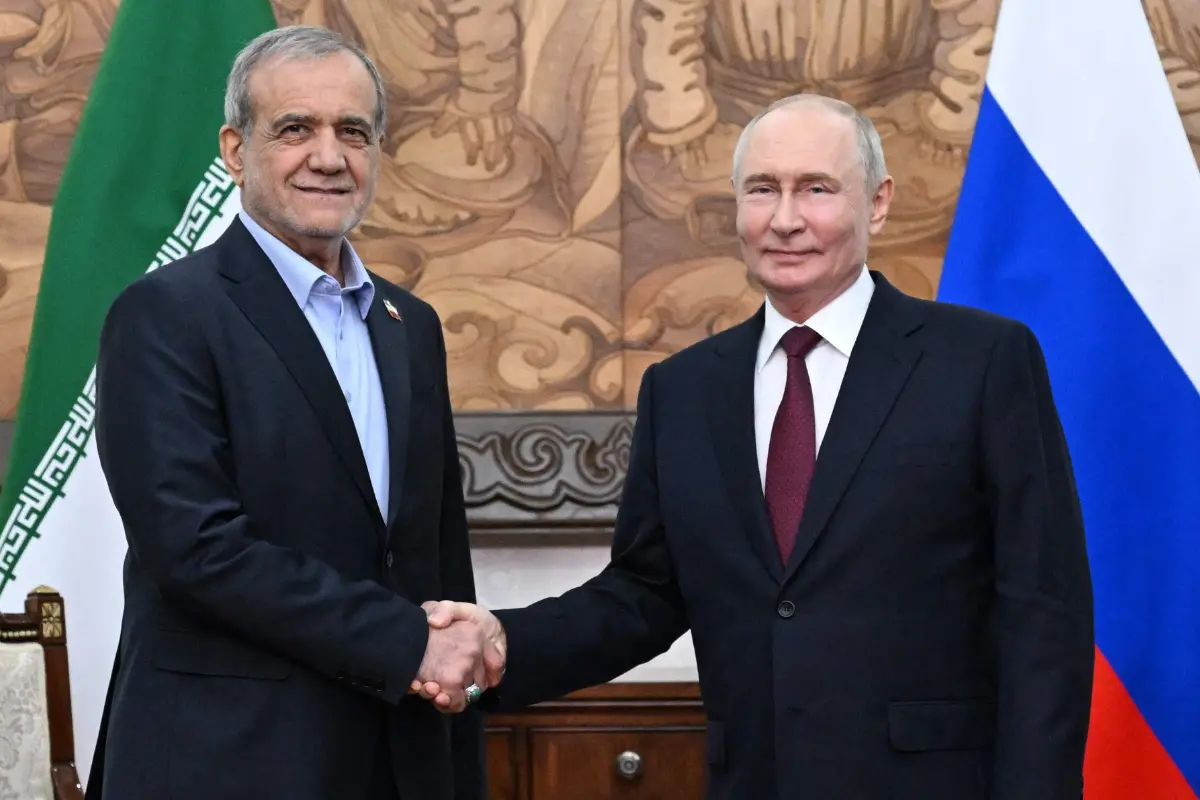
Tehran: Iranian President Masoud Pezeshkian is expected to meet Russian President Vladimir Putin in Moscow next week as the two countries continue consultations on bilateral relations and regional developments.
Iranian Foreign Minister Abbas Araghchi confirmed that discussions between the two countries would continue in Moscow, with both presidents participating. In a statement shared on his Telegram channel, Araghchi said his recent meeting with Russian Foreign Minister Sergey Lavrov in Tehran had covered bilateral relations, regional and international issues, and the implementation of joint agreements.
Araghchi said the two sides had emphasised the importance of continued consultations to protect their common interests and support regional peace and stability.
According to Iran’s Tasnim news agency, Pezeshkian is due to visit Russia for a meeting of gas-exporting countries scheduled for October 27. Iran’s ambassador to Russia, Kazem Jalali, said the two presidents would discuss economic cooperation and geopolitical issues.
Iran and Russia step up diplomatic engagement
The planned meeting follows Lavrov’s recent visit to Tehran, where he held discussions with Araghchi and other Iranian officials. The visit was described by the Iranian foreign minister as evidence of increasingly close cooperation between the two countries.
Russia and Iran have strengthened their relationship in recent years, including following Russia’s full-scale invasion of Ukraine in February 2022. Both countries face extensive Western sanctions, providing an additional incentive to expand economic ties and coordinate on international issues.
The upcoming talks are expected to cover bilateral cooperation, joint agreements and developments in West Asia. However, the precise agenda and any agreements that may emerge from the meeting have not been confirmed in the supplied reports.
War involving Iran, the US and Israel remains a key concern
The meeting comes amid continuing tensions involving Iran, the United States and Israel. Diplomatic negotiations between Washington and Tehran have remained stalled, while threats of renewed military strikes have added to uncertainty over the prospects for a negotiated settlement.
Putin has previously expressed Russia’s willingness to assist diplomatic efforts to resolve the conflict. During a meeting with Pezeshkian in Turkmenistan earlier in October, the Russian president said Moscow was prepared to help Iran address the situation through diplomatic means.
The planned talks in Moscow could provide another opportunity for the two governments to discuss the conflict and exchange views on possible diplomatic approaches. However, Russia’s participation in any mediation effort and the prospects for renewed negotiations will depend on developments among the parties directly involved.
What Pezeshkian and Putin discussed in earlier meetings
The two presidents last met on the sidelines of the Caspian Environmental Summit in Turkmenistan on October 8, according to the supplied report. They also held discussions during a summit in Kyrgyzstan in September.
During their October meeting, Putin highlighted progress in economic relations, saying bilateral trade had increased by more than 21 per cent in 2025, with the positive trend continuing through the first seven months of 2026.
Pezeshkian, meanwhile, reiterated that Iran remained willing to negotiate with Washington despite previous attacks during earlier rounds of engagement. His remarks underscored Tehran’s stated position that diplomacy should continue even amid serious security tensions.
Why the Moscow meeting matters
The meeting reflects the growing importance of Iran-Russia consultations at a time of heightened geopolitical uncertainty. For Tehran, engagement with Moscow offers a channel for discussing economic cooperation, regional security and diplomatic options amid Western sanctions and tensions with Washington and Tel Aviv.
For Russia, maintaining close ties with Iran supports its broader diplomatic relationships in West Asia and creates opportunities to coordinate on energy and international affairs. However, close relations do not necessarily mean the two countries share identical interests on every regional issue.
The discussions will also take place against the backdrop of the planned gas-exporting countries summit, giving energy cooperation a place alongside broader geopolitical concerns. The extent to which the meeting produces concrete economic agreements or advances efforts to ease the Iran-related conflict remains to be seen.