Iran, Oman close to deal on Strait of Hormuz route; Tehran sets conditions for reopening
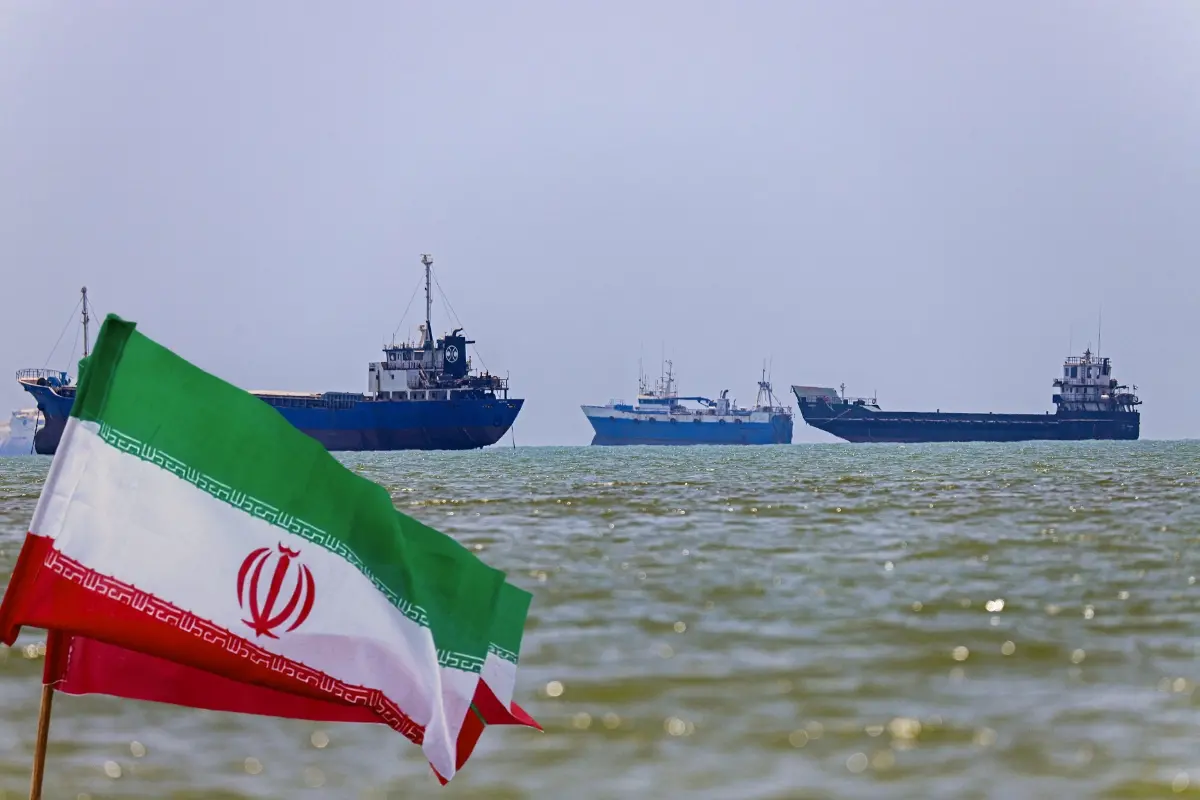
Iran and Oman are very close to an agreement on a new mechanism to manage maritime traffic through the Strait of Hormuz, Iranian Foreign Minister Seyyed Abbas Araghchi said on Saturday, in a development that could pave the way for the reopening of the strategic waterway.
The negotiations are focused on establishing a new route for ships through the Strait, with Tehran saying the traffic separation scheme previously used in the waterway is no longer acceptable.
However, while signalling progress in the talks with Oman, Araghchi said the reopening of the Strait would depend on additional conditions, including compensation from the United States over what Iran considers violations of an earlier memorandum of understanding.
“Negotiations with Oman regarding the legal mechanism and management of the Strait of Hormuz regarding determining the route of traffic through the Strait of Hormuz are underway, and we are very close to an agreement,” Araghchi said at the Iranian President's press conference with reporters.
Iran, Oman work on new Strait of Hormuz route
According to Araghchi, Iran and Oman are working on a new traffic arrangement because the route previously used for maritime traffic is no longer acceptable to Tehran.
“In the past, there was a TSS or route that the Islamic Republic considers no longer acceptable for ship traffic, and it is necessary to consider a new TSS,” he said.
The proposed arrangement involves technical and legal challenges, prompting the two countries to discuss a temporary route that could be used until a permanent traffic system is finalised.
“Due to technical and legal complexities, we are currently talking about a temporary route. Before a new route is reached, a temporary route will be considered as the basis for the main route,” Araghchi said.
Military and naval officials from Iran and Oman have already held discussions using existing maritime maps. The final route will be determined after those talks are completed, he added.
Tehran says reopening depends on additional conditions
Despite the progress in negotiations with Oman, Iran has made clear that reaching an agreement on the traffic mechanism would not by itself mean an immediate reopening of the Strait.
Araghchi said Tehran is also seeking compensation from the United States over what Iran says were violations of a 14-point memorandum of understanding signed between the two sides in June.
The Iranian foreign minister accused Washington of violating the agreement while saying Iran had complied with its provisions.
“It was the United States that violated the memorandum of understanding,” Araghchi said.
He referred to Clause 5 of the MoU, under which maritime traffic was expected to return to normal within a month. Araghchi said traffic had reached around 60 per cent of normal levels within two weeks, but alleged that the United States subsequently sought to establish new routes through the Strait despite warnings from Tehran.
He described what he called the US violation of the memorandum and attempts to undermine Iran's authority over the Strait as “absolutely unacceptable”.
US sees progress in Iran-Oman talks
Araghchi's comments came a day after a US official said progress had been made in talks between Iran and Oman over the Strait of Hormuz.
Reuters, citing the US official on condition of anonymity, reported that Washington expects an agreement between Iran and Oman soon that could allow standard commercial oil shipments through the strategic waterway to resume.
“There is progress between Oman and Iran on the strait, and we expect a deal soon,” the official was quoted as saying.
The official also said the United States would lift its blockade of Iranian ports once a deal is announced to restore commercial shipping without impediments.
With agency inputs