‘Hormuz open except….’: Iran hits back as Trump threatens strikes
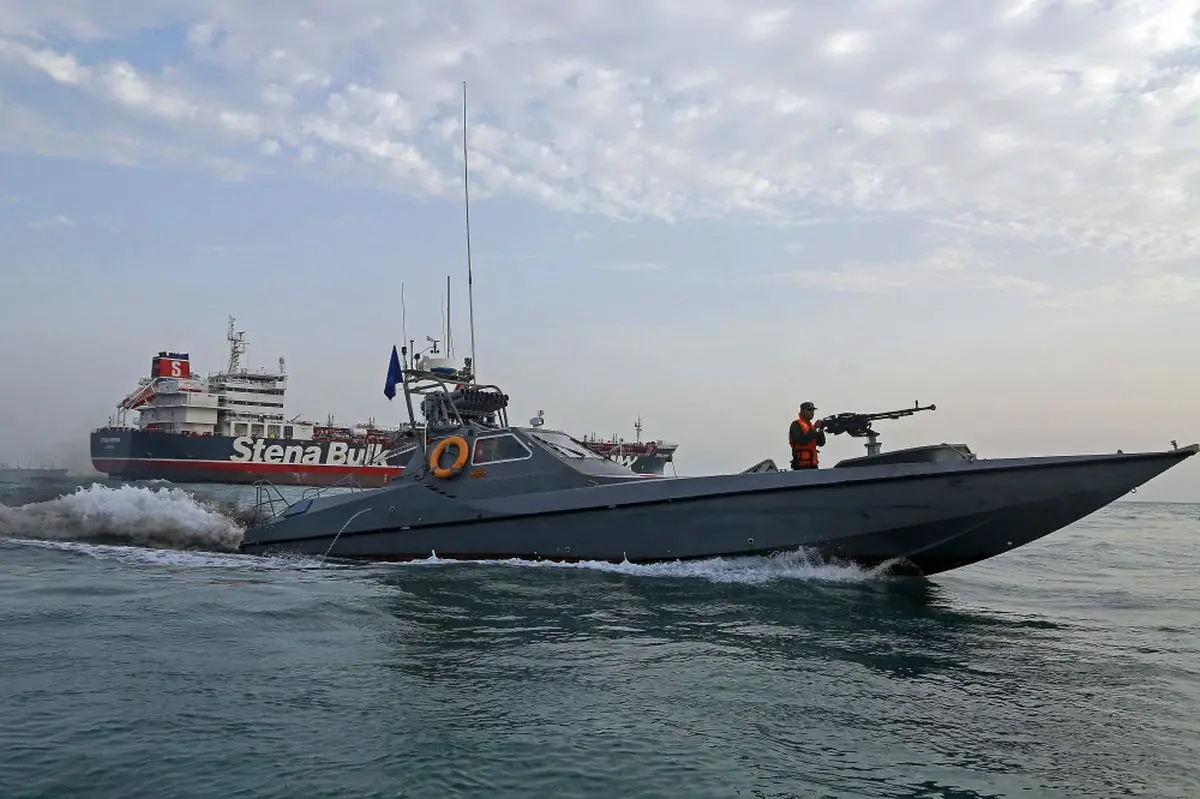
The ongoing conflict involving Iran, Israel, and the United States has entered its fourth week, with tensions intensifying over control and security of the Strait of Hormuz, a critical global oil transit route.
Fresh warnings from both Washington and Tehran have heightened fears of a broader escalation that could severely impact global energy supplies and regional stability.
The latest flashpoint came after US President Donald Trump issued a stark ultimatum to Iran, demanding that it ensure the uninterrupted flow of maritime traffic through the Strait of Hormuz within 48 hours.
The narrow waterway, located between Iran and Oman, handles nearly a quarter of the world’s seaborne oil trade, making it one of the most strategically vital chokepoints in global commerce.
“If Iran doesn’t fully open, without threat, the Strait of Hormuz within 48 hours… the United States of America will hit and obliterate their various power plants, starting with the biggest one first,” Trump said in a post on Truth Social.
Iran responded swiftly and forcefully. President Masoud Pezeshkian, in a late-night statement on X, warned that Iran would not bow to threats and made it clear that access to the Strait would be conditional.
“The Strait of Hormuz is open to all except those who violate our soil,” Pezeshkian said, adding that “threats and terror only strengthen our unity.” His remarks signal a hardening stance by Tehran and underscore the growing risk of confrontation.
The exchange of warnings follows a series of escalating attacks between Iran and Israel.
On Sunday, Israel reported that Iranian missile strikes hit Dimona, home to its key nuclear facility, and the city of Arad, injuring at least 180 people. Iran later confirmed responsibility for the strikes, describing them as retaliation for earlier attacks on its Natanz nuclear facility.
Iranian leaders have also broadened their warnings beyond the US. Parliament Speaker Mohammad Bagher Ghalibaf cautioned that if Iran’s infrastructure is targeted, Tehran would consider vital infrastructure across the region, including energy, desalination, and information technology facilities, as legitimate targets.
He warned such assets could be “irreversibly destroyed” in the event of further escalation. The rising tensions have drawn global concern, particularly over the potential disruption to energy supplies and international trade.
The Strait of Hormuz is not only critical for oil shipments but also for liquefied natural gas exports, making any instability in the region a major risk to the global economy.
India has also expressed concern over the situation. Prime Minister Narendra Modi spoke with President Pezeshkian, condemning attacks on critical infrastructure and stressing the importance of maintaining stability in the region.
He highlighted the need to safeguard freedom of navigation and ensure that key shipping routes remain open and secure.
With both sides digging in and rhetoric intensifying, diplomatic efforts appear limited, raising fears that the conflict could spiral into a wider regional war with far-reaching economic and geopolitical consequences.