Iran moves ICC over US-Israel strikes: claims 81,000+ civilian sites damaged
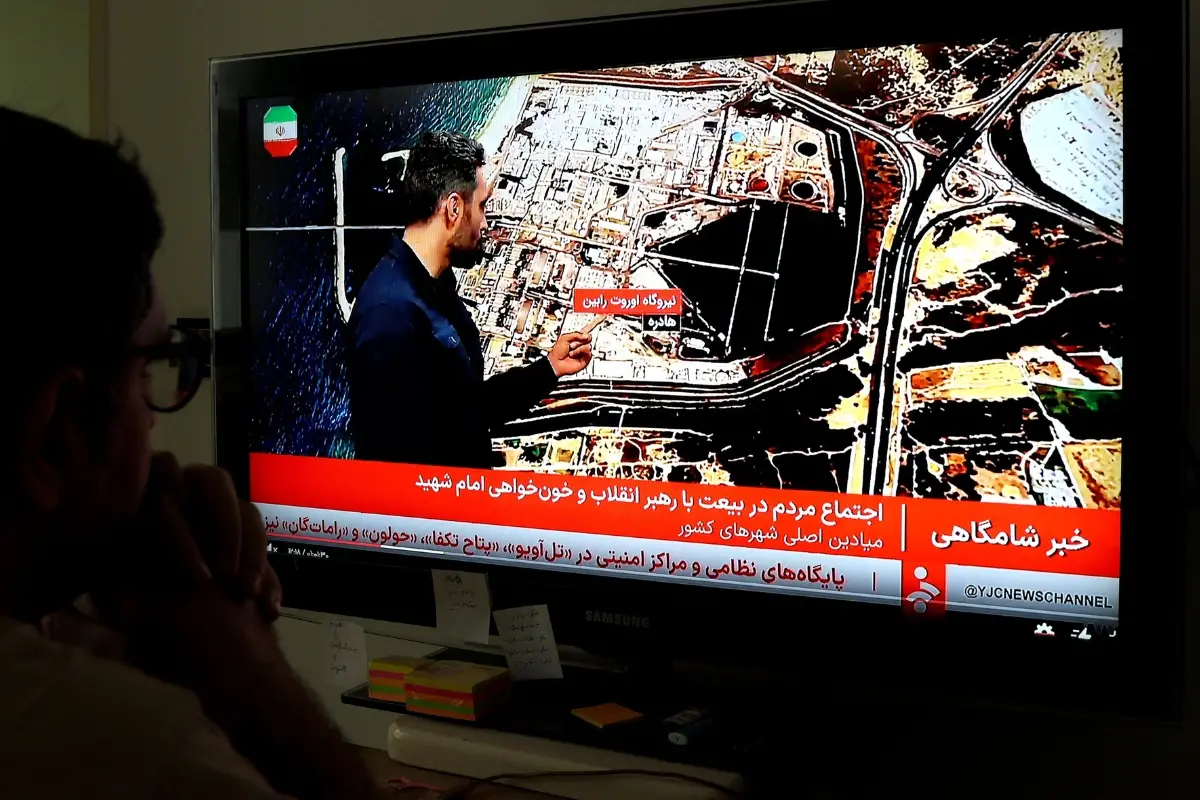
Tehran: Iran has formally approached the International Criminal Court (ICC) over what it describes as an “unprovoked war of aggression” by the United States and Israel, escalating its diplomatic response to ongoing military strikes.
According to the Iranian Red Crescent Society (IRCS), Tehran has submitted 16 official letters to the ICC and other international bodies, seeking condemnation and legal action against the alleged attacks.
Iran’s legal push
Razieh Alishvandi, Deputy Head of IRCS for International and Human Rights Affairs, said Iran is actively engaging global institutions to take legal measures. The organisation is also in regular contact with the International Federation of Red Cross and Red Crescent Societies and the International Committee of the Red Cross.
Iran has issued multiple joint statements highlighting alleged violations, including attacks on civilians, medical facilities, ambulances, and military-linked assets.
IRCS chief Pir-Hossein Kolivand reported large-scale destruction of civilian infrastructure, stating that over 81,000 civilian units have been damaged. This includes:
- More than 61,000 homes
- Around 19,000 commercial units
- Hundreds of schools, medical centres, and emergency facilities
- In Tehran alone, thousands of residential and commercial properties, along with health centres and schools, were reportedly affected.
Iranian authorities have described these strikes as violations of international humanitarian law and the Geneva Convention, emphasising that attacks on such facilities directly impact civilian life and emergency response systems.
Conflict escalation and response
The current phase of the conflict reportedly began on February 28, marking a renewed escalation in tensions. Iran has responded with retaliatory missile and drone strikes targeting Israeli-controlled areas and US-linked military assets in the region.
Iran’s move to approach the ICC signals an effort to shift part of the conflict into the legal and diplomatic arena. While the court’s jurisdiction and response remain to be seen, the development adds an international legal dimension to an already volatile regional conflict.
The situation continues to evolve, with humanitarian concerns rising amid ongoing military actions and reported infrastructure damage.