No entry! Iran turns back Pakistan-bound vessel as tensions rise in Strait of Hormuz
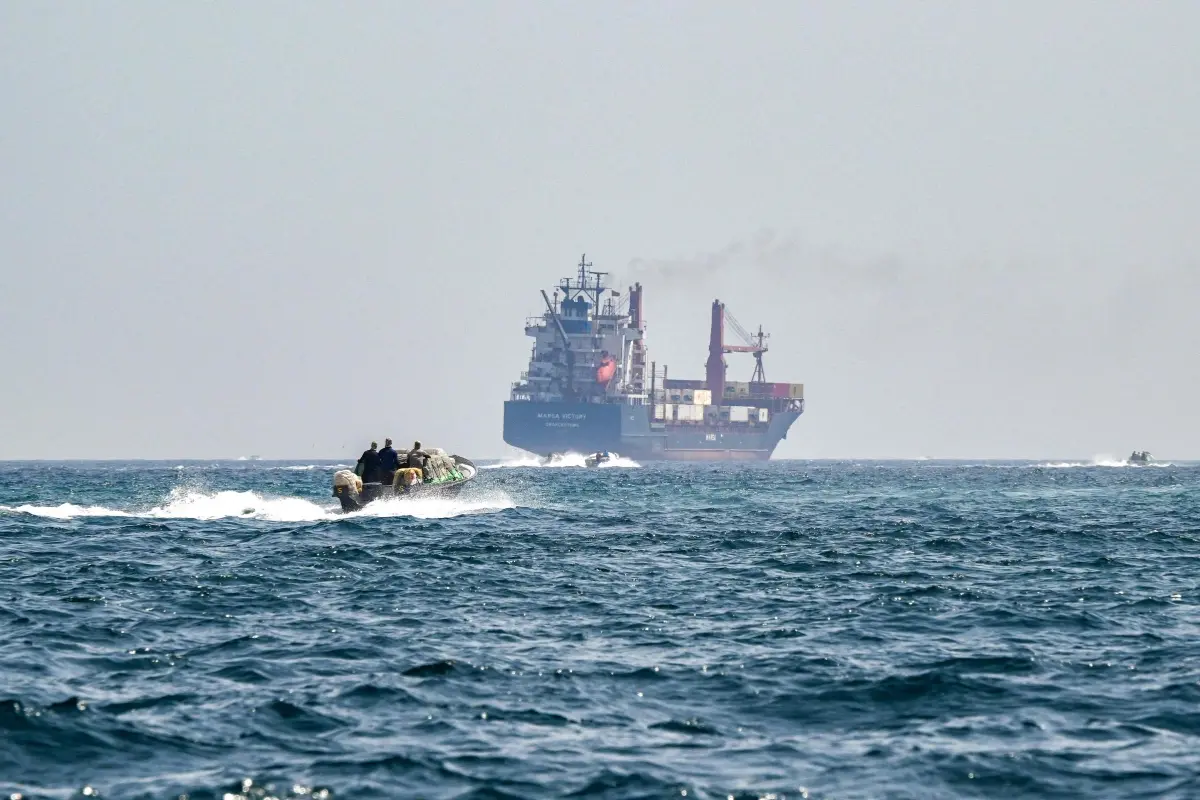
Tehran: Tensions in West Asia continue to intensify as Iran intercepted and turned back a Pakistan-bound container vessel attempting to pass through the Strait of Hormuz, citing a lack of required permissions. The move highlights Tehran’s growing assertiveness over one of the world’s most strategically important maritime corridors, through which a significant portion of global oil supply passes.
The incident comes at a time when the United States, under Donald Trump, is attempting to open diplomatic channels with Iran. A reported 15-point ceasefire proposal has been conveyed to Tehran through Pakistani intermediaries, with Islamabad also offering to host talks. However, Iran has denied that any negotiations are currently underway, underscoring deep mistrust between the two sides.
Even as diplomatic efforts are being explored, the US is continuing to expand its military presence in the region. Thousands of additional troops, including units from the 82nd Airborne Division and Marine Expeditionary Units, are being deployed, adding to the roughly 50,000 personnel already stationed in the Middle East. The build-up signals that Washington is maintaining military readiness while keeping diplomatic options open.
On the battlefield, hostilities remain active. Israel has confirmed strikes on Iranian military-linked facilities in Tehran, including a naval missile production site tied to the defence ministry. These operations are aimed at weakening Iran’s long-range strike capabilities.
Meanwhile, the conflict is spilling across borders. In Iraq, fresh airstrikes targeted bases linked to the Popular Mobilisation Forces, a paramilitary network with Iran-backed factions. The Iraqi government has authorised retaliation, raising the risk of further regional escalation.
Pakistan has stepped up diplomatic engagement, with Prime Minister Shehbaz Sharif briefing Saudi Crown Prince Mohammed bin Salman on efforts to de-escalate tensions. Islamabad has positioned itself as a potential mediator, emphasising dialogue as the only viable solution.
The broader geopolitical impact is also becoming evident. Disruptions in the Strait of Hormuz have begun affecting global shipping routes and pushing up fuel prices, triggering concerns about economic stability worldwide.
The crisis has also drawn reactions from other global actors. North Korean leader Kim Jong Un has cited the conflict as justification for strengthening his country’s nuclear deterrence, warning that only military power can ensure national security.
Despite backchannel efforts, major obstacles remain to any ceasefire. Disagreements over Iran’s missile and nuclear programmes persist, and ongoing Israeli strikes make negotiations politically and strategically difficult. With both military escalation and fragile diplomacy unfolding simultaneously, the situation remains volatile and unpredictable.