World collectively needs to hike climate finance: India at COP30
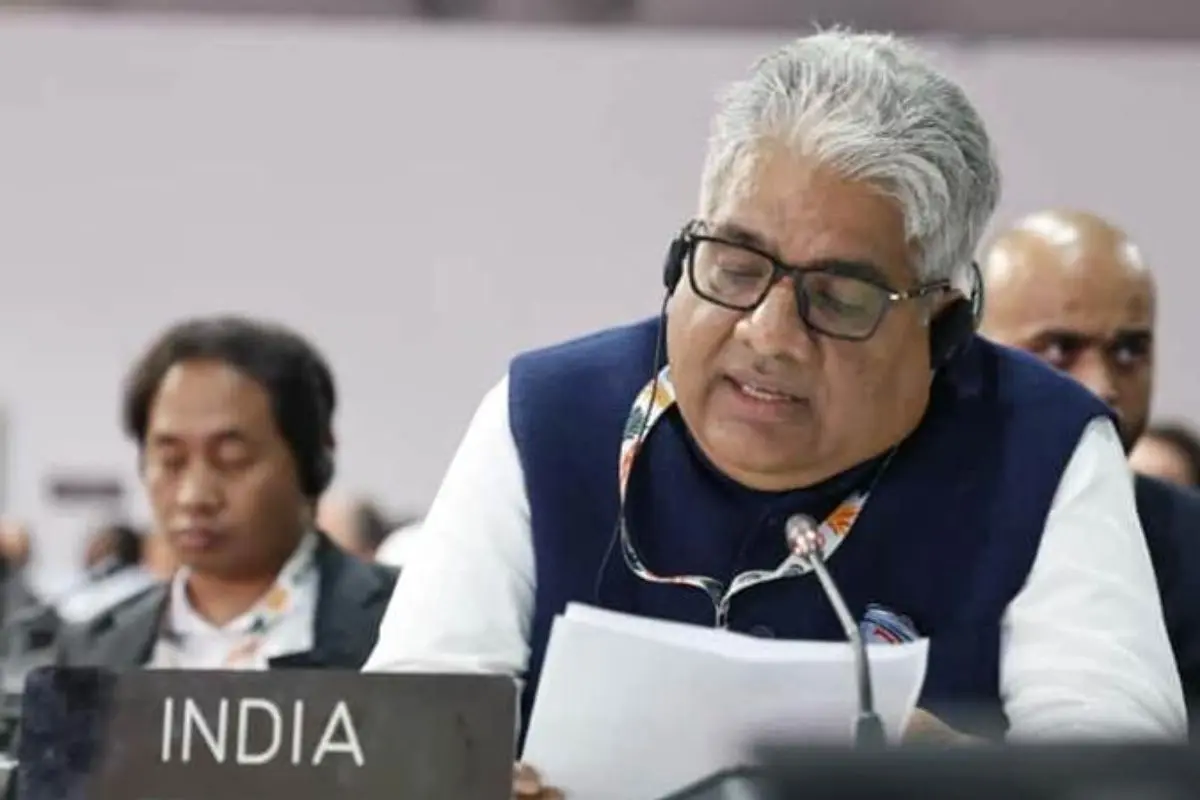
Belem: India remains firmly committed to domestic climate adaptation but urgently needs a significant scale-up in global adaptation finance as the current gap widens, Environment Minister Bhupender Yadav said at the UN COP30 summit in Brazil.
Speaking at the Baku High-Level Dialogue on Adaptation on Thursday, Yadav said COP30 must send a strong political signal that “adaptation is not an optional add-on but an essential investment.”
He warned that developing nations are facing a rapidly growing shortfall in funding:
“The 2025 Adaptation Gap Report estimates that developing countries will need between USD 310–365 billion annually by 2035, while current flows are around USD 26 billion only.”
Yadav also cautioned that the Glasgow Climate Pact target of doubling public adaptation finance to around USD 40 billion by 2025 is unlikely to be met at the current pace.
ALSO READ | COP30 venue in Belem reopens after fire halts talks
Global Effort Needed
Calling for transformative action, the minister said it would take “nothing less than a global collective effort” to achieve the Baku to Belem Roadmap goal of USD 1.3 trillion in climate finance.
He highlighted that the Paris Agreement—marking its 10th anniversary this year—requires strong support for developing countries, as outlined in Article 7.6.
With negotiations entering their final phase, delegates from more than 190 countries are working to finalise a draft proposal put forward by host nation Brazil.
India’s Domestic Progress
Despite the international shortfall, Yadav reaffirmed India’s domestic commitment, noting that adaptation spending has risen sharply:
“As a percentage of GDP, India’s adaptation-relevant expenditure increased by over 150 per cent over seven years from 2016–17 to 2022–23.”
India has also improved its capacity to access international climate finance through readiness programmes and support for accredited entities.
Barriers to Finance
Yadav pointed to several hurdles that hinder finance access for developing nations, including:
- slow and complex processes within multilateral funds
- high transaction costs
- limited institutional capacity
- unclear revenue streams
- inadequate risk-sharing tools restricting private finance
He urged global partners to streamline financial mechanisms, reduce transaction costs and strengthen readiness support.
Looking ahead to COP31, Yadav said: “Indicators should remain voluntary, non-prescriptive and subject to national interpretation, and frameworks must avoid creating additional reporting burdens and respect diverse national contexts.”
The minister called for an enhanced readiness support, streamlined access to financial mechanisms and reduction in transaction costs for developing countries.
“A stronger enabling environment would help scale locally proven solutions, integrate risk assessment into planning, and accelerate investments in agriculture, water security, resilient infrastructure and ecosystem-based approaches.
“Adaptation Finance must improve in both quantity and quality and must be provided through grants and not debt-creating instruments,” he added.