IDF claims killing Hezbollah special forces commander in Lebanon strike
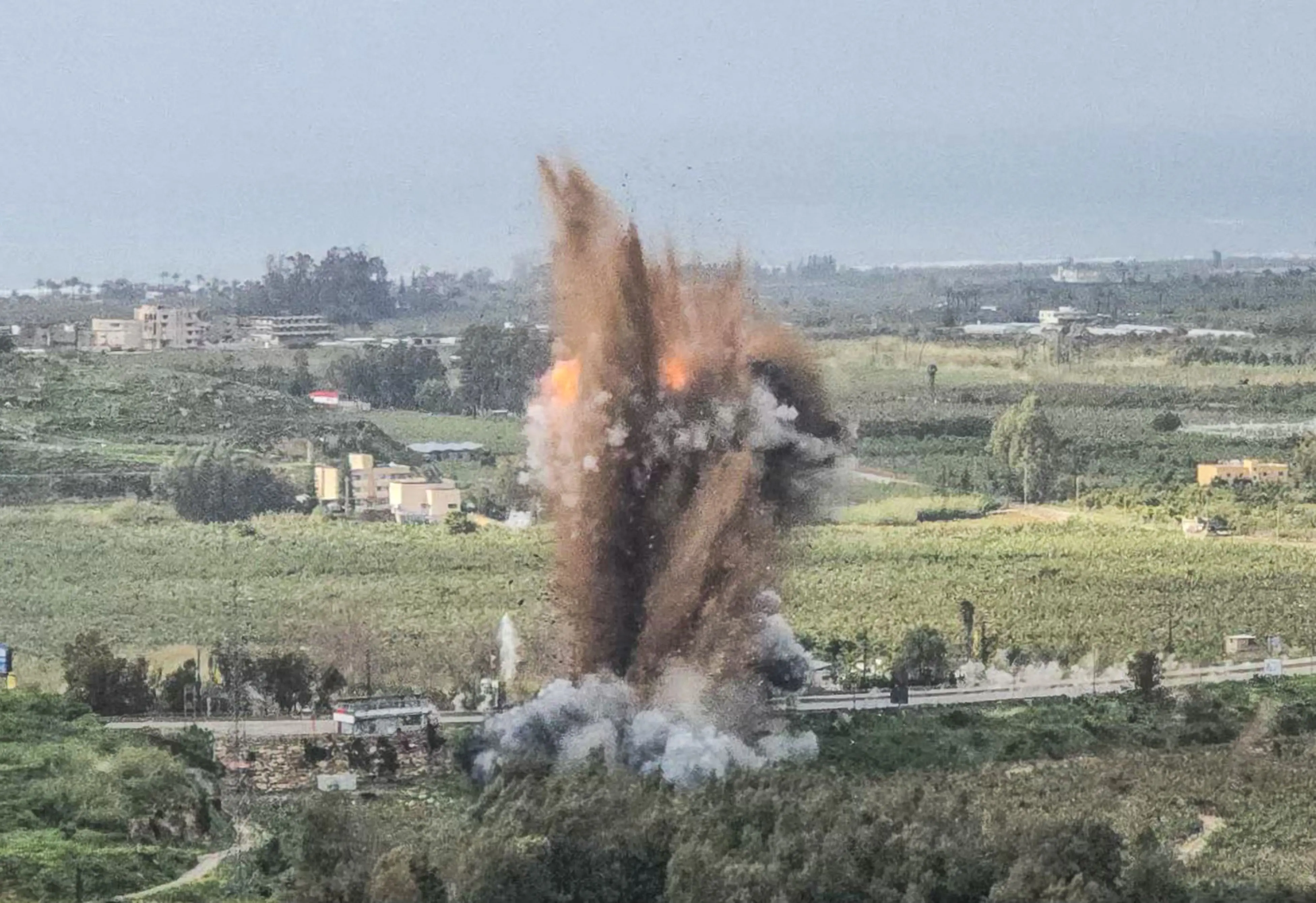
Israel: The Israeli military on Sunday said it had intensified its operations against Hezbollah in southern Lebanon, claiming to have eliminated a senior commander and struck key infrastructure used by the group.
According to the Israel Defence Forces (IDF), Abu Khalil Barji, Commander of the Special Forces in Hezbollah’s Radwan Force, along with 2 others, were eliminated by them in the area of Majdal Selm in southern Lebanon.
“Barji served for years as a commander in the Radwan Force and recently commanded its special forces, which were mainly responsible for attacking IDF troops. Additionally, the IDF struck Hezbollah terrorist infrastructure in various areas across southern Lebanon,” the IDF wrote in X.
The IDF also said it has been targeting strategic infrastructure, including bridges over the Litani River, which it alleges are being used by Hezbollah to transport fighters and weapons into southern Lebanon. Israeli Defence Minister Israel Katz expanded the list of targets to include all such crossings, calling them critical to the group’s operations.
Among them was the Qasmiyeh bridge near the coastal city of Tyre, which was hit shortly after a warning was issued by military spokesperson Avichay Adraee.
Katz accused Hezbollah of exploiting these routes to reinforce positions near Israel’s northern border and ordered the military to accelerate operations, including the destruction of structures in border areas to “eliminate threats to Israeli communities.”
The escalation follows a fresh round of hostilities earlier this month, when Hezbollah launched rockets into Israel, prompting a large-scale Israeli offensive. Lebanese authorities say the conflict has killed over 1,000 people and displaced more than one million.
Hezbollah, in turn, has continued its attacks, firing rockets and drones into Israel. The group also claimed responsibility for a strike that killed a man in northern Israel on Sunday.
The broader regional situation remains volatile, with Iran stepping up pressure by effectively closing the Strait of Hormuz, a vital global oil route. The disruption has halted most tanker traffic, forcing major oil producers to cut output and raising concerns over global energy supplies.
The blockade has added strain on the United States and its allies in Europe and Asia, which depend heavily on Persian Gulf oil. In response to rising energy pressures, Washington has eased some sanctions on Iranian oil shipments at sea.