How Nepal got here: A timeline from Monarchy to Oli’s resignation
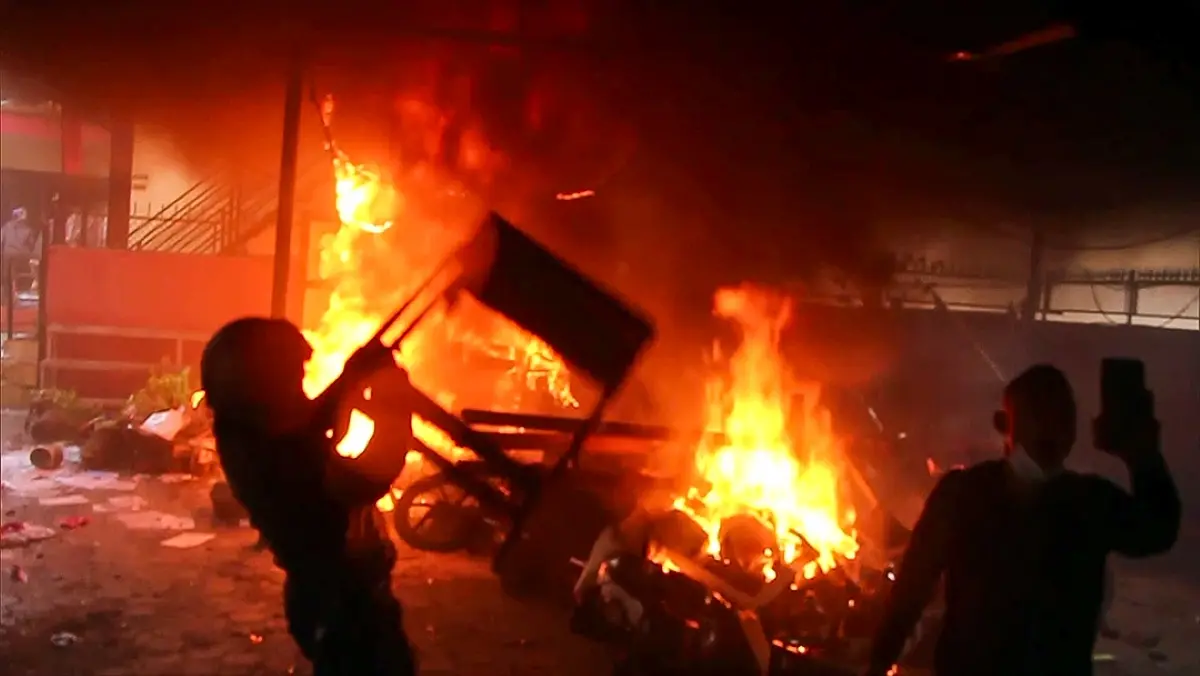
Nepal’s political landscape has been marked by instability and upheaval, with the country having seen 14 governments since 2008, none of which completed a full five-year term.
The resignation of Prime Minister KP Sharma Oli on Tuesday amid violent nationwide anti-corruption protests adds a new chapter to its tumultuous history.
1951: End of monarchical control
Before 1951, Nepal was ruled by monarchs from various dynasties, including the Ranas, who governed through a system where the prime minister was hereditary.
The Ranas were overthrown in 1951 by ascendant pro-democracy movements, and a parliamentary democracy was established.
1961-1990: Panchayat system and popular uprising
In 1961, King Mahendra banned political parties and imposed a centralised system of government known as "Panchayat," consolidating royal power. Public frustration grew over the decades, peaking in 1990 when political parties launched demonstrations to restore multi-party democracy. The campaign, popularly known as the "People's Movement," compelled King Birendra to lift the ban on political parties, bringing an end to the Panchayat system.
1996: Maoist insurgency and civil war
In 1996, Nepal’s left-wing Maoists launched a violent campaign to replace the royal parliamentary system with a people's republic. The decade-long civil war that followed resulted in more than 17,000 deaths.
2006-2015: Abolition of monarchy and new constitution
Civilians protested against the monarchy in 2006, culminating in the abolition of the monarchy in 2008. King Gyanendra, the last king, now lives as a commoner in Kathmandu. In 2015, Nepal adopted a new constitution, solidifying its status as a federal democratic republic.
2015-present: KP Sharma Oli’s tenure
KP Sharma Oli first assumed the office of prime minister in October 2015, serving for about a year. He was elected again in 2018 and 2021, and for a fourth term in 2024. His recent resignation amid mass anti-corruption protests highlights the ongoing challenges in Nepal’s political system.
(With agency inputs)