Houthis warn Trump against Yemen intervention: What happens if US backs Saudi Arabia?
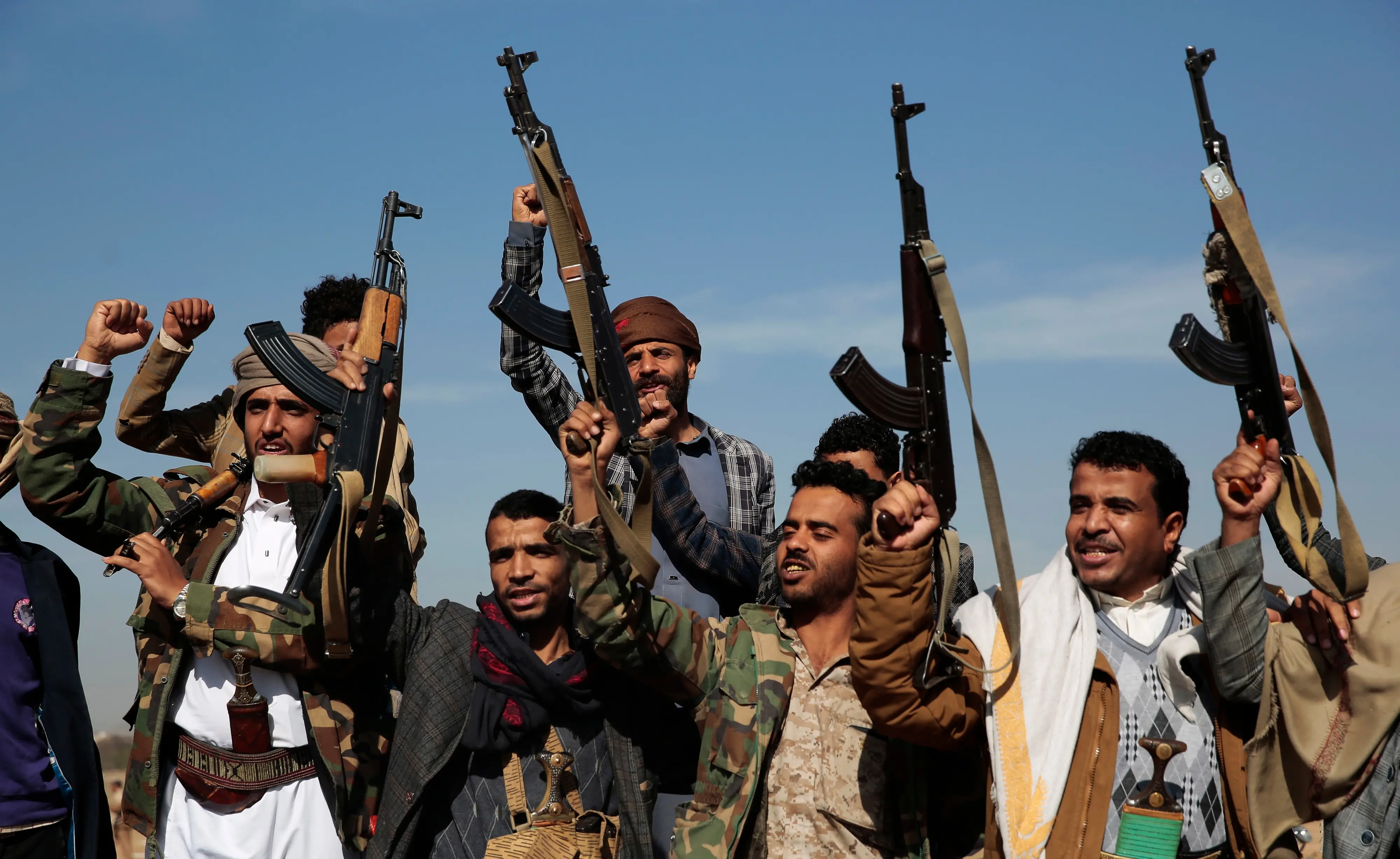
Yemen: The Houthis have issued a fresh warning to the United States, saying American interests could become targets if Washington intervenes in Yemen or attempts to take control of the Bab el-Mandeb Strait.
Houthi military adviser Abed Mohammed al-Thawr said US military involvement in support of Saudi Arabia would cross what he described as a “red line”. He also warned that American vessels could face restrictions if Washington became directly involved in the conflict.
The warning comes just days after the Houthis had reportedly indicated that US vessels would not be targeted. The change in tone comes as fighting between the Houthis and Saudi-backed Yemeni government forces intensifies along Yemen's Red Sea coast.
Why Bab el-Mandeb matters
The Bab el-Mandeb Strait connects the Red Sea with the Gulf of Aden and the wider Indian Ocean. It is an important route for international shipping and the movement of energy supplies.
The Houthis have expanded their presence along Yemen's Red Sea coast, increasing concerns over the security of the waterway.
Any prolonged disruption in the area could add pressure to global shipping and energy markets, particularly because the region is already dealing with disruption around the Strait of Hormuz.
Saudi Arabia seeks US support
Saudi Arabia is facing renewed attacks from the Houthis as fighting has intensified after a period of relative calm following the 2022 truce.
The Houthis have launched missile and drone attacks towards Saudi territory, including Riyadh. Saudi forces have responded with airstrikes against Houthi positions in Yemen.
According to reports cited by AFP, Saudi Crown Prince Mohammed bin Salman has asked US President Donald Trump for assistance, while Yemen's Saudi-backed government has also sought American support.
Trump has not committed US forces to a direct military campaign against the Houthis.
The Houthi warning raises the possibility that any direct American involvement could widen the conflict beyond Yemen.
Thawr said the group would consider American interests in the region potential targets if Washington provided air or military support to Saudi Arabia. He also warned against any attempt by the US to control the Bab el-Mandeb.
The comments underline the risks surrounding the strategically important waterway at a time when tensions are already high across the region.
Iran's role
The Houthis remain closely aligned with Iran, although Thawr rejected the suggestion that Tehran directly controls the group's military decisions.
He described Iran as an ally but said the Houthis make their own decisions.
Iran's relationship with the Houthis has become an important part of the wider regional conflict, particularly as tensions between Tehran and Washington continue.
Saudi Arabia has also accused the Houthis of targeting its cities and vital infrastructure.
King Salman has described the Houthi movement as a terrorist militia and accused it of targeting the holy city of Mecca. The Houthis have denied allegations that they targeted Mecca.
Saudi authorities have also reported intercepting Houthi missiles and drones aimed at Saudi territory, including attacks directed towards Riyadh.
The escalation has raised concerns about the security of Saudi energy infrastructure and major cities.
Pakistan calls for de-escalation
Former Pakistani foreign secretary Aizaz Chaudhry has said Pakistan would assist Saudi Arabia if Riyadh requested help against Houthi attacks, but argued that expanding the conflict would not serve Saudi Arabia's interests.
Chaudhry said the fighting should be brought to an end through dialogue involving Saudi Arabia and Iran. He also suggested that China could play a role in facilitating discussions between the two countries.
Pakistan's position comes as regional security arrangements have also gained importance, following the signing of the Mecca Joint Defence Agreement by Saudi Arabia, Türkiye and Pakistan.