‘Go to hell’: Hamas leader explodes at Arab journalist in on-air meltdown | WATCH
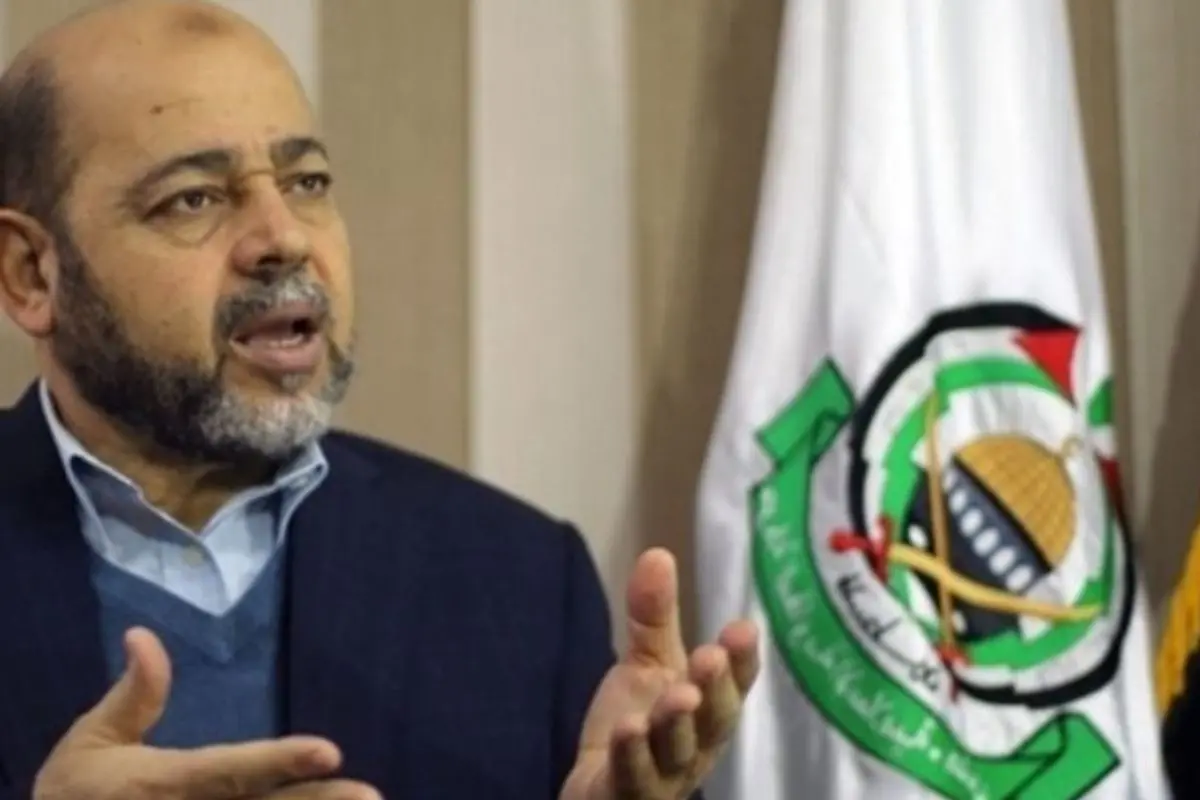
A senior Hamas leader lost his cool during a live television interview, sparking intense debate across the Arab world.
Hamas co-founder Abu Marzouk lashed out at an interviewer on Pan-Arabic Alghad TV on October 10, 2025, after being pressed about the group’s role in Gaza and its controversial actions on October 7, 2023.
The exchange turned hostile when the anchor asked whether Hamas’s attacks had brought Palestinians closer to liberation or merely deepened Gaza’s suffering. Marzouk, visibly agitated, snapped at the journalist, shouting, “Show some respect for yourself… go to hell!” before abruptly ending the conversation.
The clip quickly went viral across Arab social media platforms, drawing widespread reactions and criticism. Viewers and commentators described the outburst as a rare public display of frustration from within Hamas’s leadership ranks amid growing internal and external pressure.
Several Arab analysts suggested the heated reaction reflected mounting disillusionment among Palestinians and Arab audiences toward Hamas’s leadership, which many now view as isolated and defensive.
Political observers pointed out that such moments reveal deep divisions within the group and a crisis of legitimacy that has intensified since the devastating war in Gaza.
Fatah spokesperson Jamal Nazzal condemned Marzouk’s behaviour, calling the exchange a “disgrace” that “exposes the moral and political bankruptcy of a crumbling group that has lost touch with its people.”
The Alghad TV host later said he was “taken aback” by the reaction, insisting that his question was “fair and journalistic.” Despite the backlash, Marzouk has not issued an apology or clarification.
The fiery confrontation has reignited debate across the Middle East about Hamas’s political direction and its deteriorating image among Arab nations.
Critics say Marzouk’s outburst underscores the group’s growing insecurity and disconnect from public sentiment, while supporters argue that the line of questioning was intended to provoke.