H-1B visa denial rate falls in 2024, will Trump’s presidency reverse progress?
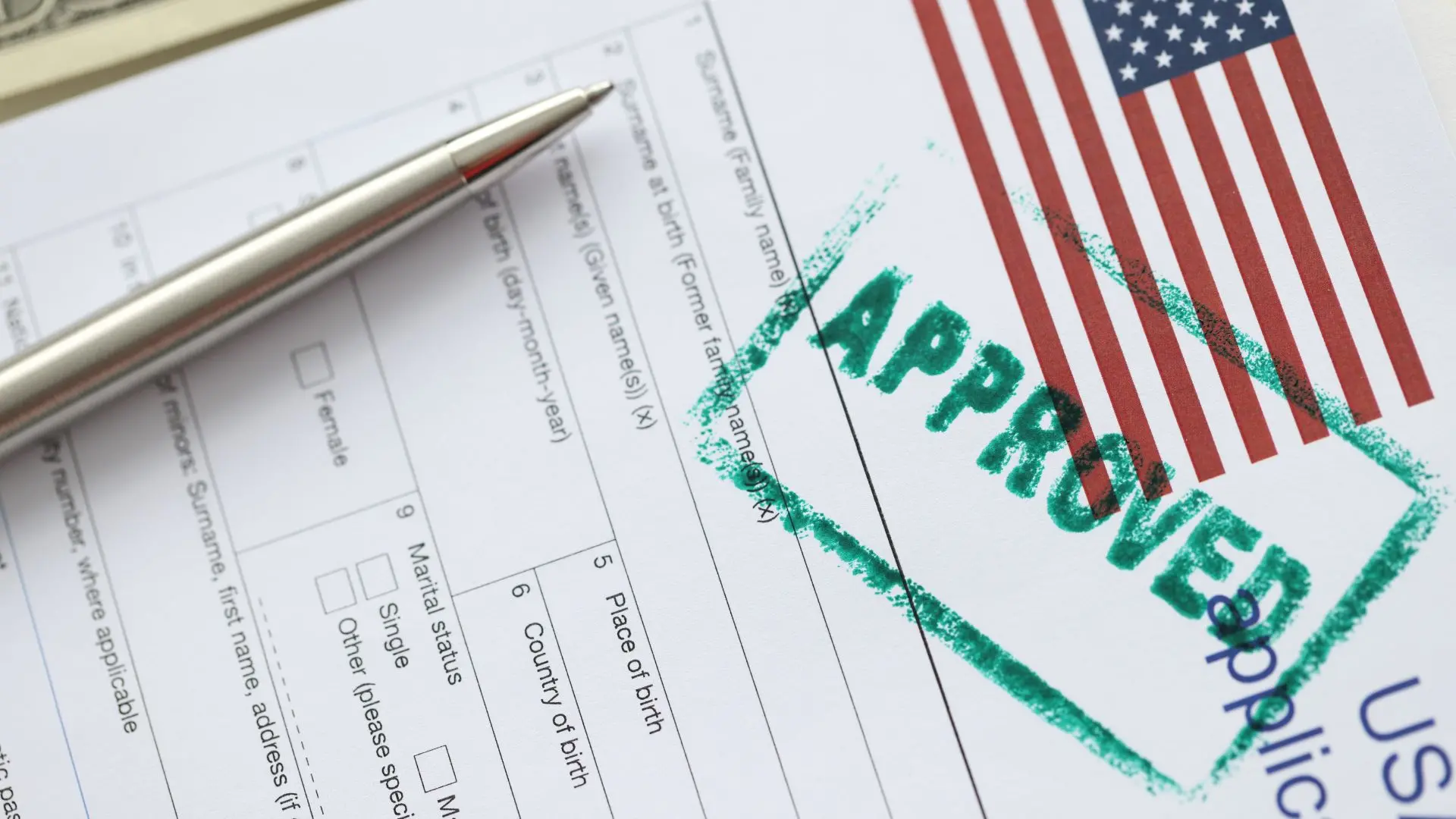
The H-1B visa program, widely sought after by skilled foreign professionals looking to work in the United States, has recently seen a notable decline in denial rates for initial employment. However, with Donald Trump set to take office again in January, there may be a shift in policy that could increase these rates.
Decline in denial rates for initial employment
In fiscal year 2024, the denial rate for H-1B visa petitions for initial employment was just 2.5 percent, a decrease from 3.5 percent in FY 2023. This continues a trend that began during President Joe Biden's administration. In FY 2022, the rate was 2.2 percent, down from 4 percent in FY 2021.
This trend was highlighted in a recent study by the National Foundation for American Policy (NFAP) titled 'H-1B Petitions and Denial Rates in FY 2024'.
Potential impact of Trump administration on H-1B Visa policies
Despite the current decline in denial rates, the upcoming change in leadership could reverse this trend. Under President Trump’s first term, H-1B visa denial rates saw a sharp increase, peaking at 30 percent in FY 2020. Trump's administration was known for imposing stricter policies on immigration, including increased scrutiny of H-1B visa petitions. In FY 2015, the denial rate was just 6 percent, but it rose to 24 percent by FY 2018, and to 30 percent by FY 2020.
With Trump set to return to office, many expect that similar restrictions could be reintroduced, leading to a rise in H-1B visa denial rates once again.
H-1B Visa program crucial for US employers
The H-1B visa program remains essential for many US employers, especially those in technology, healthcare, and other specialised industries. In FY 2024, over 30,000 employers had at least one H-1B petition approved for initial employment, with the majority coming from companies filing fewer than 20 applications.
California, Texas, New York, New Jersey, and Virginia had the most H-1B approvals in FY 2024, with employers in these states accounting for the highest number of petitions for initial employment.
Changes in H-1B sponsorships by major firms
While the overall approval rate for H-1B petitions has declined, many top US companies have reduced their sponsorships for H-1B visas. In FY 2024, companies like Amazon, Infosys, and Tata Consultancy Services (TCS) saw a decrease in the number of approved petitions compared to previous years.
Notably, Tesla, owned by Elon Musk, saw a significant increase in H-1B approvals, reaching 742 petitions in FY 2024, up from 328 in FY 2023. This rise reflects the company's need for skilled workers in areas like engineering, software, and supply management.
H-1B Visa holders: Key to US workforce
H-1B visa holders are mostly from India, which continues to dominate the list of countries benefiting from this program. In FY 2023, Indian nationals accounted for over 72 percent of all H-1B visas issued, with China coming in second at 11.7 percent.
Despite claims that H-1B workers are “cheap labor,” studies show that these visa holders are paid well, with an average salary of $132,000 in computer-related jobs. This is similar to or higher than the wages of comparable US workers. The US unemployment rate in computer and mathematical occupations was just 2.5 percent in November 2024, highlighting the demand for skilled professionals in these fields.