Gaza awaits Rafah crossing reopening, its vital link to the outside world
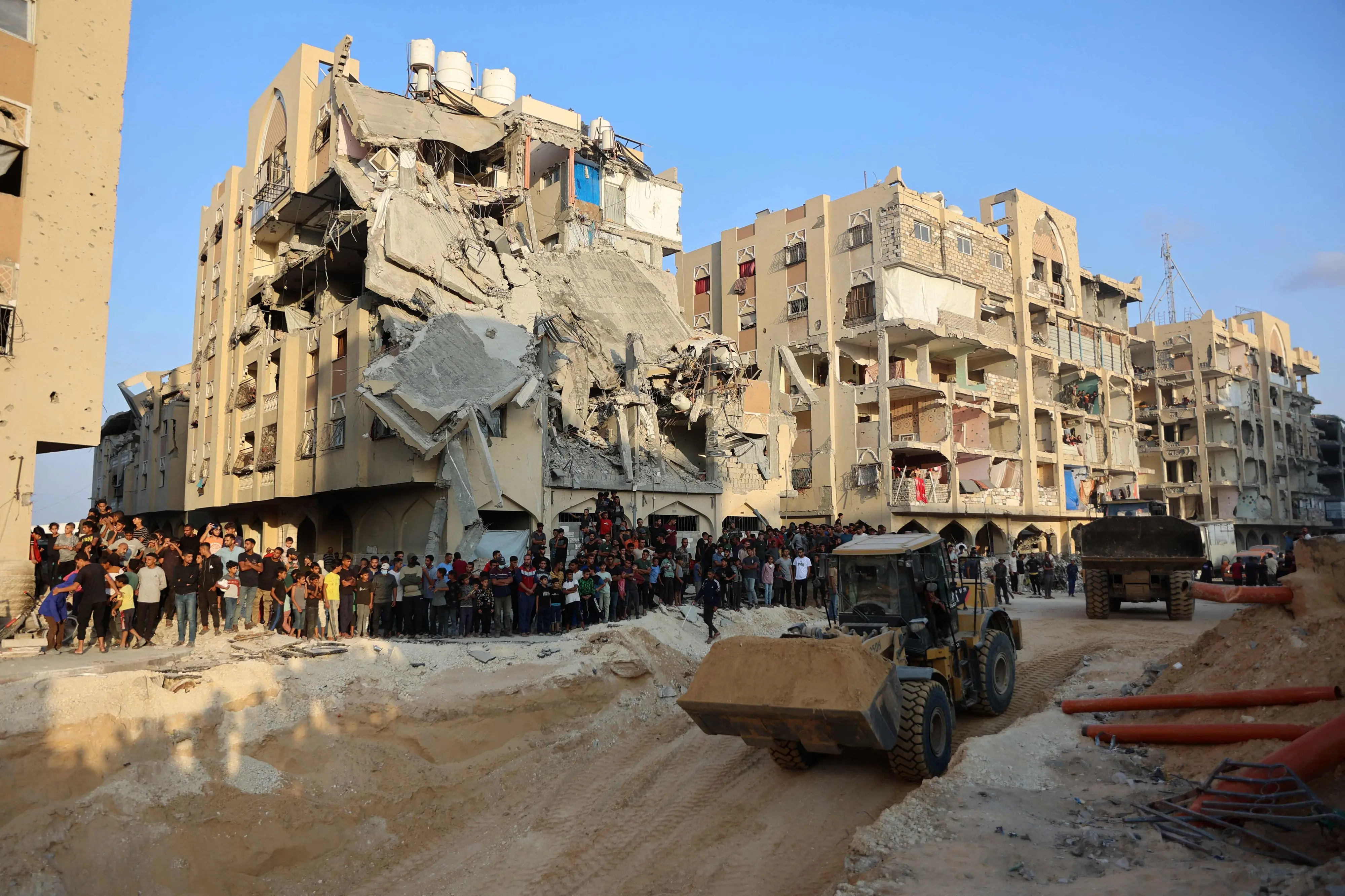
Gaza: The Rafah crossing between Gaza and Egypt is set to reopen, likely on Sunday, offering a crucial lifeline for Palestinians amid widespread destruction, famine, and fuel shortages in the territory.
The crossing is the only route linking Gaza directly with a neighbouring country, while other border points remain under Israeli control.
Before the war, Rafah handled both passenger travel and goods transport, supporting Gaza’s economy and connectivity. After the Hamas-led attacks on Israel in October 2023 and Israel’s subsequent offensive, the crossing was largely closed, allowing only occasional medical evacuations.
A reopening would facilitate the delivery of essential aid, including food, medicine, fuel, and tents, while also enabling Gazans to access medical care and travel internationally. United Nations aid chief Tom Fletcher emphasised the need for a massive influx of aid, hoping trucks would flow as part of the peace deal.
Past closures have severely impacted families dependent on the crossing for survival and trade. Analysts stress that the Rafah crossing should be primarily managed by Palestinians, with international support from the UN or EU, and without Israeli veto over aid and goods.
Recent reports indicate that aid shipments are beginning to move through Egyptian checkpoints, though delays remain due to Israeli security inspections. Repairs to the Gaza side of Rafah are ongoing, and future operations will depend on agreements following the ceasefire, which excludes Hamas from governance.
Gaza, home to roughly 2.3 million Palestinians, has relied heavily on the Rafah crossing to access essential goods and maintain trade links with Egypt. During the war, the crossing was damaged, further isolating the population.
On Wednesday, 400 truckloads of aid moved through the Egyptian side toward Gaza, although it is unclear if all shipments reached those in need due to security inspections. Humanitarian experts stress the crossing should operate under Palestinian authority, supported by international agencies to ensure transparency and efficiency.
Once reopened, the Rafah crossing could restore economic activity, enabling the export of goods such as Palestinian olive oil and reopening travel opportunities for Gazans with family abroad. The European Union has offered to redeploy its humanitarian mission to assist operations if the situation remains secure.
(With AP inputs)